Category: News

  • Solar Power and FM Fun

    Solar Power and FM Fun

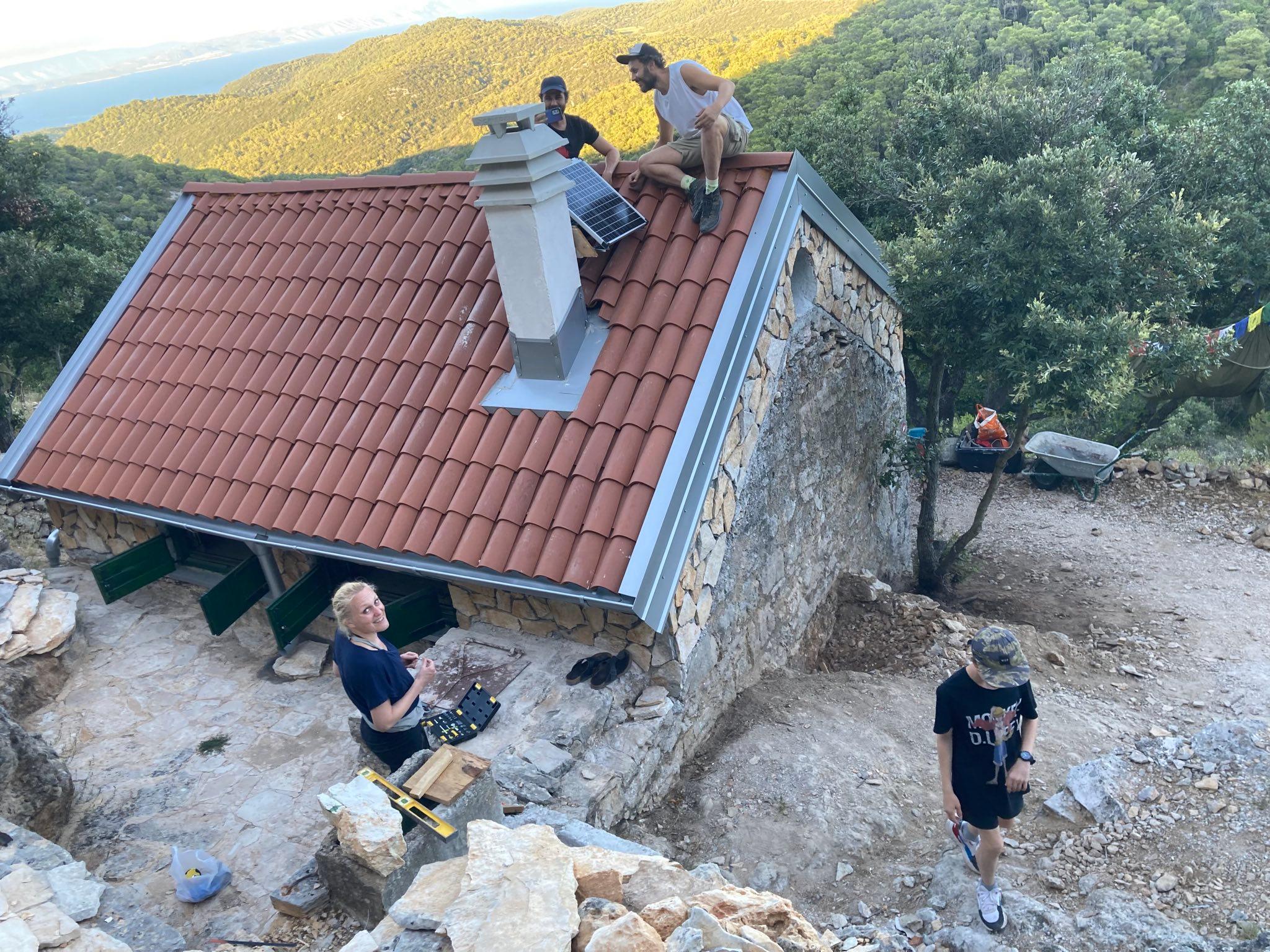
    The newest addition to ISSA school is a solar panel, generously donated and installed by Selena Savić and Gordan Savičić (with a little help from !Mediengruppe Bitnik). We installed the panel on the roof, facing due south, at an all-year optimal angle. The panel now feeds a battery, which stores the energy and extends the availability of power into the night. The solar panel is a great addition to the off-grid school: It gives us basic power capacities for charging devices from laptops to soldering irons, amps and lighting.

    Pirate Radio ISSA

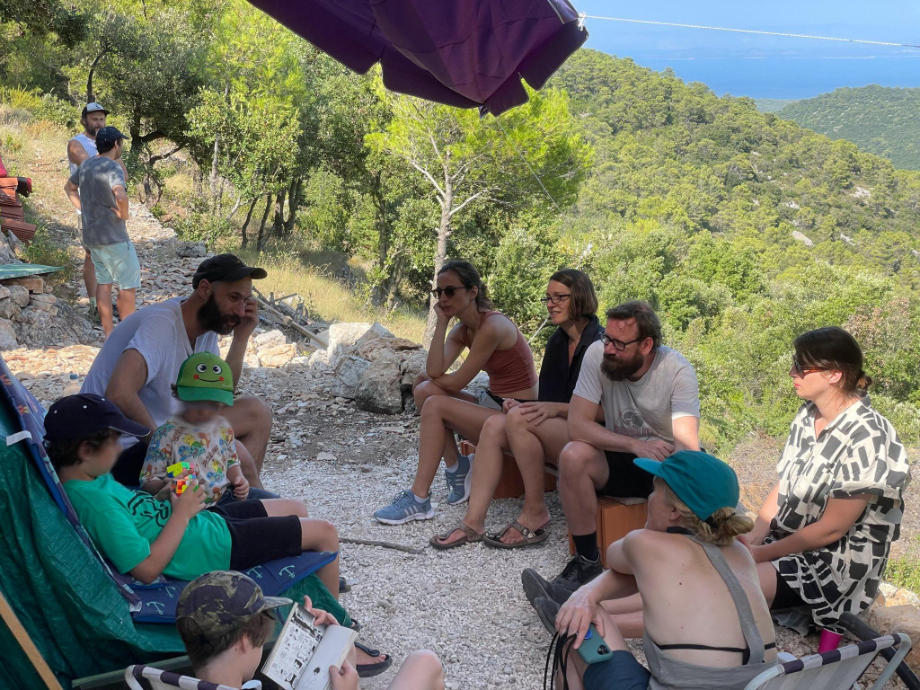
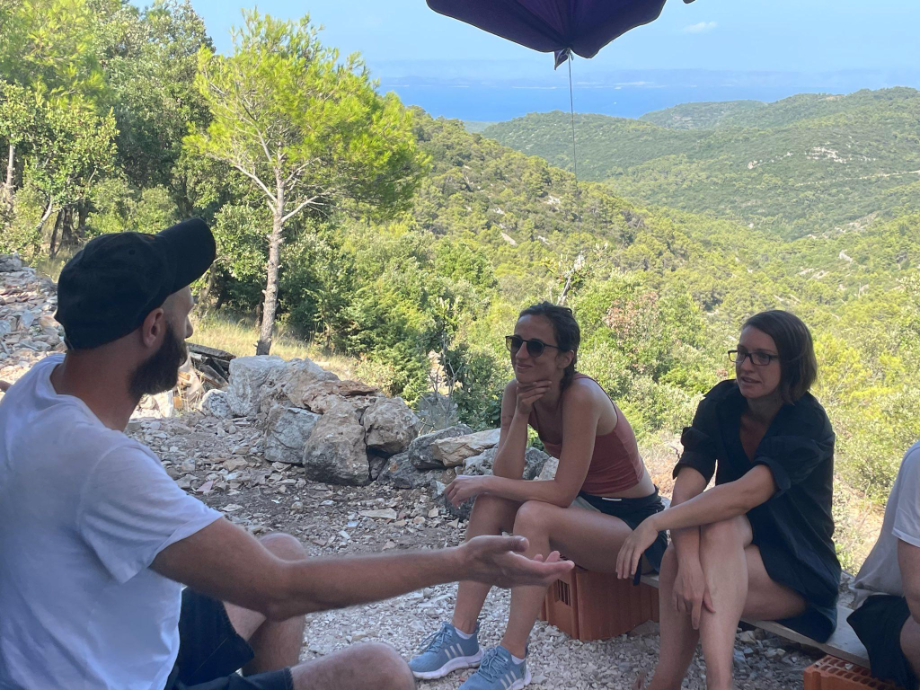
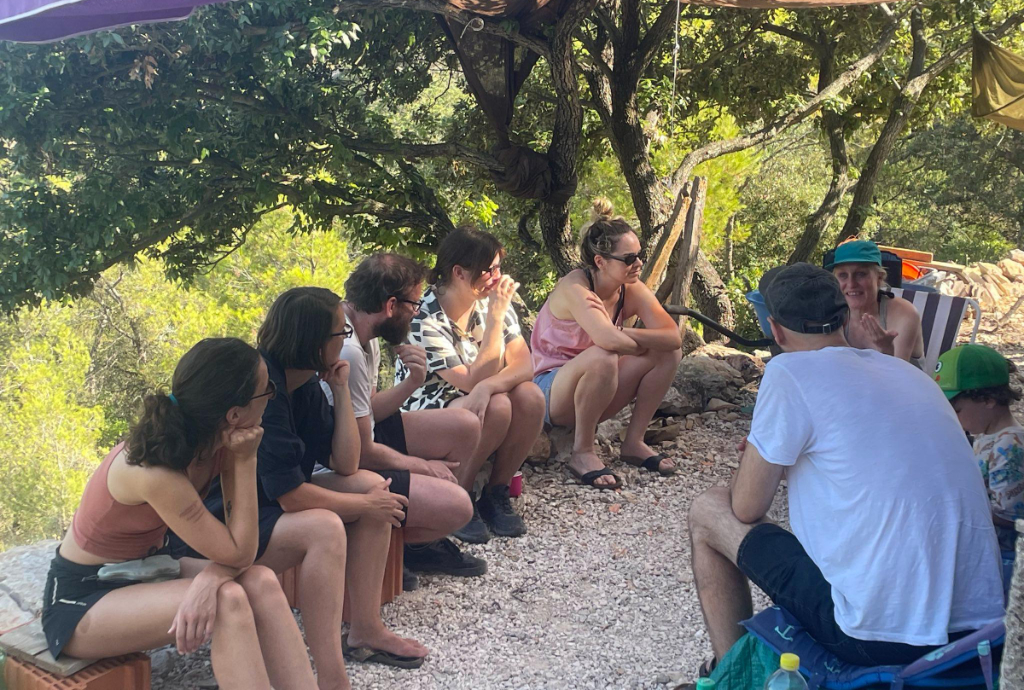
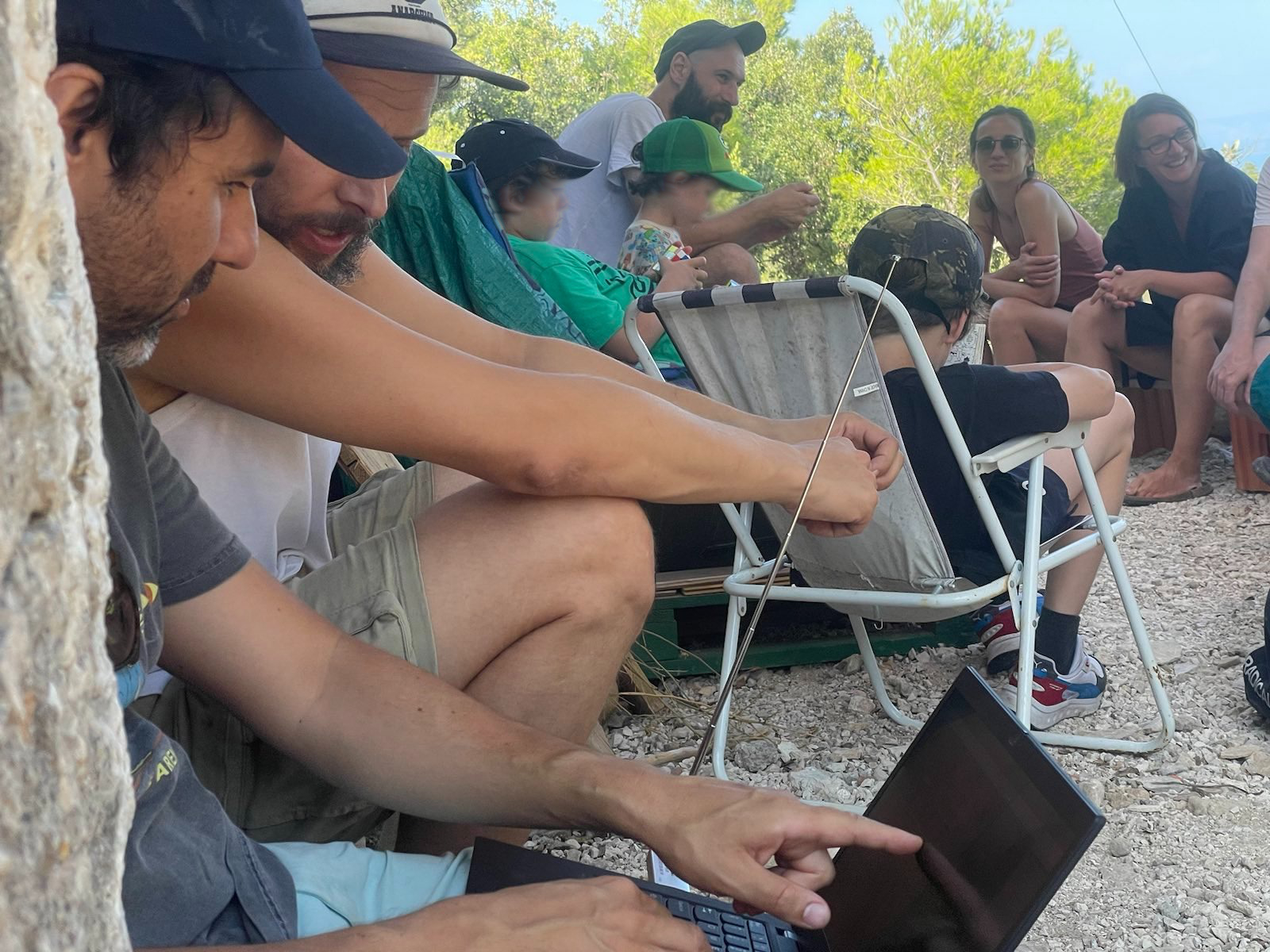
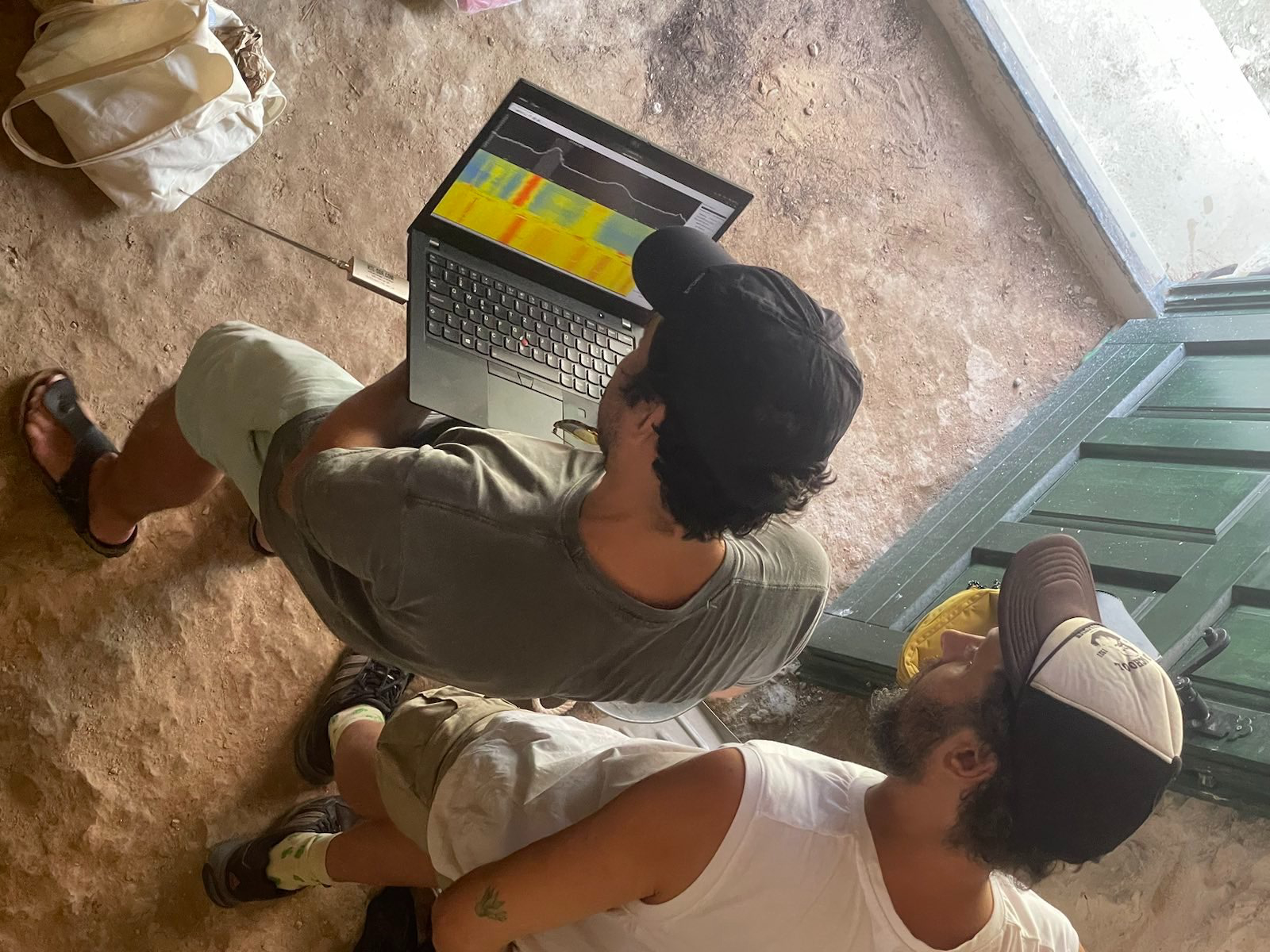
    Once we had the solar unit up and running we went on to play with FM radio broadcasting. Using different set-ups, Gordan Savičić, Selena Savić and !Mediengruppe Bitnik experimented with ranges and antennas, testing them in the actual terrain of the school. Both the antennas and the boosters will require more research and we look forward to continuing the experimentation soon! The radio project will kick off in September where we will explore the technical aspects of broadcasting, from low-power mini FM broadcasters we can soldier ourselves to more advanced set-ups that can also transmit via RDS, the Radio Data System, a communications protocol that allows the embedding of small amounts of digital information (like information on current track played or station identification) in conventional FM radio broadcasts.


    Selena Savić is a researcher and a trained architect. Her research interests revolve around the mixture of computational processes with the built environment, exploring ways to communicate communication processes. She edited two books (Ghosts of Transparency, 2019 and Unpleasant Design, 2013) and she writes about computational modeling, feminist hacking, and post-human networks in the context of design and architecture.

    Gordan Savičić is a critical thinker, technologist, artist and designer whose work investigates the relationship between people, networks and interfaces. He has a background in media art, research and teaching, and his main areas of interest include digital and urban interventions as well as open-source technologies. He was part of Moddr, Weise7 and co-authored the Critical Engineering Manifesto.
  • July at ISSA

    July at ISSA

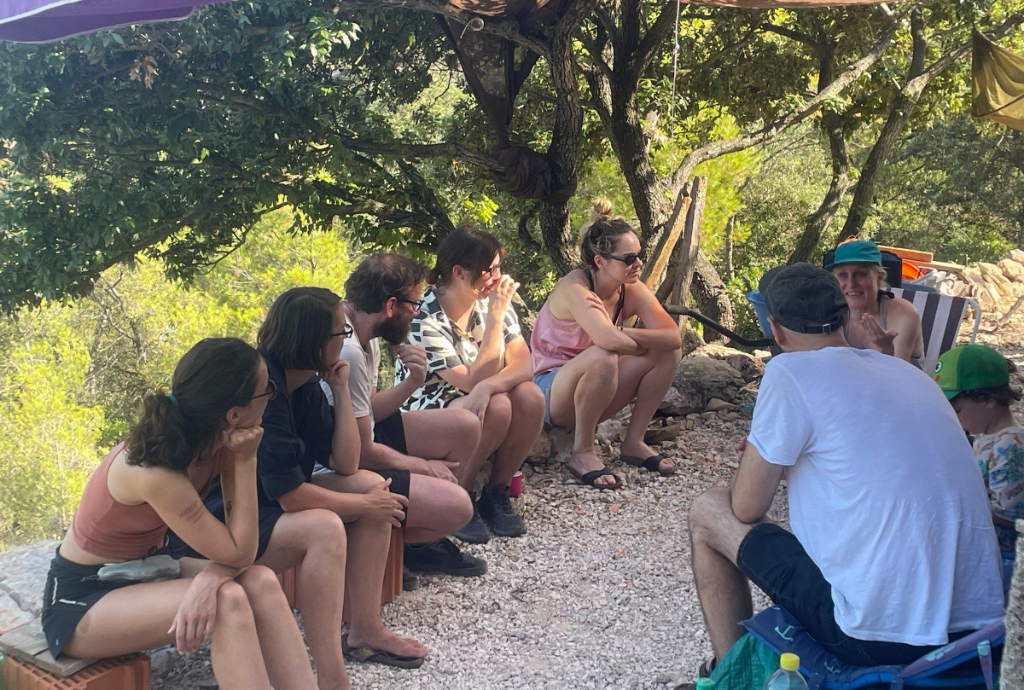
    In the summer of 2023, we proudly announced the launch of the ISSA School. There is no exaggeration when we say it was a project in preparation for over two years. Throughout this time, we engaged in discussions regarding various school initiatives. We invested a great deal of physical effort into this remote location. Our heartfelt gratitude extends to all who contributed, whether on site or by offering remote support through advice and donations, all of which will undoubtedly create immense value for the community.

    Since the official announcement of the school, we have been fortunate to receive collaboration and support from numerous impressive individuals, collectives and projects, all eager to share their knowledge and lend a helping hand.

    The ISSA School aims to provide enjoyable and educational programs for all generations. Besides hard physical work and fun up in the hills, we were discussing and planning various activities and necessities, from constructing a self-sufficient water system to solar power, from educational hikes around the hills near Tito’s cave to an educational treasure hunt for kids and grown ups interested in the history and the future of the island Vis.

    Moreover, this venue will serve – and already serves – as a meeting point for creative and progressive thinkers and doers, fostering the exchange of new perspectives, ideas, and potential collaborations.

    We wholeheartedly welcome anyone interested in getting involved, sharing their expertise, or making a donation. ♥️

    Read more about July at ISSA at Solar Power and FM Fun and The First Public Event– cinema and panel.

  • The First Public Event

    The First Public Event

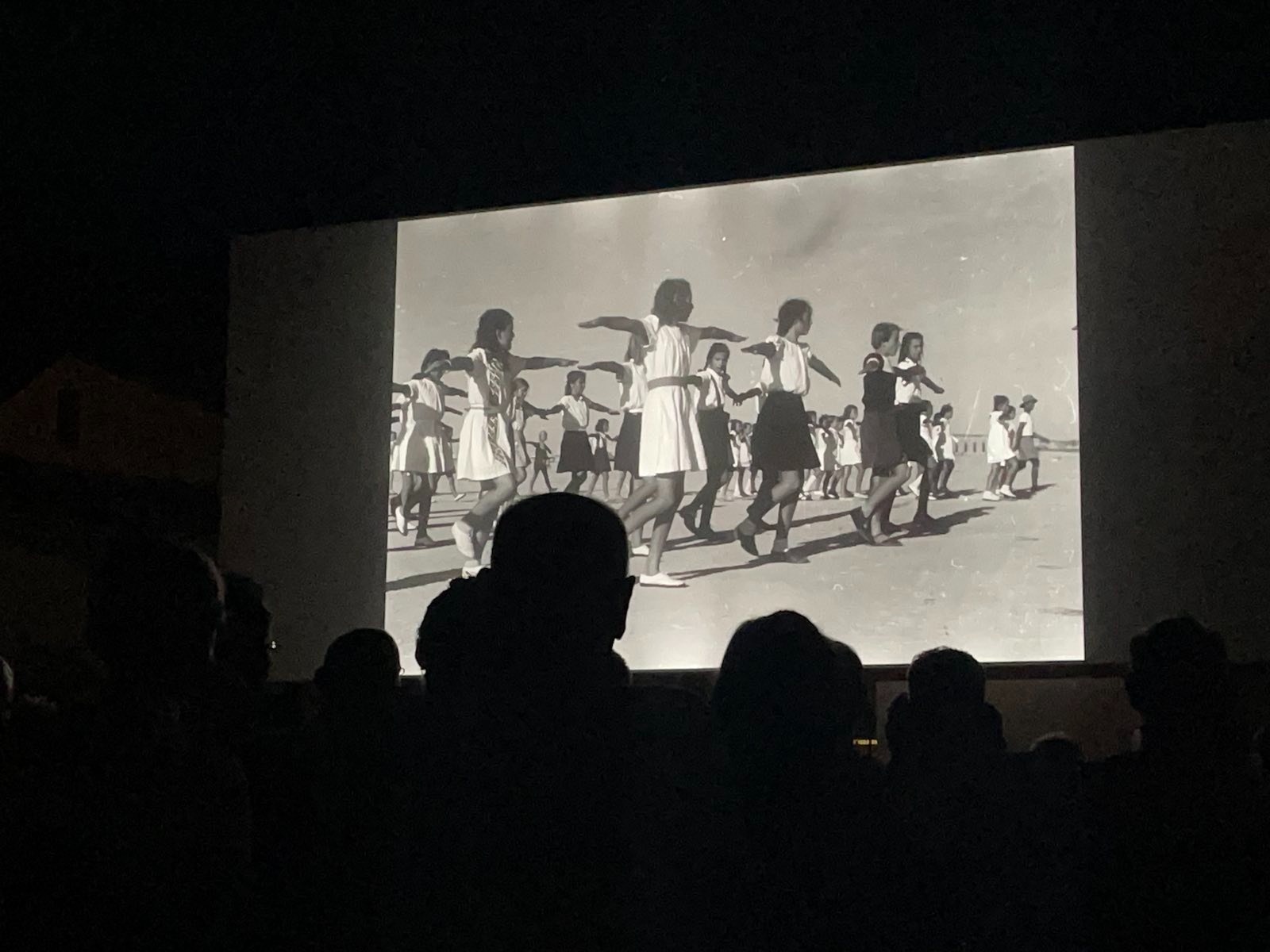
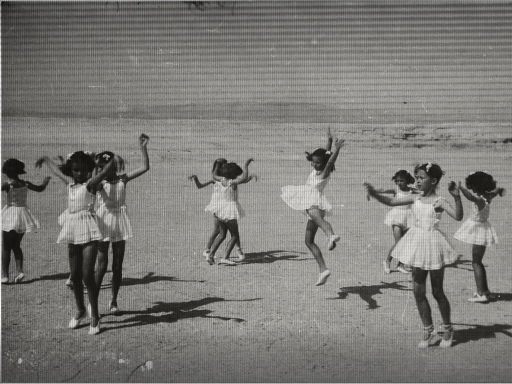
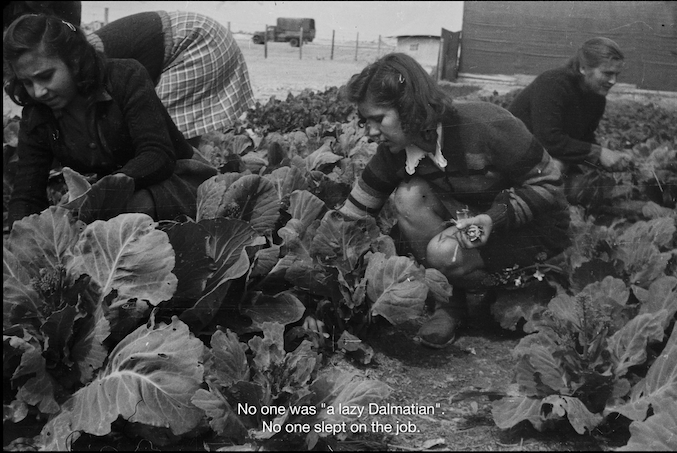
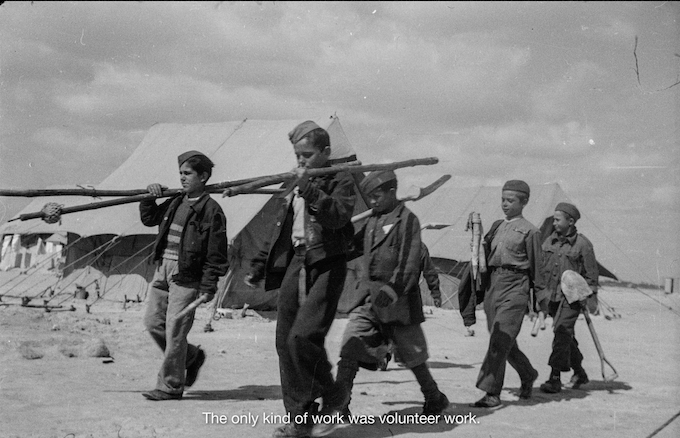
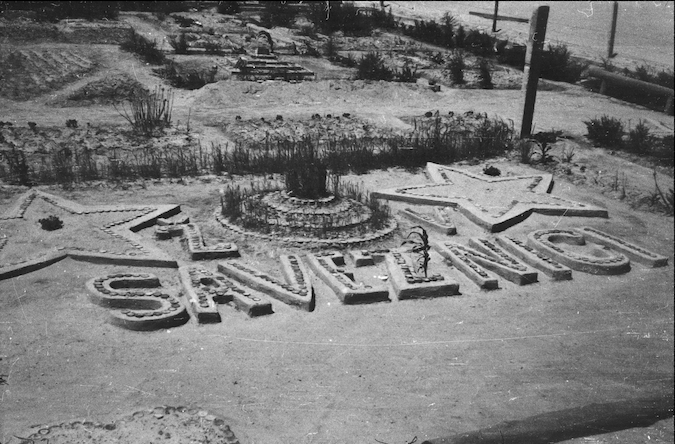
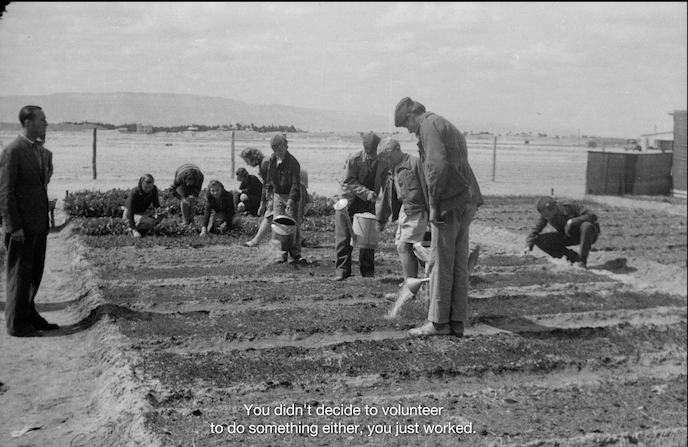
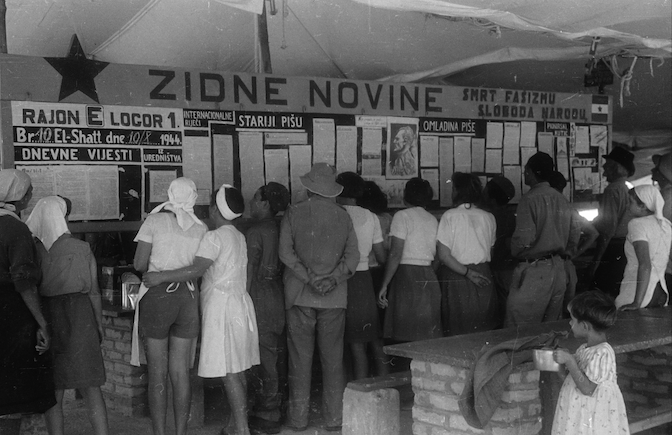
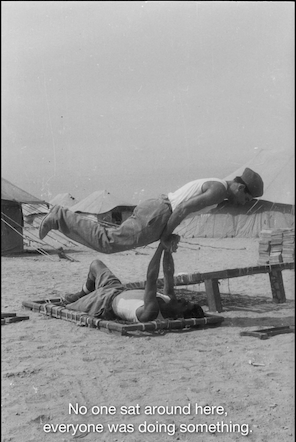
    In 1944, World War II refugees, mostly women, children and the elderly, travelled from Europe to Africa to live in tents in the middle of the Egyptian desert. They form a kind of experimental communist model village to show the Allies what the new Yugoslavia will look like when the war is over. The documentary is about the self-organised and self-governed community utopia (click to see the: trailer)

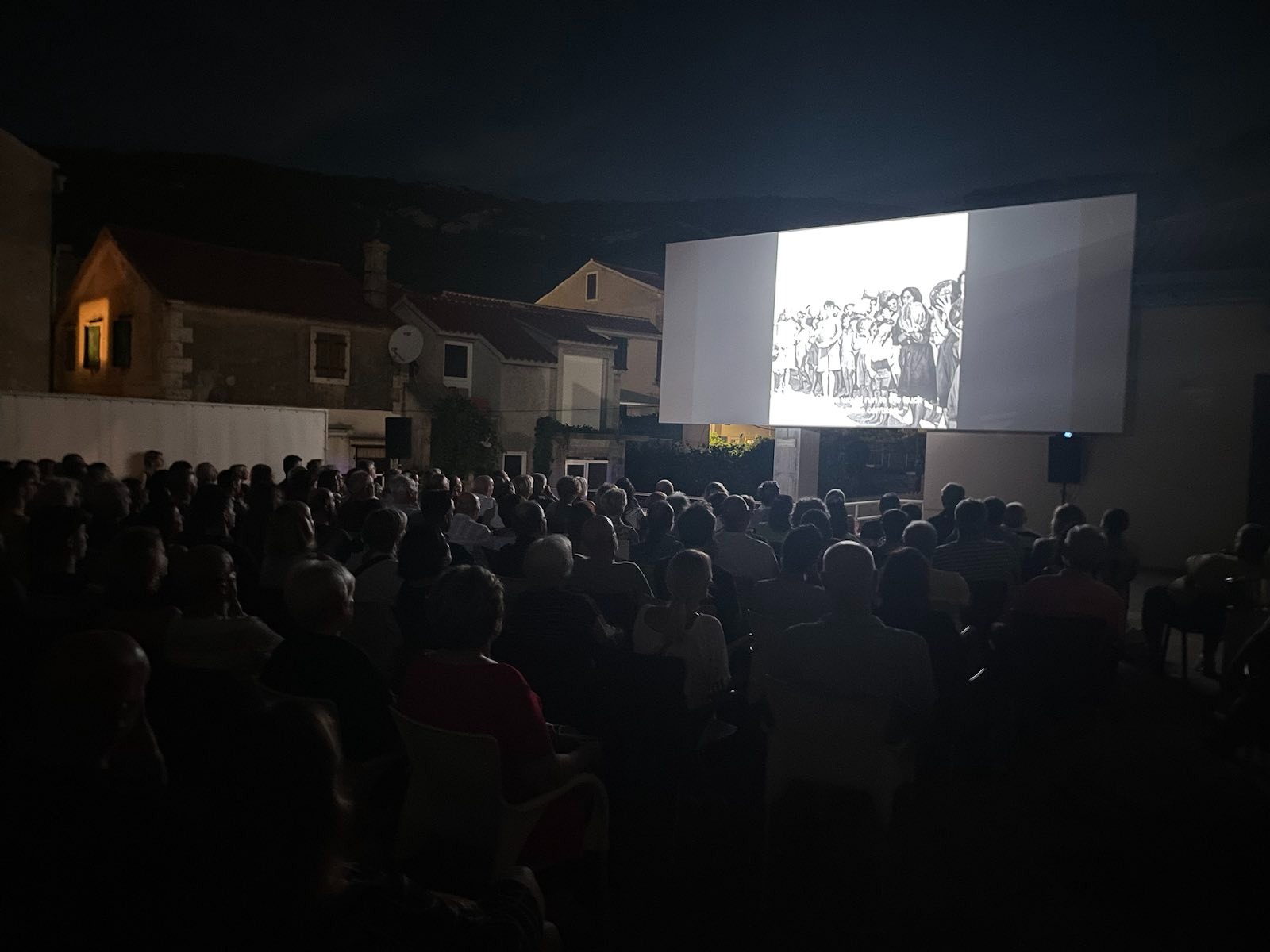
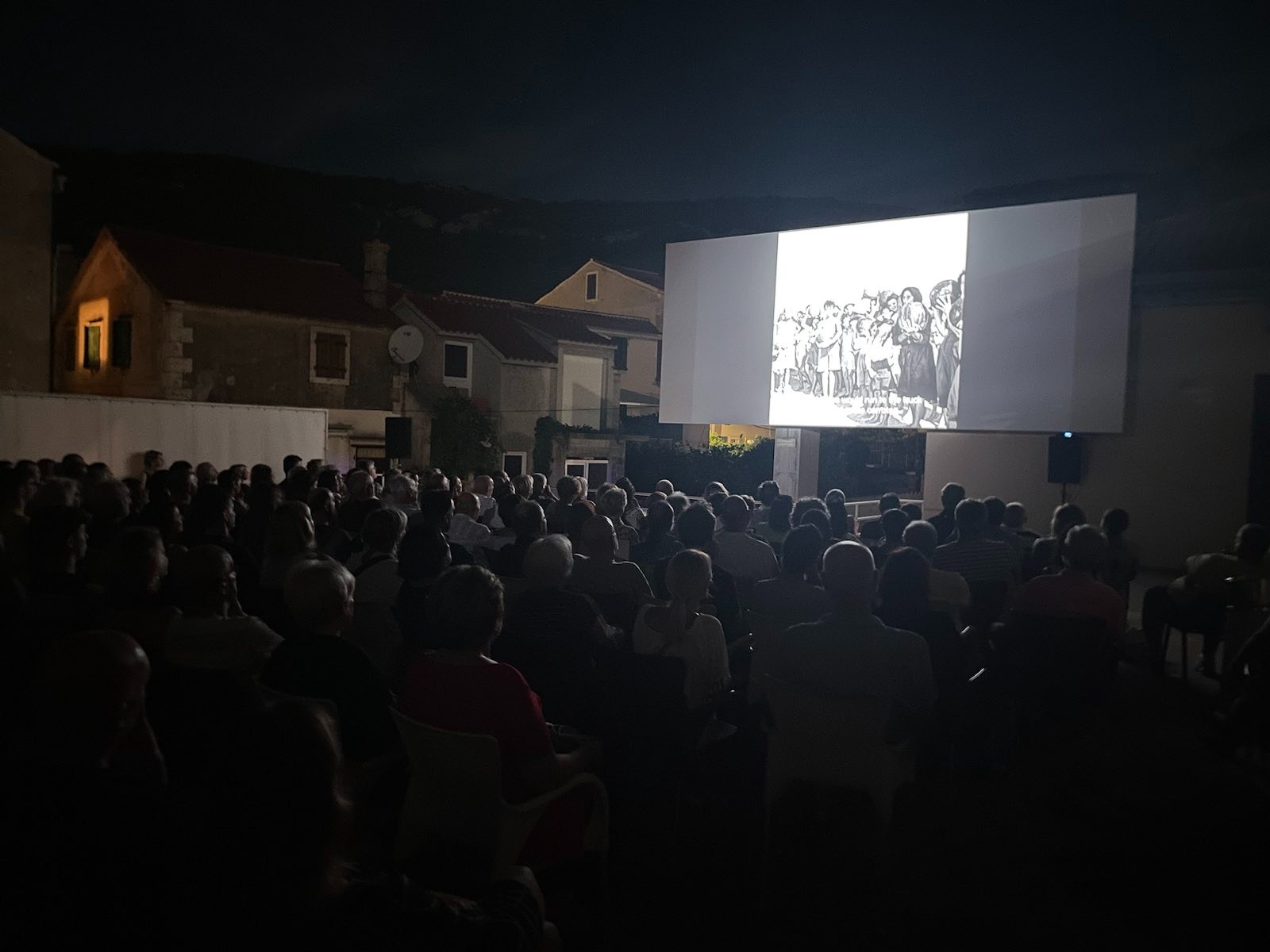
    Komiža’s open-air cinema set the stage for the inaugural event of the School of Autonomy. The screening of the thought-provoking film “El Shatt – A Blueprint for Utopia” paved the way for a compelling dialogue involving director Ivan Ramljak and individuals who directly experienced the Yugoslav camp in Egypt during World War II, known as El Shatt. This particular subject strikes a deep chord within the people of Vis, given that a substantial number of them can trace their lineage back to the camp’s inhabitants, and a noteworthy few even drew their first breath there.

    As depicted in these images, the venue was filled to capacity, and the panel discussion following the film was vibrant and engaging. Read more

    It was in that moment that I experienced a true sense of freedom… Those were indeed times of greater optimism. Happiness and solidarity were more prevalent, unlike the present day. Back then, we possessed fewer material belongings and found joy in sharing, whereas now, despite having an abundance, we often display selfish tendencies…

    Resident of El Shatt
  • El Shatt – A Blueprint for Utopia

    El Shatt – A Blueprint for Utopia

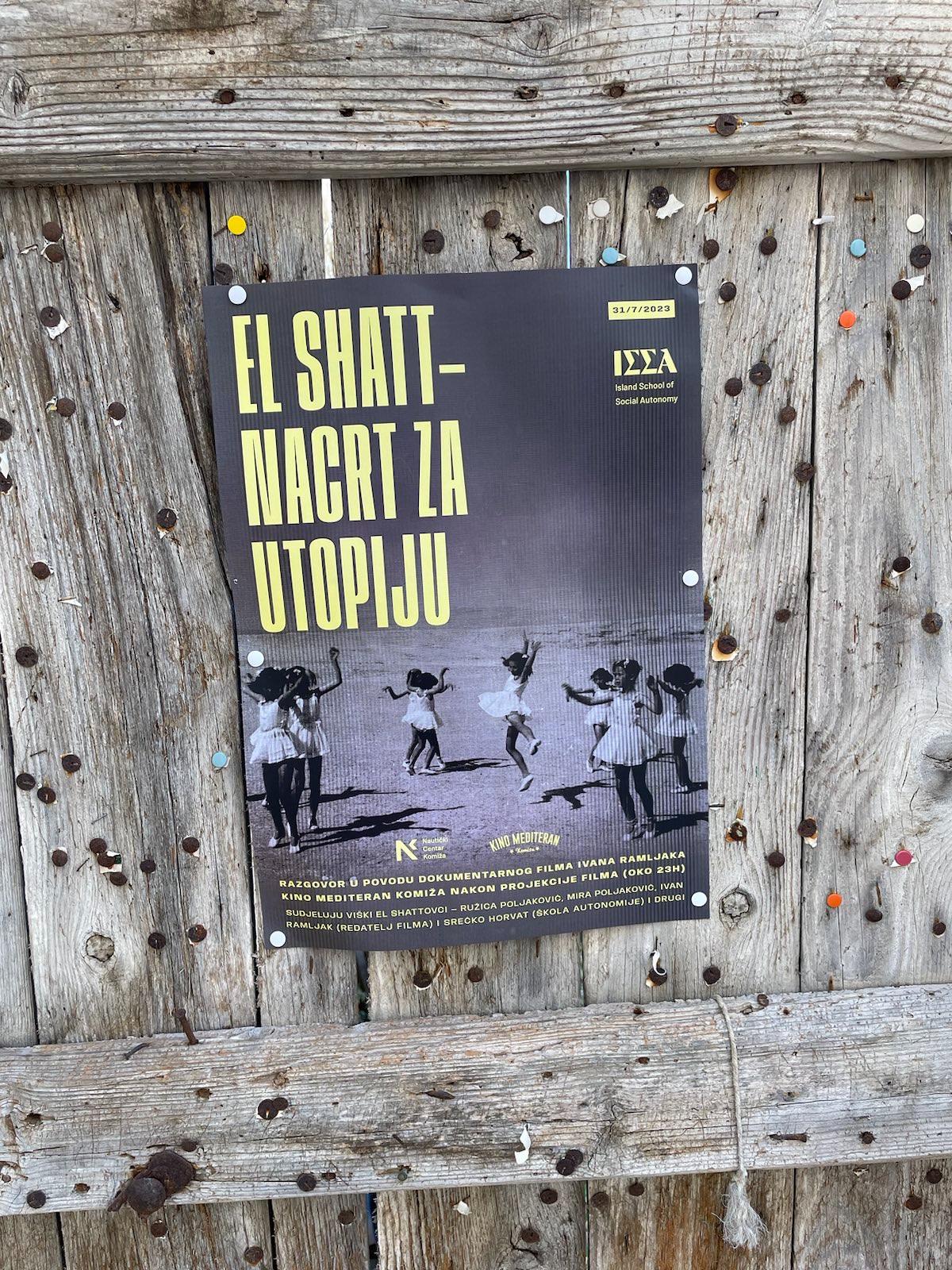
    On Monday (31/7/2023) ISSA is organizing a discussion with the director of documentary film “El Shatt – A bluepring for Utopia” Ivan Ramljak and the still living refugees from El Shatt Ružica Poljaković & Mira Poljaković, to be held in Komiža at the summer cinema Kino Mediteran.

    More about the movie:

    Hundreds of frozen and starved people floating on boats in the middle of the Mediterranean Sea fleeing from the war… Familiar scenes that we are used to seeing in recent times. But the year is 1944, and the refugees are travelling from Europe to Africa. After Italian capitulation, and before the arrival of German army, 28.000 Dalmatian Croats left their home villages and towns to live for two years under the tents in the middle of Egyptian desert, in a kind of a communist model village that was formed to show the Allies how the new Yugoslavia will look like when the war ends. This is a story about them.

    Stills from the movie:

  • First book donation

    First book donation

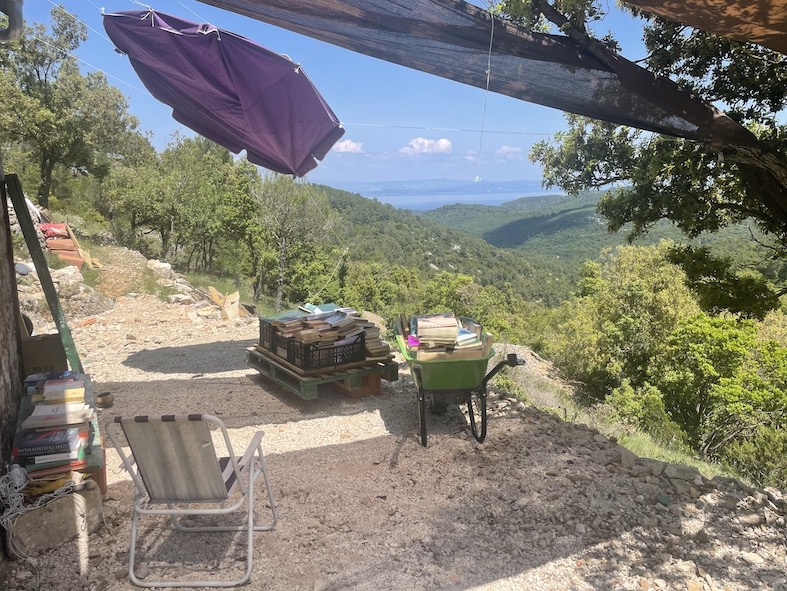
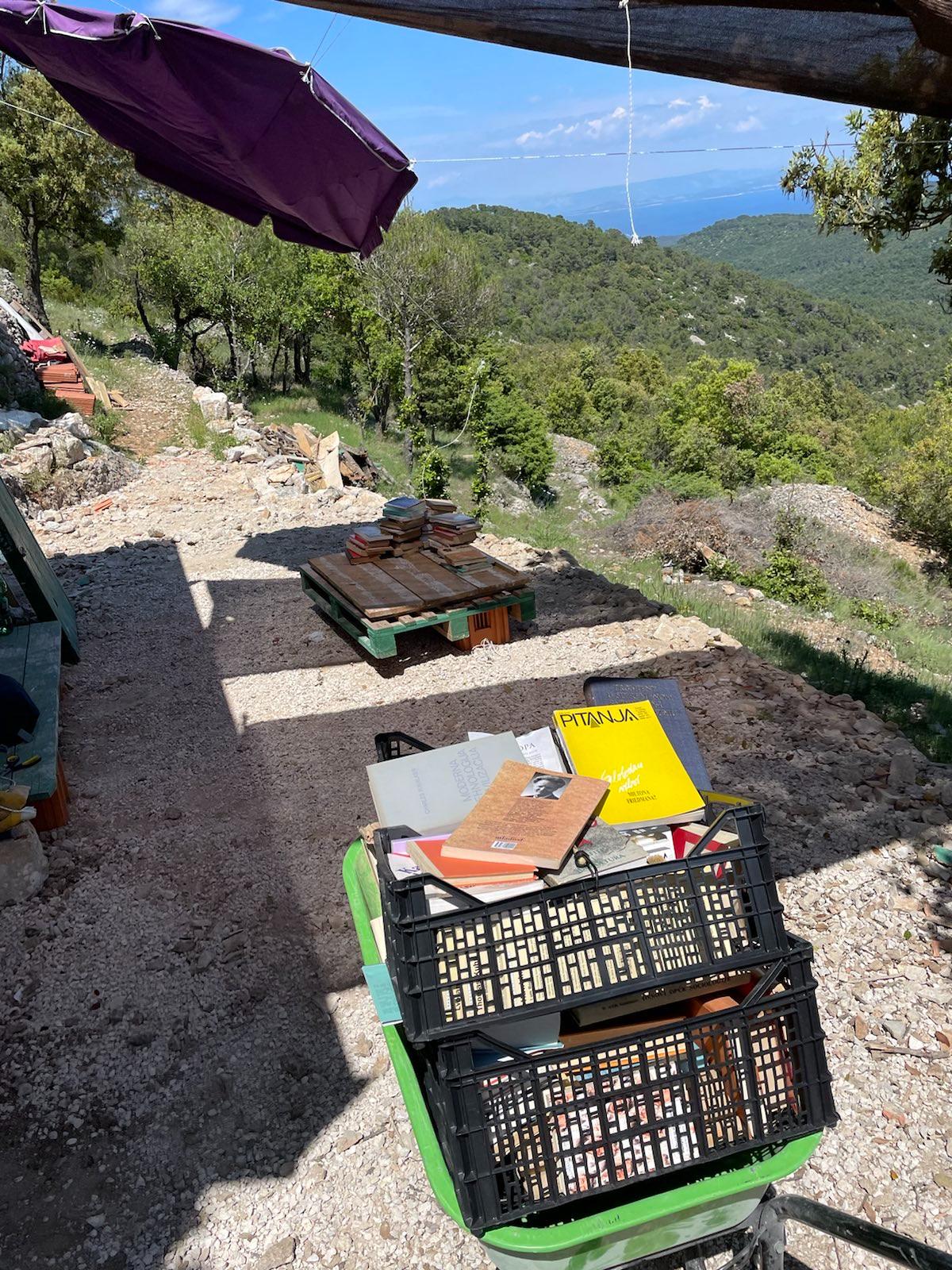
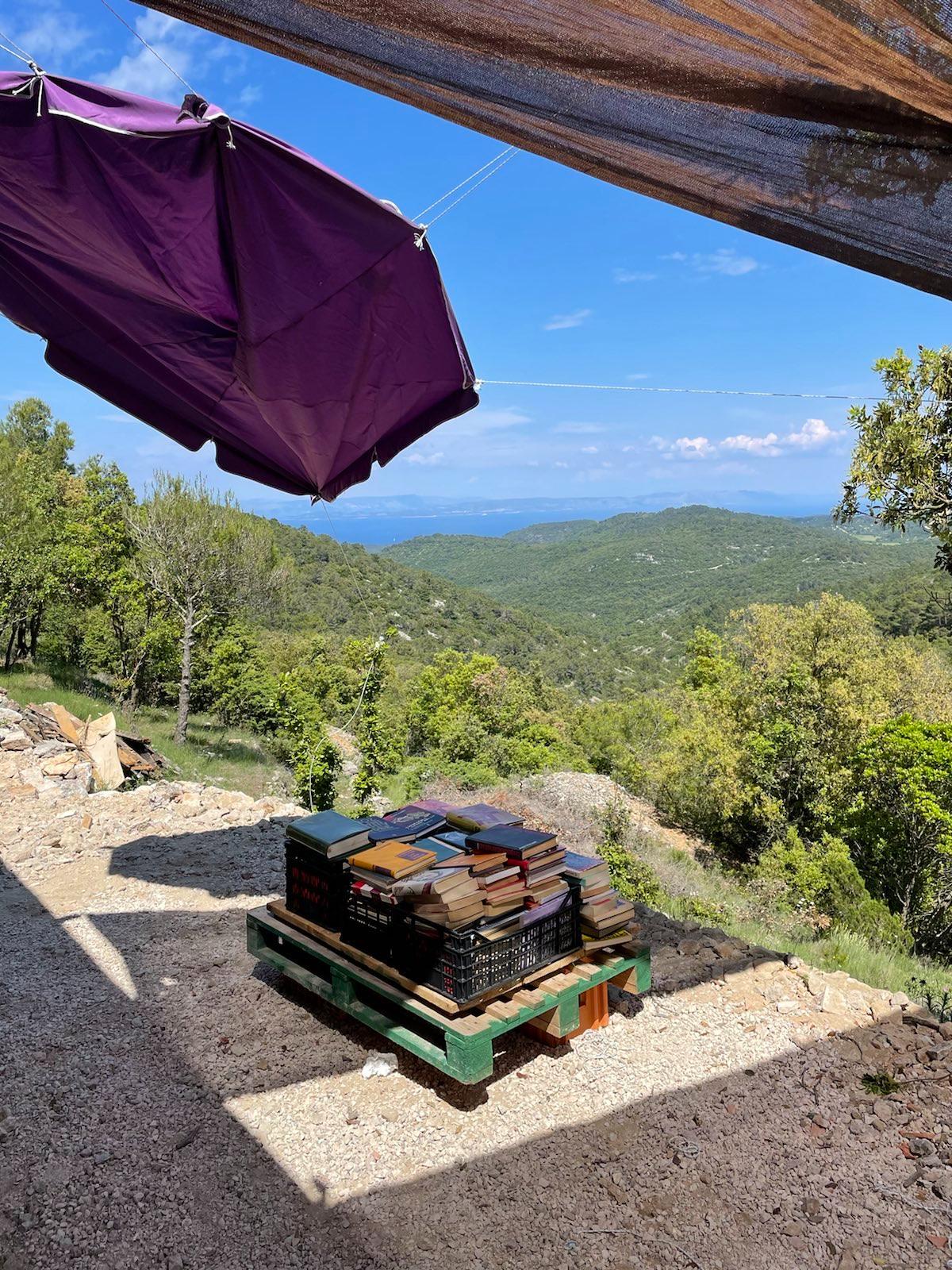
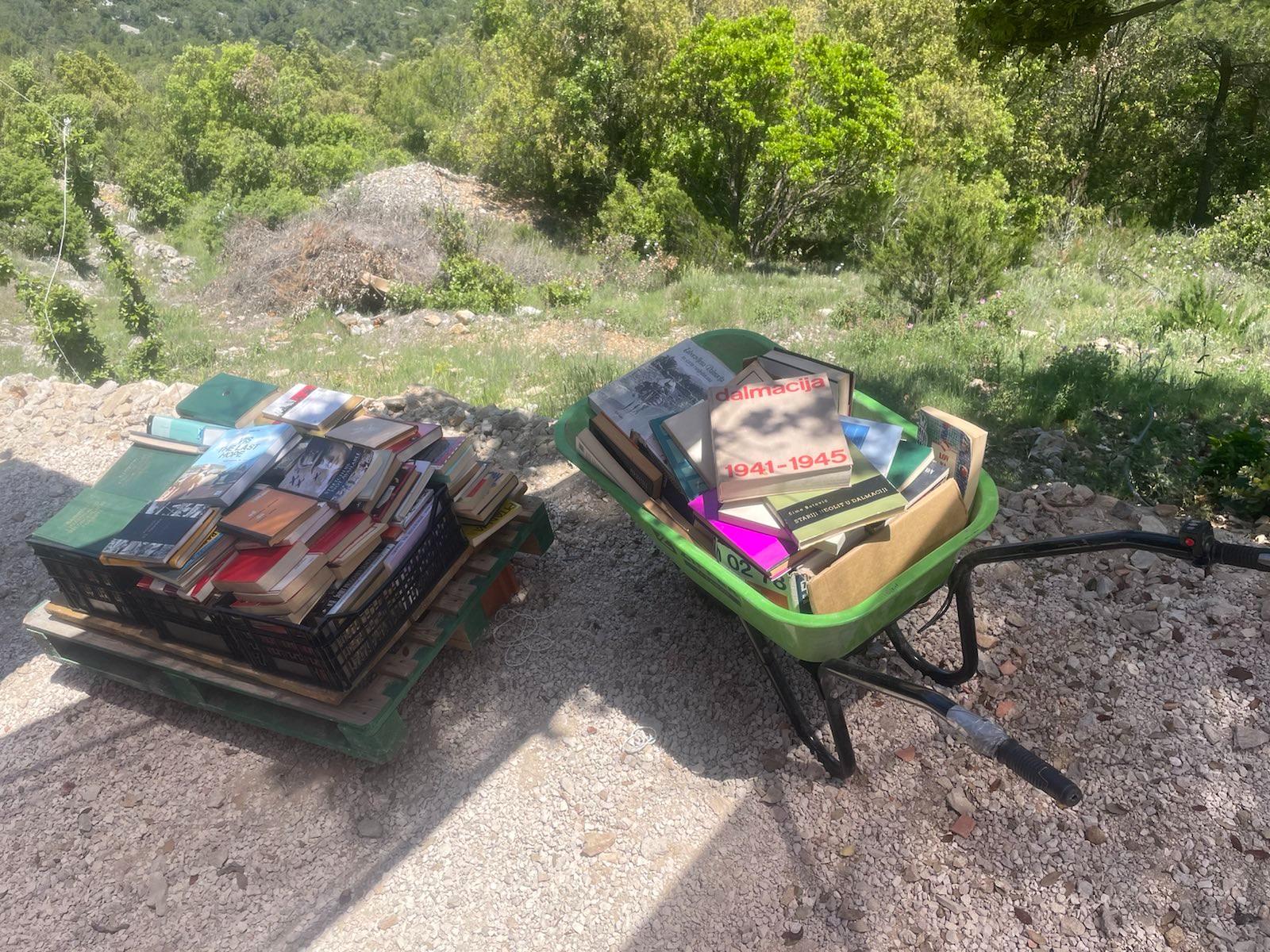
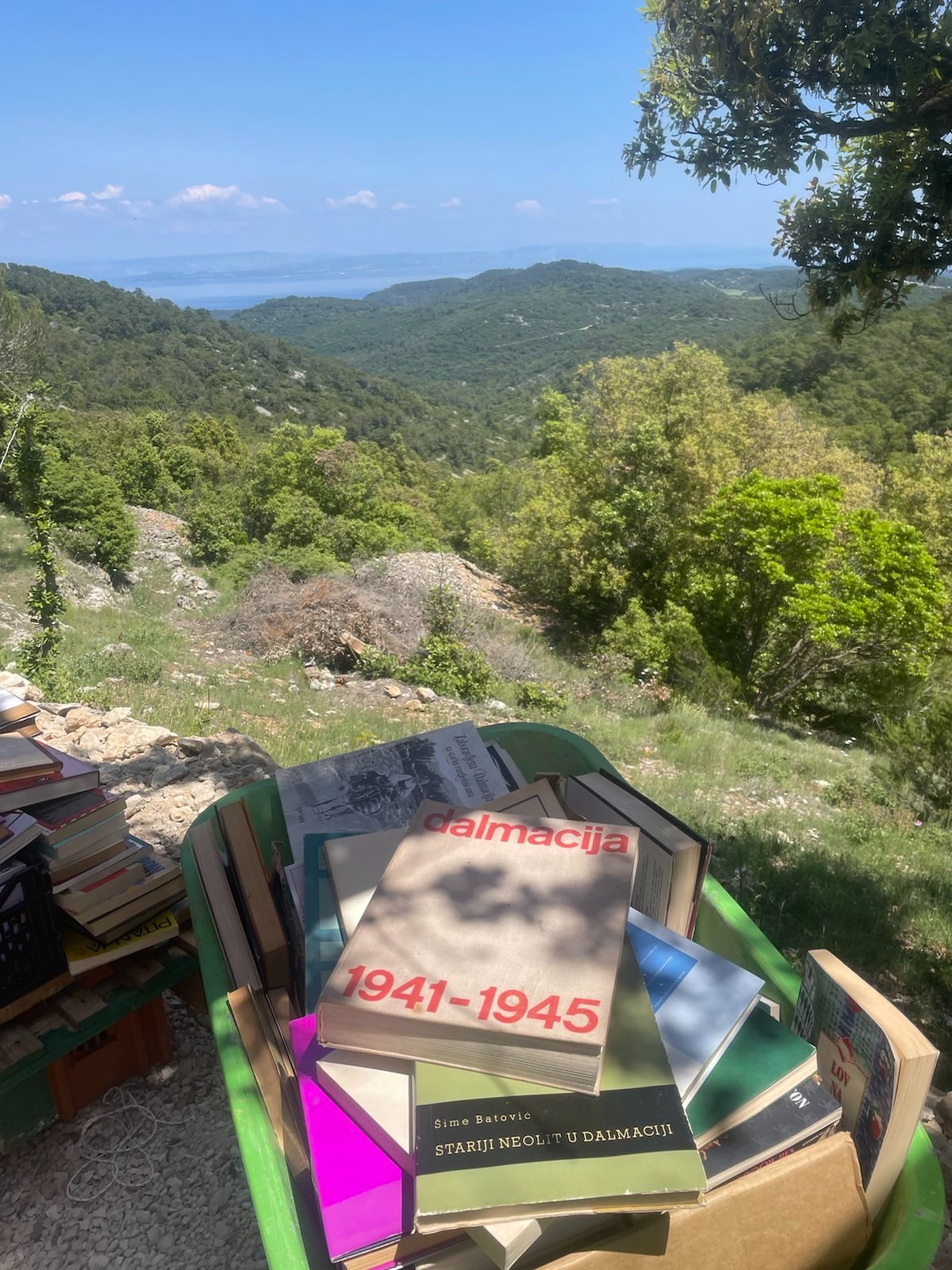
    Today is a really special day. The granddaughter of the Croatian sociologist Boris Vušković (1933-2021) from Split donated his books that we then brought to ISSA and thoughtfully stored in our library to make them available to the public.

    As a boy, Vušković survived the Second World War in Split. Two of his brothers joined the partisans, while the third was shot in 1942 together with Rade Kočar in Šibenik. Along with his father’s death in an Italian fascist prison, that experience permantly defined him. He taught sociology at the Faculty of Law and the Faculty of Economy at the University of Split. During the 70’s and 80’s of the last century, he was considered part of Split’s main intellectual troika, the so-called “Three V’s” (Vrcan Srđan, Visković Nikola, Vušković Boris).

    We will make sure his books have a proper life here at ISSA.

    If you want to donate books, contact us.

  • Reconstruction of the Old Stone House

    Reconstruction of the Old Stone House

    The Material Arrives

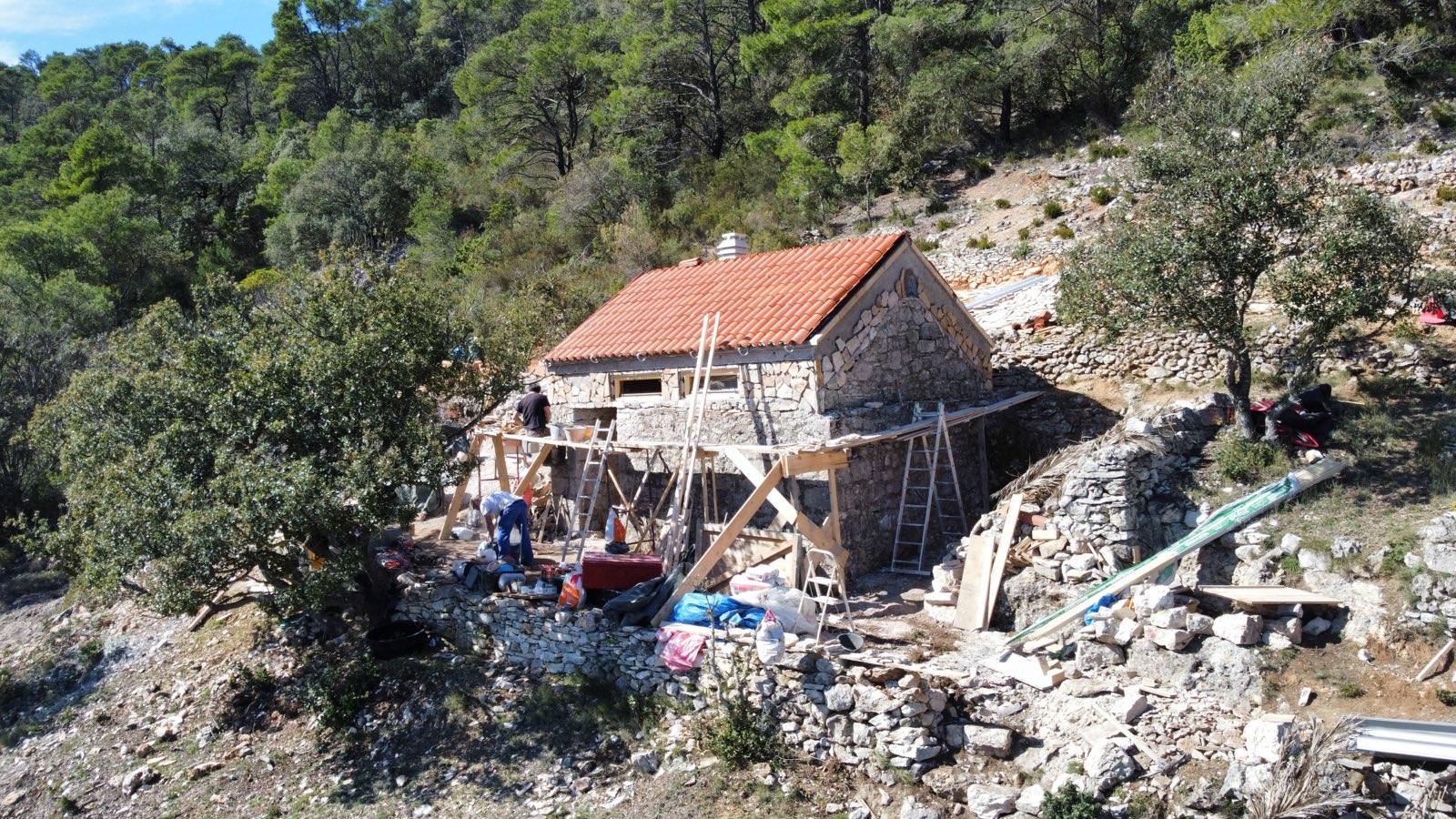
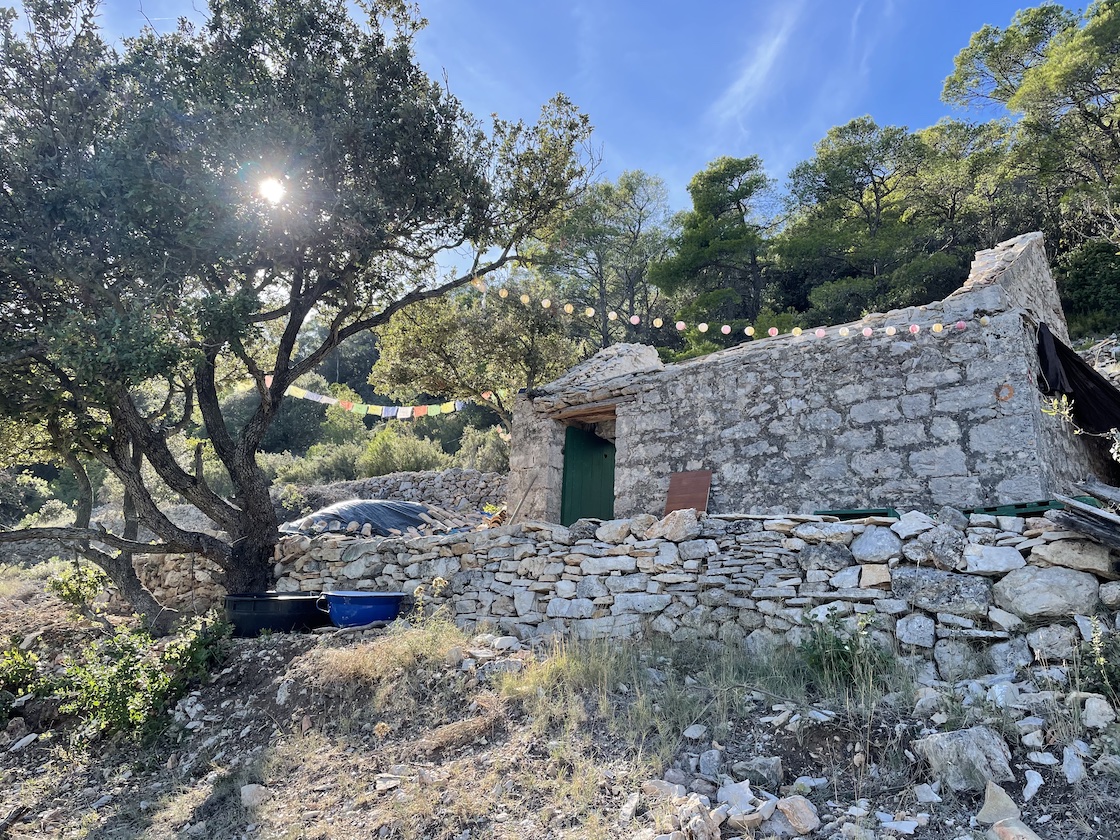
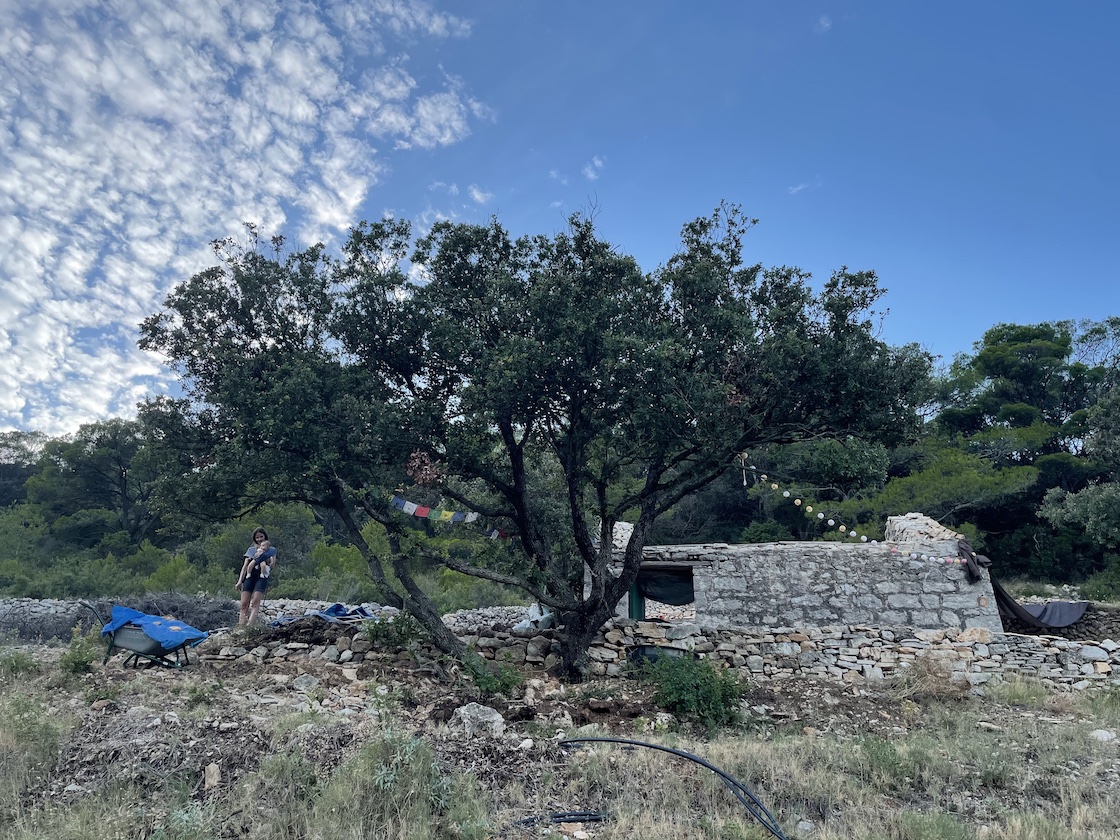
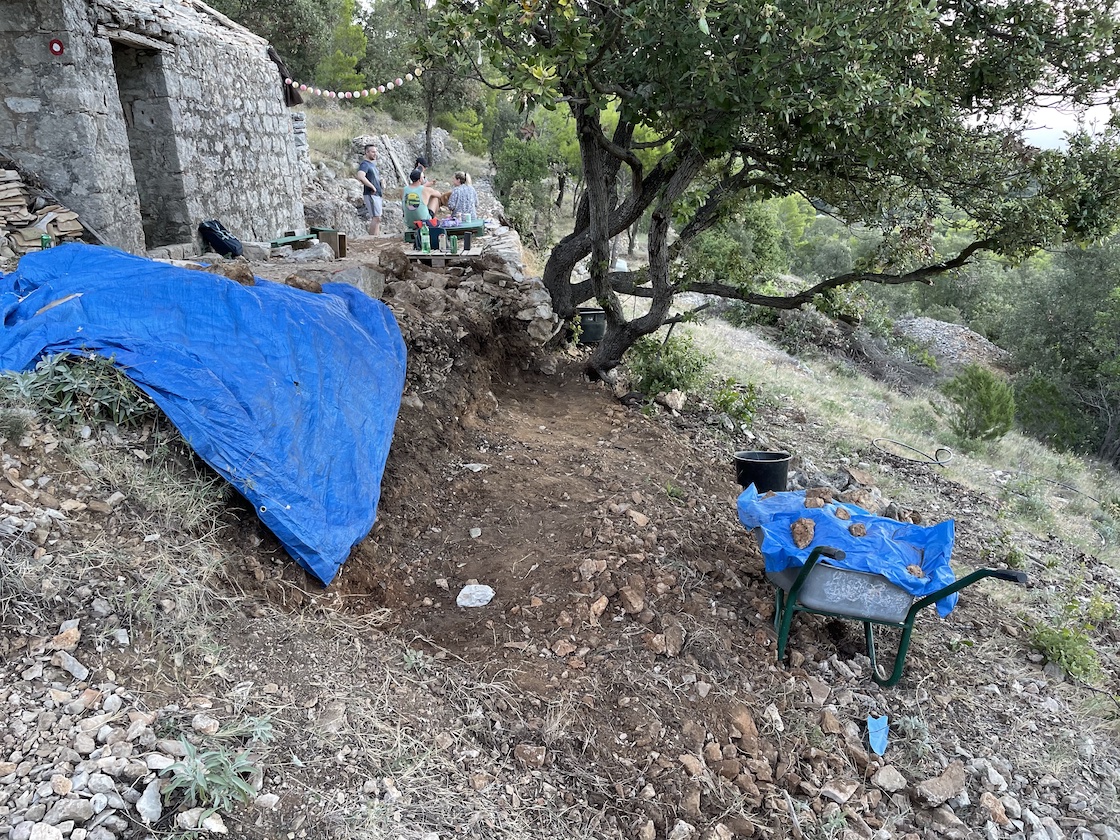
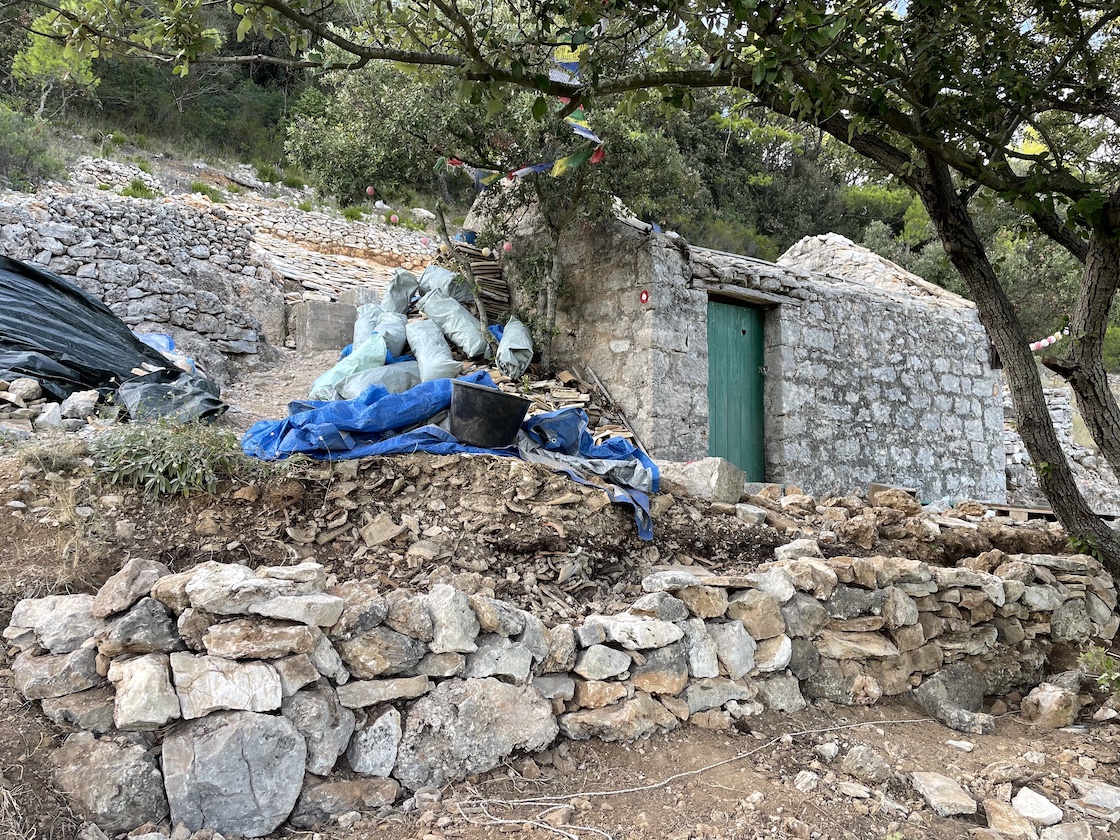
    With a clear vision in our minds, we spent the last summer carrying bags of sand and cement uphill, but that was not the end of our own little “Fitzcarraldo” episode. As the spring of 2023 approached, we continued with our “happy Sisyphus” work: the construction material for the restoration of the old stone house arrived, and we rolled up our sleeves.

    Up and Down and Back Again

    The construction site is remote and far from the road – even further if your load is heavy, but much shorter in good company. Some of us came from far away to help, some local friends volunteered; and some were hired due to the amount of the material that had to be transported manually. We were a colorful group: from local winemakers to writers, actors, musicians, and the youngest in our merry bunch – a baby – all part of the project. Nowadays, it seems like you must be a bit crazy to start rebuilding in a place like this. We had our doubts, but in the end, it made more sense with the peace and quiet this place offers.

    Another Day…

    The roof is almost finished, and charming details are on the way, like these round boat windows. The builders we found by recommendation were amazing and professional. Building on an island is never simple; however, that didn’t impact their work or demeanor, and they taught us a lot as well. We loved their unconventional, well-thought-out worldviews.

    No Friend But the Mountains

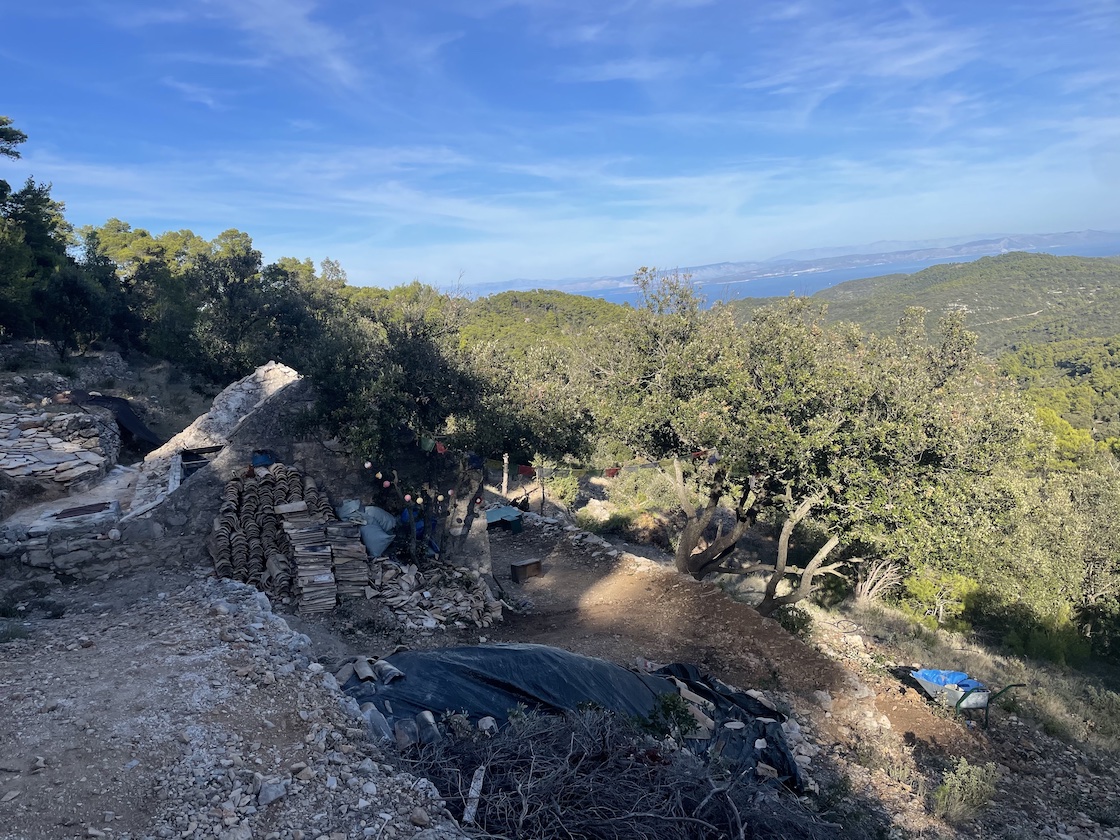
    The school finally has a roof. Now we can start working on bookshelves and all the next steps. Everyone is excited about the progress; it was (and still is a bit) hard to believe the roof is finally done and the little house will soon be able to house our books.

    Almost There

    The interior work is underway, with stonework and painting to follow. This was a big first phase, or was it the second, maybe even third. Difficult to say. A lot has been done in this time. Parallel to the school website, the physical site is being built. If you look at it now, or from one point of view, it was all just a lot of fun. But it wasn’t easy. Even more so when we look at the dry-stone walls around us here on Vis. This at least helped us understand it better.

    Painting

    While previous participants had moved on to other places, others came to continue the work. They left, but their hearts and minds stayed with ISSA. Those who had been following the updates from afar, now came to put a few strawberries on the cake by painting the doors and windows green, as it is customary on this island. While on the Greek islands it’s common to paint in light blue, here it’s white and green. Since we are surrounded by evergreen Mediterranean forest, the choice was natural.

    For more check out our projects page and consider helping out however you can, we guarantee good work, fun and new friendships. See also how we started.


    We are building the school – the school is building us.

  • Bifo: Why Start a School, Today?

    Bifo: Why Start a School, Today?

    The Whys:

    • Why start a school, today?
    • What is the context in which we are going to open a school?
    • What is the goal of the school?
    • And finally: what should be studied in a school that is starting today?

    Let’s have a look at the landscape before replying to these questions.

    The Earth is rebelling against the World. The Earth is taking revenge against the history of men. No way out. No way back.

    Fire, water, air – the basic elements unchained against the animal that has dissipated resources, polluted the atmosphere the oceans and the soil.

    This is provoking a cascade of catastrophic effects at every level of social life: huge migrations are expected from Pakistan – a country of 224 million people, as the floods have destroyed crops and cattle, and one third of the population have lost their home.

    Nationalist aggressiveness is therefore destined to grow everywhere. Wars are going to multiply.

    Climate change is out of control. The plans for reducing the effects of global warming are totally ineffective: the green economy is useless as long that the economic growth stays an unquestionable myth. Because of the war, energy is extremely expensive, so the economic growth needs more carbon, and nuclear plants everywhere. And time is running out out out.

    Let’s be frank: the social civilisation that the Westerners have experienced in the last Century is doomed.

    The final apocalypse of the human civilisation has started already, and no political action will reverse the irreversible.

    This is the context in which we are starting the school of ISSA (Island School for Social Autonomy).

    What’s our goal? We are not willing to prepare the cadres for the government of the future. There will be no government in the society of the future, because human will is and will be more and more unable to understand and govern the complexity of Chaos unchained.

    We’ll create a school amid spreading Chaos, and our goal will be to listen to the rhythm of chaos, to interpret the meaning of chaotic flows, to strike a friendly deal with Chaos, and to thrive in Chaos.

    We are planning a school for the communities that are preparing the Great Desertion. Communities of people who desert war, spreading everywhere. Communities of people who desert work consumption and political participation.

    Those people will be survivors of the ongoing Apocalypse.

    All around we’ll witness spreading dementia, aggressive psychoses, mass murders, despair.

    We’ll try to create islands of survival, islands of happy life and human understanding.

    What do we need for this? What should we study for making possible a new age of autonomous life, during the long-lasting process of dismantling of the social civilisation?

    We’ll need knowledge for survival, for therapy, and for meditation.

    We’ll need to study the history of the past, particularly of the last Century.

    We’ll try to answer the question: how could the humankind destroy and dissipate the legacy of social solidarity, and of science?

    But our school will be first a school of imagination.

    Imagination will be the core of our teaching: we must imagine human life in non-human environments.

    We’ll study the history of the Twentieth Century from the point of view of the present.

    We’ll dedicate a special attention to environmental studies.

    And finally, we’ll research together about technologies for practical survival in apocalyptic environments: agronomy, nutritional sciences, medicine, pharmacology, and housing.

    The first task that we are facing nowadays, and we’ll develop during the coming year is the creation of an Autonomous Survival Syllabus.

    We are now going to elaborate a consistent program of activities and of contents.

  • Dry Stone Walling

    Dry Stone Walling

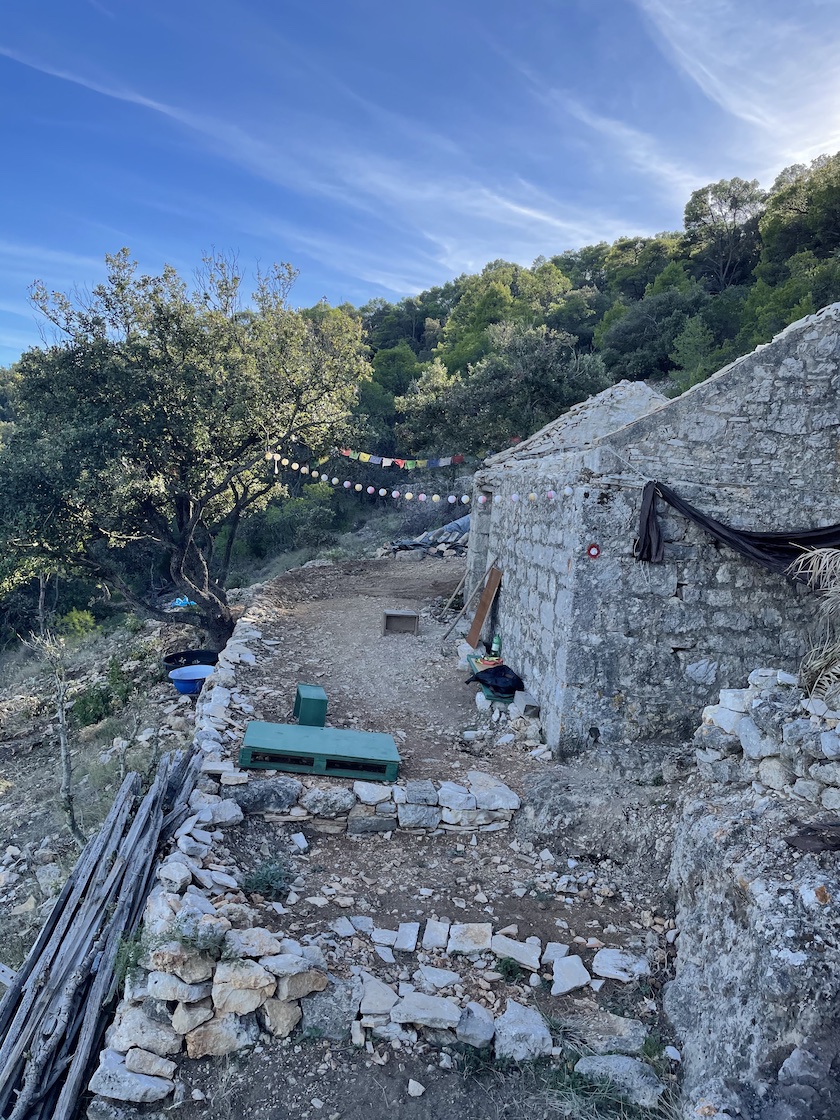
    The last time we were dry stone walling was when we rebuilt the old stone wall in front of the house – the future School.

    At the end of the summer of 2022, we were moving to the left corner:

    What certainly helped was that at the previous radna akcija (“work action”), when ISSA hosted a group from the Green Academy, the hard preparatory work of digging and sorting the stones happened.

    Check out the gallery and see for yourselves:

  • Srećko Horvat Talks of ISSA

    Srećko Horvat Talks of ISSA

    In late July 2022, a crew of Hungarian journalists and filmmakers came to visit us to speak about the history and future of emancipatory struggles and social experiments.

    You can watch or listen the entire conversation here:

  • A Conversation with Bifo: Future Islands

    A Conversation with Bifo: Future Islands

    On the 28th of July 2021, !Mediengruppe Bitnik recorded Franco “Bifo” Berardi in conversation with Srećko Horvat and Saša Savanović on Vis. The conversation is about the meaning of the notion of “island”, autonomy, pleasure and death, extinction and resistance. And, of course, about the necessity and multiplicity of possibilities for the School of ISSA. The conversation was recorded on a very hot day (temperatures were hitting 40 °C), and just as the sun was setting, Bifo described it as a Philip K. Dick sun. The conversation took place a few days after Bifo visited ISSA for the first time.

    Listen to the full conversation here: