Author: issa

  • Water Tank Reconstruction

    Water Tank Reconstruction

    Reconstructing the “gustirna” (water tank) of ISSA

    People have been creating reservoirs for thousands of years. Some 5,000 years ago, craters of extinct volcanoes in Arabia were used as reservoirs by farmers for their irrigation water. Climate conditions also forced the ancient Greeks to develop advanced hydraulic technology to capture, store and convey water already in the times of the Early Minoan period (ca. 3500-2150 B.C.). How happy must have the Greek settlers from Syracuse been some 2,000 later when they arrived to what is today known as the island of Vis only to realize that the island has its own groundwater sources?

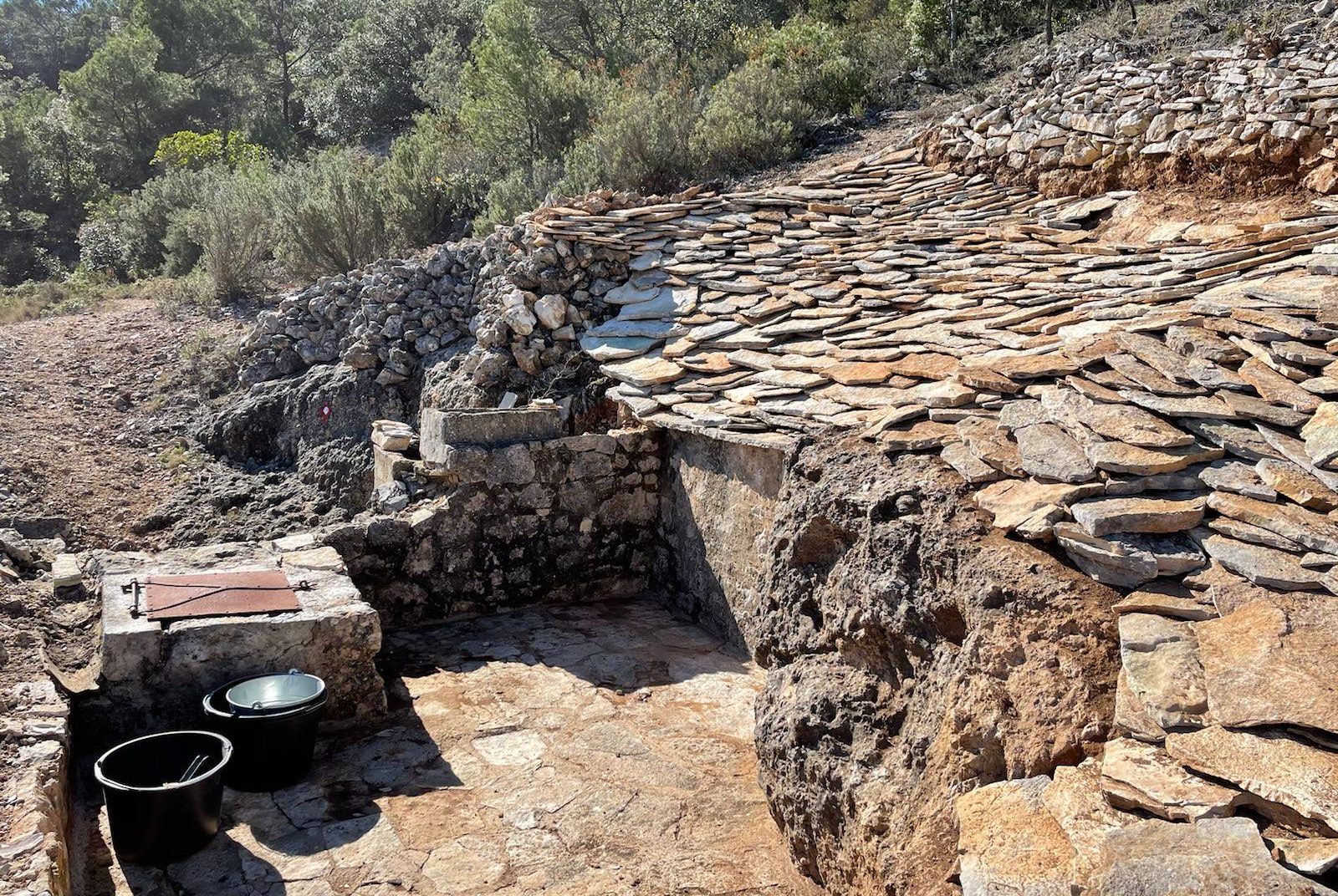
    The reconstructed “gustirna” of ISSA

    In this part of the Mediterranean, in the region of Dalmatia and its islands, we call the water reservoir gustirna. It’s a traditional water-collecting system which directs rainwater through a drainage basin into a water collection tank. Surface laid above gustirna, tiled stones called pjover, direct rainwater from the hill or house roof and into the underground tank. Those tanks are usually huge, as big as rooms. Before drinking it, the water must be tested – it is usually used for gardening or dish-washing, but if treated it can also be used as drinking water. In places like with the lack of ground water, and especially on islands, you depend on various ways of gathering water. This one is widely spread and quite effective – if the rain comes. At the same time, this method of building and water preservation shows how precious traditional knowledge and traditional ways of building are precisely in our today’s times of climate crisis and the future of water scarcity.

    Our “gustirna” before the reconstruction

    One of the first things we did once we arrived at ISSA, was to start to reconstructing our gustirna, that was completely overgrown by bushes while the roots were spreading into the water tank itself, through the stones, so that no water was being collected.

    Before reconstruction:

    After reconstruction:

    And here it is, the fully reconstructed “gustirna” ready for the first rains:

  • Ivan Illich on Education

    Ivan Illich on Education

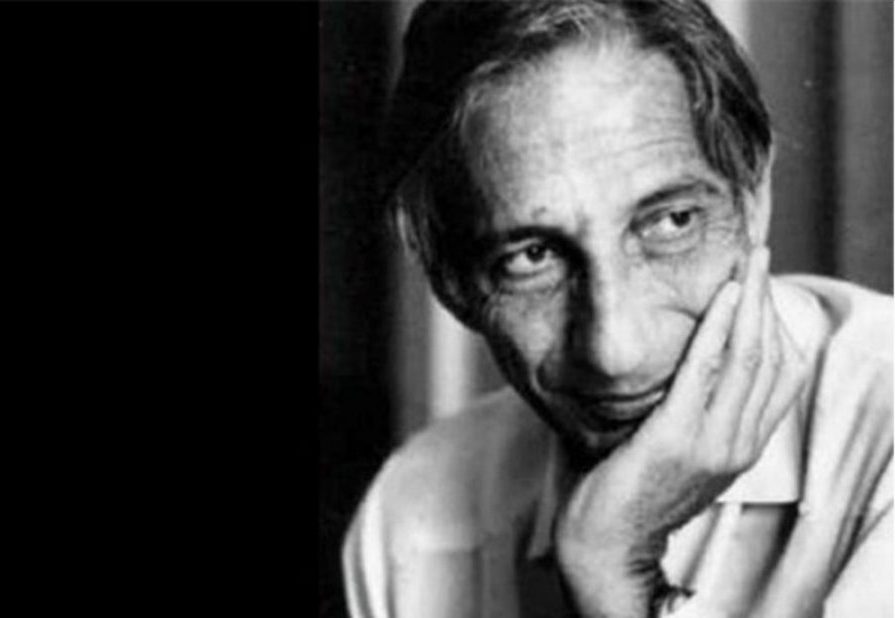
    Ivan Illich, whose work is one of the sources of inspiration for the ISSA, talks with Jean-Marie Domenach in Paris in 1972.

    The conversation focuses on the myth of Pandora, Epimetheus, and Prometheus, on the replacement of hope by expectation, on compulsory schooling as the “organ of reproduction” of capitalist values, on the need for a policy of consensual upper limits for the applications of technology… up to personal friendship as the foundation of work in the world.

    The entire conversation can be found below:

  • ISSA – Bird’s Eye View

    ISSA – Bird’s Eye View

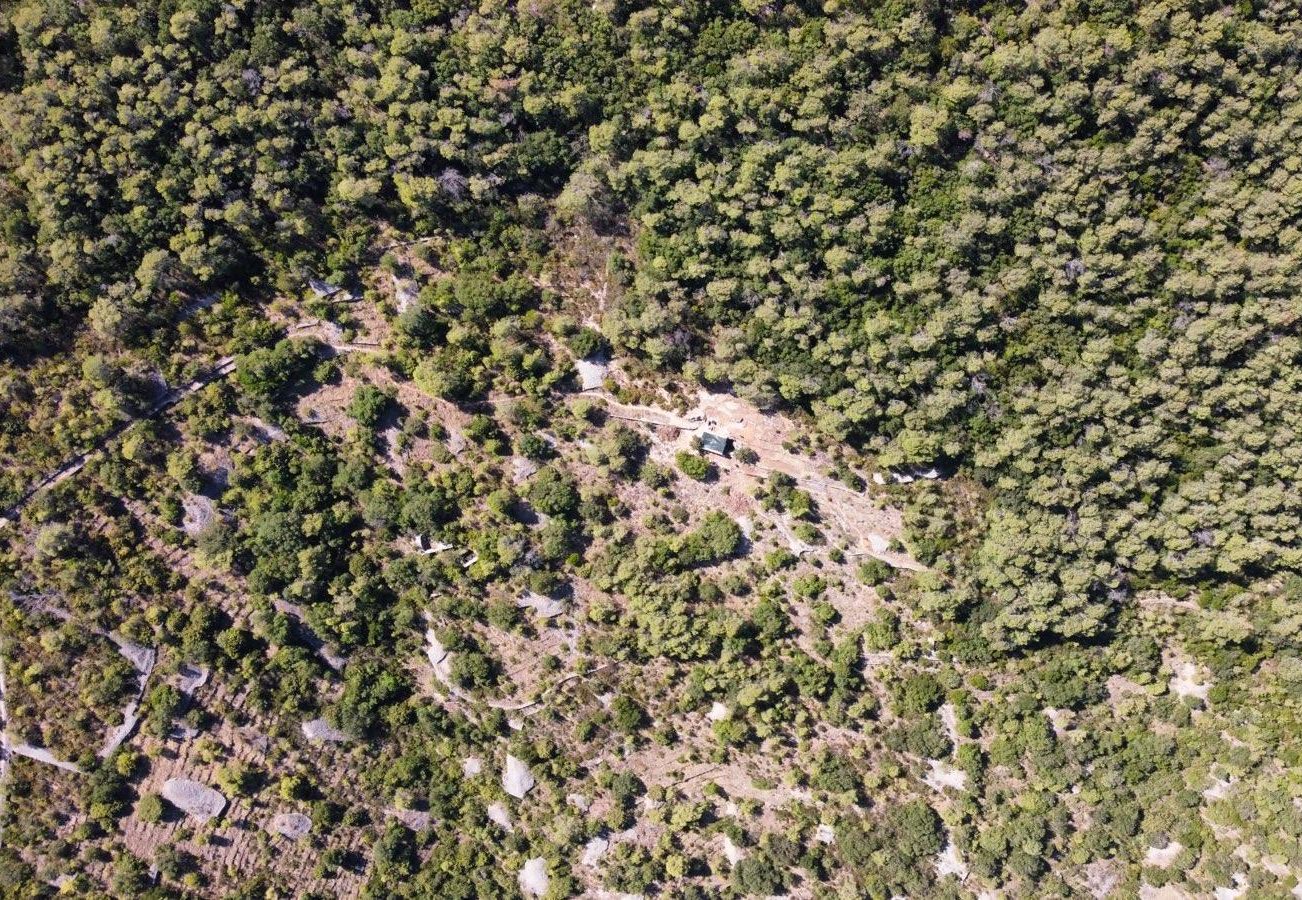
    ISSA in late summer 2021

    When we saw ISSA for the first time from a bird’s-eye view, we were at the same time overwhelmed with a sense of excitement and we felt a sort of a “Fitzcarraldo” moment.

    That excitement about the progress we have made in only a few months – cleaning the terraces and above the house seems like a micro-step, but for us it could be described as a “Fitzcarraldo” moment – well, you know that epic adventure movie by Werner Herzog with Klaus Kinski transporting a steamship over a hill with a dream of building an opera house in the Peruvian Amazon.

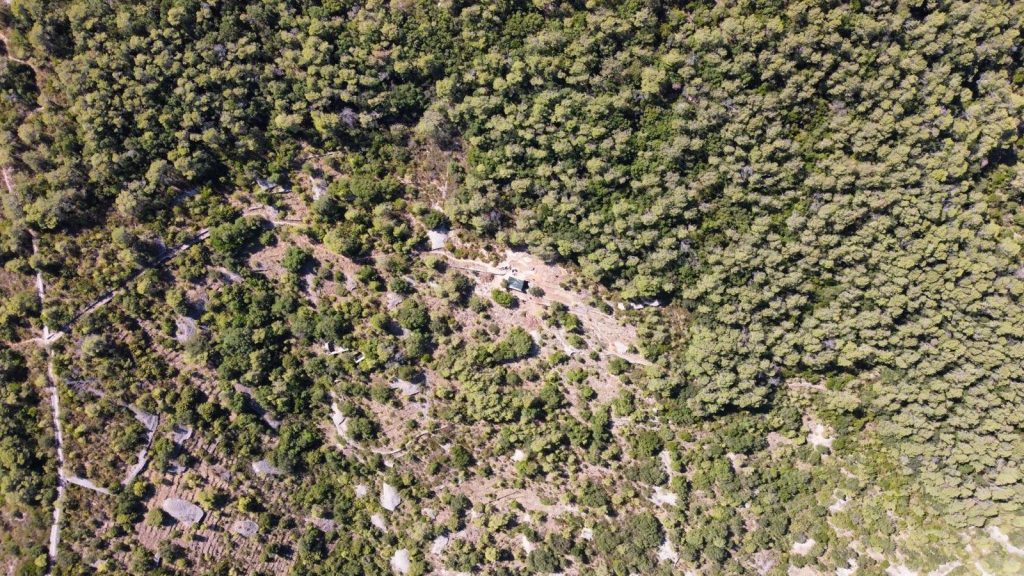
    From a bird’s-eye perspective, the proportions of our endeavour became even clearer:

    ISSA in September of 2021

    What you can see beneath the house is the so-called “Sinov Dolac” or “Snova Dolca”,  in translation “Son’s Valley” or even “Dream Valley,”  but there are also other interpretations that point towards the meaning of the ancient Greek word “xenos” (guest), linked to the concept of hospitality.

    We have been exploring the area, breaking through thickets of plants, and collapsed dry stone walls, losing ourselves in nature that, in the absence of humans and human activity, once again took over the hill and valley where future ISSA is being born.

    But as much as you wander around – and it takes a lot of time and resourcefulness, both of which we have plenty of – you can’t really get the whole picture. You can, of course, smell and find various sorts of plants, touch different trees, and lose any conception of time. You can figure out where dry stone is leading and what the functions of the overall composition of this traditional Mediterranean architecture are, but you are still in the midst of a jungle without having an overview of the terrain.

    You can slowly decipher this hundreds-of-years-old composition if you look at it from a bird’s-eye perspective. What you can see now is not only the old stone house, our future library, and social centre; suddenly there is a whole village emerging, with the dry stone walls serving both as boundaries between terrains, protection from winds, and as pathways through which various houses were connected.

    ISSA in September of 2021

    According to the islanders, those who worked in “Sinov Dolac” as children, this entire area was once covered in fertile vineyards that were last cultivated 60-70 years ago. Each stone wall tells a story of human persistence and determination in realizing the dream of turning this inaccessible part of the island into a fertile land that will feed generations.

    This connection, as well as the history of this land, seem appropriate to us. Our dream as well, even if it takes decades, is not short of this ambition.

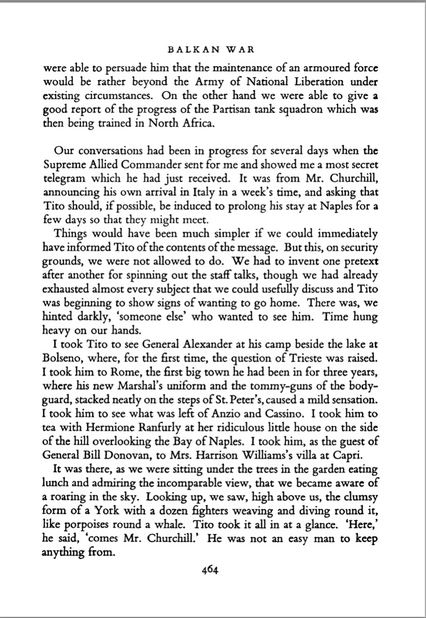
  • Maclean: Island Base and Brief Encounter

    Maclean: Island Base and Brief Encounter

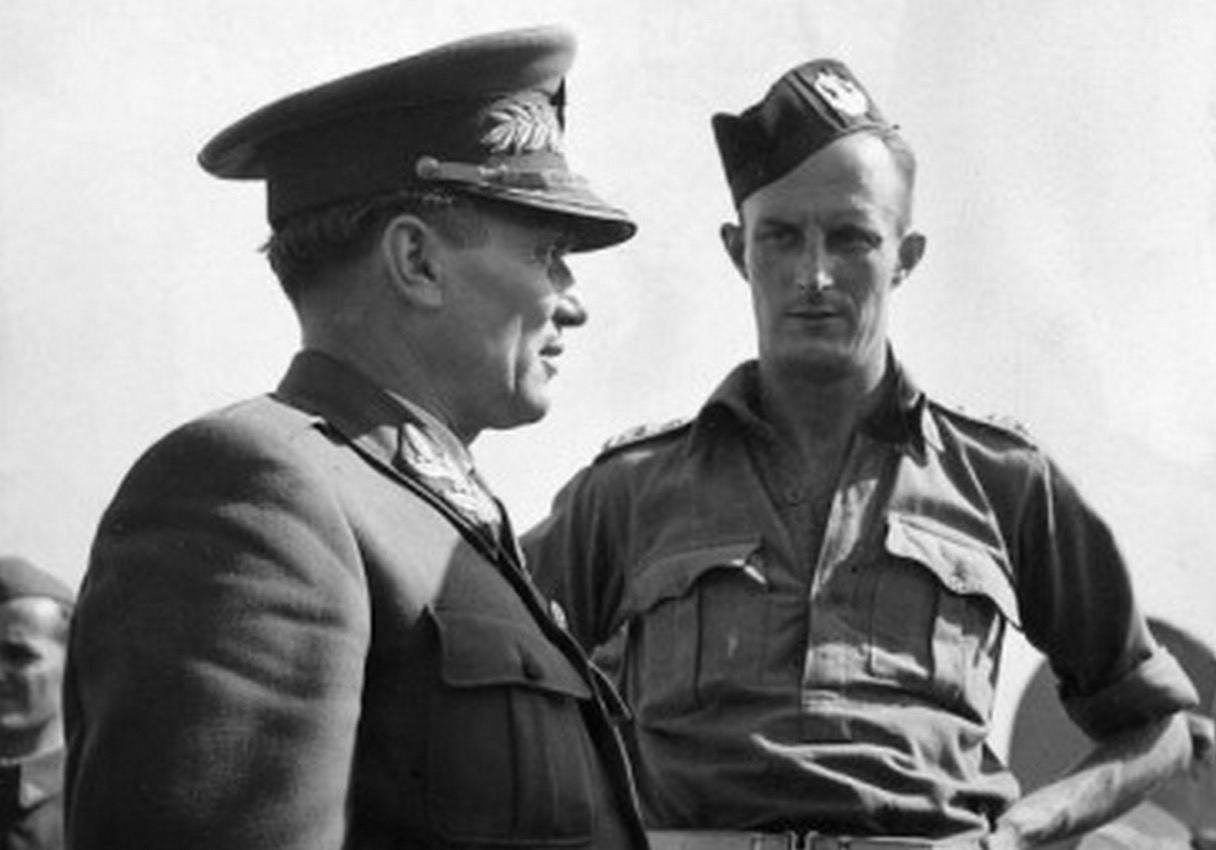
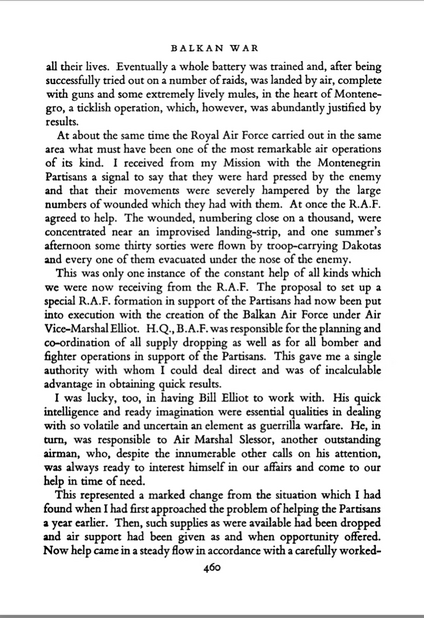
    Eastern Approaches: Fitzroy Maclean about Vis and his encounter with Tito.

    d

    Tito & Fitzroy Maclean
  • A Conversation with Bifo: Future Islands

    A Conversation with Bifo: Future Islands

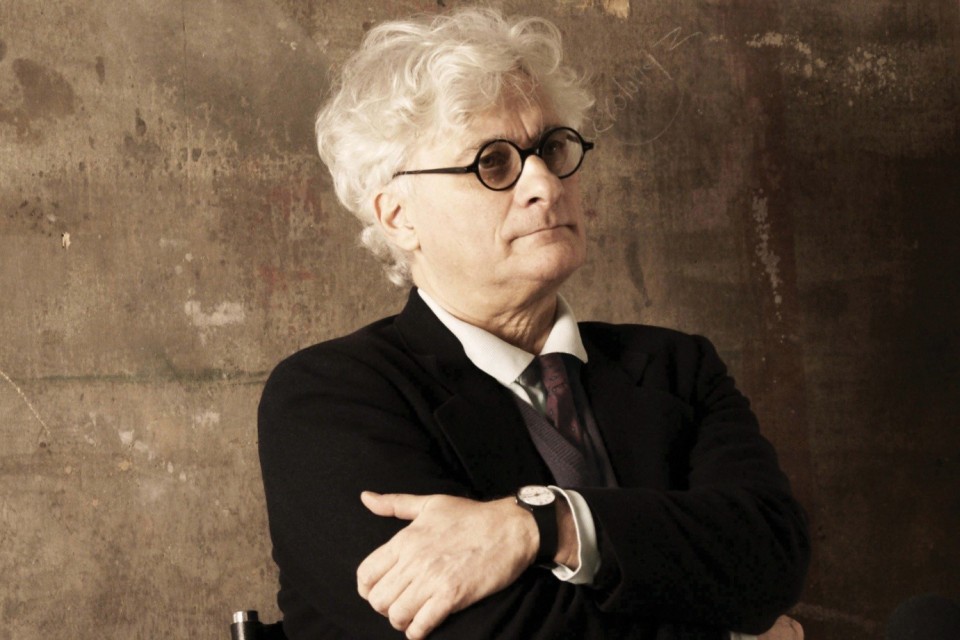
    On the 28th of July 2021, !Mediengruppe Bitnik recorded Franco “Bifo” Berardi in conversation with Srećko Horvat and Saša Savanović on Vis. The conversation is about the meaning of the notion of “island”, autonomy, pleasure and death, extinction and resistance. And, of course, about the necessity and multiplicity of possibilities for the School of ISSA. The conversation was recorded on a very hot day (temperatures were hitting 40 °C), and just as the sun was setting, Bifo described it as a Philip K. Dick sun. The conversation took place a few days after Bifo visited ISSA for the first time.

    Listen to the full conversation here:

  • Tin Ujević: Nit u srcu mora – Komiža na Visu

    Tin Ujević: Nit u srcu mora – Komiža na Visu

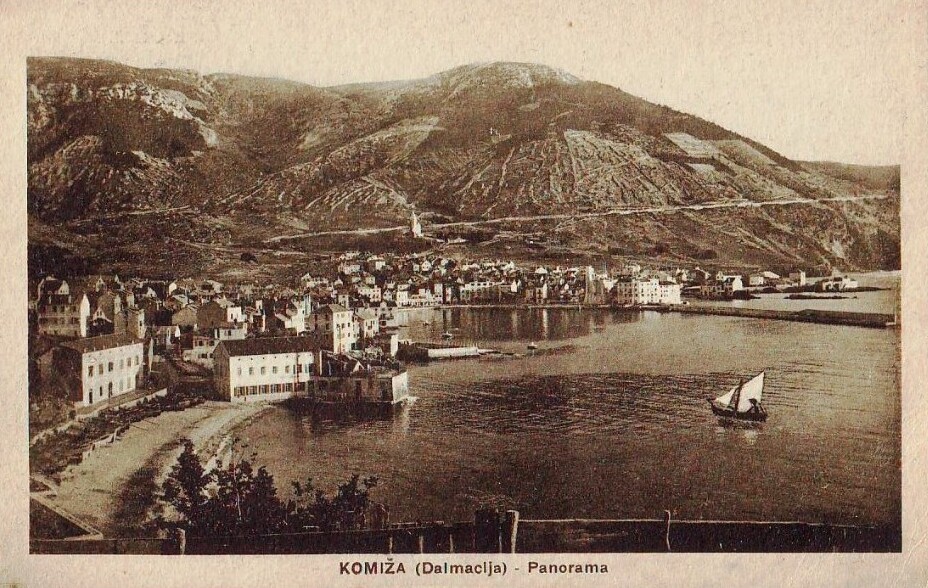
    Komiža 1930. godine kada je Tin Ujević napisao ovaj tekst

    Nalazim se na jadranskim Filipinima. Američani ne mogu naći ljepšu vedrinu na Havajima nego ja ovdje. Nalazim se u dubokom srcu dubokoga mora. Ovamo su me odista vile donijele, u nepoznatom nadnevku kada je globus zadrijemao i nitko nije mogao da me primijeti. Ja sam u carstvu pustolovina, u čudu događaja. Konačno sam doživio da je svijet zaboravio. I postao sam vlasnik jednog otajstva. Otputovao sam ravno prema pravoj slobodi, na jadranski front, na domaku Monte Gargana. I našao sam prije spontan, bolji nego da predstavljam svjetski PEN-club. Badava je to govoriti: Dalmacija, Jadran. Nego ovamo treba dohrliti, na Vis, kamo je stiglo dosta malo Čehoslovaka, i još dalje, na Biševo, na Svetog Andriju, na Palagruž. Poslije toliko godina trome sjedećivosti konačno me zahvatio talas epopeje. I to tako neodoljivo da će sada sva srca sa mnom zatreperiti, da će me svaka ljepota zavoljeti i blagosloviti.

    Ležim na krevetu i kroz prozor preko drvenoga zaslona vidim modri trokut neba koji mi se sprva čini skut sušene oprave neke imaginarne dame koju motrim s osjećajem erotičnog fetišizma, a gotovo i religiozno. Ja znam da je gore vasiona, puna simbolskih zbivanja, a ovo je plava koprena za koju se grčevito hvatam. Ne, danas više nisam brodolomac. Život biva san, ali sladak, ljubak i raskošan san.

    Trenutno sam možda na jednom ostrvu koje nije zabilježeno na geografskim kartama, te ni sam ne znam gdje je, pošto sam prethodno s motornim čamcem dodirnuo talijansku pustu obalu. Jedan mi improvizirani pilot donosi moju zračnu poštu. Šalim se s ovim novim (Charlesom) Lindberghom koji je čak ovamo doletio:

    – Sportski se šampioni, premda obasuti pohvalama, i ukoliko samo ne dobiju nagrade za pobijene rekorde, nažalost smatraju krepkim mangupima koji su pripravni da sasvim badava, za koje babe brašno, polome kosti. No na moru je sigurnije.

    Čitam pisma. Pišu mi filmske dive, markize, krojačice, kćeri finansijskih velmoža, studentice, Missove, nagrađene elegancije, razni narod. Mnogo komplimenata, mnogo lijepih riječi, mnogo uzdaha, ali na uzvrat nijedna doznačnica. Što je već teže, jedna me strahovito bogata Američanka moli da je povedem pred oltar. A i ona je ljepotica da zavrti mozgom. Nisam se nikada smatrao baš lijep, neki Antinous, pa ne razumijem kako su me odjedared tolike žene zavoljele, čak i dame, i to širom svijeta, čak do Hollywooda. Mora da moja jadranska propaganda riječju, kretanjem i spisom ima uspjeha. A ma nekako nisam u eri pisanja stihova za albume, a i na poštu ne kratim ići iz lijenosti. Srce, šaljem ti hladnu dopisnicu. Neka svima mjesto mene moj zračni povjerenik razdijeli mnogo cjelova. Ja ću ostati ovdje u polipskoj samoći da natapam podmorske bašte opletene oko koralnih hridina gdje se neizrecivi biseri talože u bolesne, ranjene školjke.

    Sad ovdje kraljujem, a vjeruju da nisam moć da obaram otoke u umiljate pučine, kao da sam sâm Vulkan, ili posjednik kompleksa Bimini. Neću da vam kažem kojega divnog preliva bijaše svila mora kada smo se primakli ratištu Tegetthoffa iz godine 1866.[1] I sada tu strši pramac jednoga talijanskoga parobroda koji je još onomad tovario kamen i ekrazit, ali se umorna momčad napila, zaspala i u mrkloj noći udarila o liticu.

    Ovi ribari žive u beskonačnoj i neiskazanoj poeziji na kojoj im svi sretnici moraju zavidjeti, a ja još i više. Mislim da bi siromašni književnici i umjetnici problem umjetnosti mogli riješiti ispomažući se ribarstvom kada bi bilo dobrih ljudi da im kupe čamac, mreže, udice, parangale i osti. Inače, trebalo bi osnovati književno-ribarsku Ligu za samopomoć. Na to sam već više puta pomišljao, tako i prošle zime, pa ipak ne mogoh da spojim kraj s krajem i tako riješim problem najslobodnijeg opstanka.

    Ovdje sam prvo našao slikara Foretića koji me je, šepesajući u dosadi svagdašnjice, sjetio na ulicu Delambre, u kojoj sam i sâm neko vrijeme stanovao u hotelu „Zürich“, gdje se našao s Arhipenkom i Zadkinom. Onda Majakovskoga, koji mi na odlasku darova flašicu strahovite votke koje je utisak gori nego kojeg eksploziva. Onda napokon jednoga mladoga slikara koji, nezavisniji nego Ciganin pod svojom čergicom, živi među ribarima na Svetom Andriji. Divna romantika, ovaj put. Instalirali smo i bežičnu postaju, a već je prije (Ljubomir) Micić iz Pariza pisao da „moje kuđenje u J. P.[2] više cijeni nego tuđe pohvale“. Sjedio sam i s elitom mjesne inteligencije, a župni ured imao je blagohotnost da mi pokloni tri knjige (štampane 1875, 83. i 85. u Zadru) komiškoga filozofa Antuna Petrića (1829–1908). Njegovi poštovatelji i rođaci obećali su i podatke o njemu, naročito dijelove dopisivanja. Govore da je ovaj svećenik bio samotar, a svoj je sokratizam dotle dotjerao da je misio kod svoje kuće i u gotovom plaćao honorar sakupljenim vjernicima.

    Dakako da sam se raspitao za ribu. Ovo je lovište jedinstveno u Dalmaciji, svaki dan vagoni divne ribe, te je temelj otočkog blagostanja. Okusio sam već domaćega zubatca, skuše i sardine iz Mardešićeve tvornice, a ovi stanovnici mora otvorili su mi apetit. Nisam zaboravio da se raspitam za vino koje je čuveno, ali izgleda da treba sporazuma da se ovdje dobije u kafani, pošto ga, nominalno bar, ako ne realno, jer ga toliko i nema, piju cijele oblasti i pokrajine, da ne kažem zemlje. Našao sam i takvih koji kažu da ne znaju što je dingač (u Beogradu znatno popularniji), a dakako da je bilo razgovora i o blatini, žilavici i drugim slavnim proizvodima vinarstva.

    Okupah duh i tijelo u jednoj divnoj, milosrdnoj plaveti, jer odista sô je važnija za čovjeka nego za haringe, i osunčah se za cijelu zimu, na samom izmaku ljeta. U moru sam čak nagazio na ježa koji mi je nekoliko bodljika ostavio u asketskoj peti, a kao pozdrav mora dodirnula me je jedna velika sluzovača koju nisam mario izvlačiti na suho. Neka biće živi! Morski psi se nisu pojavili, mada je signalizirano da im je izdata uputa da paze dokle ću doplivati. Mislim da će dječica koja se ovdje kupaju biti zdrava kao kremen, žilava i imati energije u životu; u najmanju ruku bit će ljudi koji cijene vodu i konsekutni učinak pranja u čistoj i živoj vodi.

    Napokon sam lično u jednoj oplakanoj, okupanoj pustari reperirao nemoguću stvar, sreću. Bio je to bijeg iz svih tlačenja stvarnosti. Ovdje sam poprimio u se dušu svih beskonačnih mora na kojima nisam nikada povraćao, i tko ne bi htio da živi ovako u prirodi, u jednoj oceanskoj, otahitskoj sreći? Rekoh: Vis mi je miliji nego cijeli Jadran, a Sveti Andrija mi je miliji čak i od Visa. K meni doploviše atlantske i pacifičke vode, a ne samo Jadran. A ta Hadrija, rekoh slušačima, dolazi od dravidske riječi „Hodru“, što na dravidskom znači Ponor (abyssus), jer je u pradrevna vremena ovdje voda odista provalila i potopila obitavane i obrađene predjele.

    Jedna pitoma Sušačanka, koja je vidjela Rab i Crikvenicu, priča mi da je ovdje krajolik „divlji“, ali nalazim da bih se morao poslužiti mnogo izbrušenijim, slikanim rječnikom za ovaj gledani, nijemi osjećaj. Tako je divan da se ne bih mario vratiti u civilizaciju. Ribari, ribari, ribari! Cijeli dio mjesta miriše na srdelu i srdelino ulje, a uz jednu obalnu padinu gomila limenih kutija. Izgubio sam se, prešao u čistu fantastiku. Jednoga putnika ovo sjeća na Bretagnu (Bretanja), ali mislim da je Bretagna drugačija, sumornija. Zaronio sam u sakritu vodu da izronim s bisernim kapitalom.

    (1930)


    Jadranska pošta, VI, br. 197, Split, 28. VIII 1930 (napisano 16. VIII).Tin Ujević, Izabrana djela, Knjiga treća, Proza, str. 167–170, Beograd, 1964. Izdavači: Naprijed (Zagreb), Prosveta (Beograd), Svjetlost (Sarajevo).Objavljeno 5. VII 2014.

  • Gilles Deleuze: Desert Islands

    Gilles Deleuze: Desert Islands

    Desert Islands

    Geographers say there are two kinds of islands. This is valuable information for the imagination because it confirms what the imagination already knew. Nor is it the only case where science makes mythology more concrete, and mythology makes science more vivid. Continental islands are accidental, derived islands. They are separated from a continent, born of disarticulation, erosion, fracture; they survive the absorption of what once contained them. Oceanic islands are originary, essential islands. Some are formed from coral reefs and display a genuine organism. Others emerge from underwater eruptions, bringing to the light of day a movement from the lowest depths. Some rise slowly; some disappear and then return, leaving us no time to annex them. These two kinds of islands, continental and originary, reveal a profound opposition between ocean and land. Continental islands serve as a reminder that the sea is on top of the earth, taking advantage of the slightest sagging in the highest structures; oceanic islands, that the earth is still there, under the sea, gathering its strength to punch through to the surface. We can assume that these elements are in constant strife, displaying a repulsion for one another. In this we find nothing to reassure us. Also, that an island is deserted must appear philosophically normal to us. Humans cannot live, nor live in security, unless they assume that the active struggle between earth and water is over, or at least contained. People like to call these two elements mother and father, assigning them gender roles according to the whim of their fancy. They must somehow persuade themselves that a struggle of this kind does not exist, or that it has somehow ended. In one way or another, the very existence of islands is the negation of this point of view, of this effort, this conviction. That England is populated will always come as a surprise; humans can live on an island only by forgetting what an island represents. Islands are either from before or for after humankind. But everything that geography has told us about the two kinds of islands, the imagination knew already on its own and in another way. The elan that draws humans toward islands extends the double movement that produces islands in themselves. Dreaming of islands—whether with joy or in fear, it doesn’t matter—is dreaming of pulling away, of being already separate, far from any continent, of being lost and alone—or it is dreaming of starting from scratch, recreating, beginning anew. Some islands drifted away from the continent, but the island is also that toward which one drifts; other islands originated in the ocean, but the island is also the origin, radical and absolute. Certainly, separating and creating are not mutually exclusive: one has to hold one’s own when one is separated, and had better be separate to create anew; nevertheless, one of the two tendencies always predominates. In this way, the movement of the imagination of islands takes up the movement of their production, but they don’t have the same objective. It is the same movement, but a different goal. It is no longer the island that is separated from the continent, it is humans who find themselves separated from the world when on an island. It is no longer the island that is created from the bowels of the earth through the liquid depths, it is humans who create the world anew from the island and on the waters. Humans thus take up for themselves both movements of the island and are able to do so on an island that, precisely, lacks one kind of movement: humans can drift toward an island that is nonetheless originary, and they can create on an island that has merely drifted away. On closer inspection, we find here a new reason for every island to be and remain in theory deserted.

    An island doesn’t stop being deserted simply because it is inhabited. While it is true that the movement of humans toward and on the island takes up the movement of the island prior to humankind, some people can occupy the island—it is still deserted, all the more so, provided they are sufficiently, that is, absolutely separate, and provided they are sufficient, absolute creators. Certainly, this is never the case in fact, though people who are shipwrecked approach such a condition. But for this to be the case, we need only extrapolate in imagination the movement they bring with them to the island. Only in appearance does such a movement put an end to the island’s desertedness; in reality, it takes up and prolongs the elan that produced the island as deserted. Far from compromising it, humans bring the desertedness to its perfection and highest point. In certain conditions which attach them to the very movement of things, humans do not put an end to desertedness, they make it sacred. Those people who come to the island indeed occupy and populate it; but in reality, were they sufficiently separate, sufficiently creative, they would give the island only a dynamic image of itself, a consciousness of the movement which produced the island, such that through them the island would in the end become conscious of itself as deserted and unpeopled. The island would be only the dream of humans, and humans, the pure consciousness of the island.

    For this to be the case, there is again but one condition: humans would have to reduce themselves to the movement that brings them to the island, the movement which prolongs and takes up the elan that produced the island. Then geography and the imagination would be one. To that question so dear to the old explorers—”which creatures live on deserted islands?”—one could only answer: human beings live there already, but uncommon humans, they are absolutely separate, absolute creators, in short, an Idea of humanity, a prototype, a man who would almost be a god, a woman who would be a goddess, a great Amnesiac, a pure Artist, a consciousness of Earth and Ocean, an enormous hurricane, a beautiful witch, a statue from the Easter Islands. There you have a human being who precedes itself. Such a creature on a deserted island would be the deserted island itself, insofar as it imagines and reflects itself in its first movement. A consciousness of the earth and ocean, such is the deserted island, ready to begin the world anew. But since human beings, even voluntarily, are not identical to the movement that puts them on the island, they are unable to join with the elan that produces the island; they always encounter it from the outside, and their presence in fact spoils its desertedness. The unity of the deserted island and its inhabitant is thus not actual, only imaginary, like the idea of looking behind the curtain when one is not behind it. More importantly, it is doubtful whether the individual imagination, unaided, could raise itself up to such an admirable identity; it would require the collective imagination, what is most profound in it, i.e. rites and mythology.

    In the facts themselves we find at least a negative confirmation of all this, if we consider what a deserted island is in reality, that is, geographically. The island, and all the more so the deserted island, is an extremely poor or weak notion from the point of view of geography. This is to its credit. The range of islands has no objective unity, and deserted islands have even less. The deserted island may indeed have extremely poor soil. Deserted, the island may be a desert, but not necessarily. The real desert is uninhabited only insofar as it presents no conditions that by rights would make life possible, whether vegetable, animal, or human. On the contrary, the lack of inhabitants on the deserted island is a pure fact due to circumstance, in other words, the island’s surroundings. The island is what the sea surrounds and what we travel around. It is like an egg. An egg of the sea, it is round. It is as though the island had pushed its desert outside. What is deserted is the ocean around it. It is by virtue of circumstance, for other reasons than the principle on which the island depends, that ships pass in the distance and never come ashore. The island is deserted more than it is a desert. So much so, that in itself the island may contain the liveliest of rivers, the most agile fauna, the brightest flora, the most amazing nourishment, the hardiest of savages, and the castaway as its most precious fruit, it may even contain, however momentarily, the ship that comes to take him away. For all that, it is not any less a deserted island. To change this situation, we would have to overhaul the general distribution of the continents, the state of the seas, and the lines of navigation.

    This is to state once again that the essence of the deserted island is imaginary and not actual, mythological and not geographical. At the same time, its destiny is subject to those human conditions that make mythology possible. Mythology is not simply willed into existence, and the peoples of the earth quickly ensured they would no longer understand their own myths. It is at this very moment  literature begins. Literature is the attempt to interpret, in an ingenious way, the myths we no longer understand, at the moment we no longer understand them, since we no longer know how to dream them or reproduce them. Literature is the competition of misinterpretations that consciousness naturally and necessarily produces on themes of the unconscious, and like every competition it has its prizes. One would have to show exactly how in this sense mythology fails and dies in two classic novels of the deserted island, Robinson and Suzanne. Suzanne and the Pacific emphasizes the separated aspect of islands, the separation of the young woman who finds herself there;1 Robinson Crusoe, the creative aspect, the beginning anew. It is true that the way mythology fails is different in each case. In the case of Giraudoux’s Suzanne, mythology dies the prettiest, most graceful death. In Robinson’s case, its death is heavy indeed. One can hardly imagine a more boring novel, and it is sad to see children still reading it today. Robinson’s vision of the world resides exclusively in property; never have we seen an owner more ready to preach. The mythical recreation of the world from the deserted island gives way to the reconstitution of everyday bourgeois life from a reserve of capital. Everything is taken from the ship. Nothing is invented. It is all painstakingly applied on the island. Time is nothing but the time necessary for capital to produce a benefit as the outcome of work. And the providential function of God is to guarantee a return. God knows his people, the hardworking honest type, by their beautiful properties, and the evil doers, by their poorly maintained, shabby property. Robinson’s companion is not Eve, but Friday, docile towards work, happy to be a slave, and too easily disgusted by cannibalism. Any healthy reader would dream of seeing him eat Robinson. Robinson Crusoe represents the best illustration of that thesis which affirms the close ties between capitalism and Protestantism. The novel develops the failure and the death of mythology in Puritanism. Things are quite different with Suzanne. In her case, the deserted island is a depository of ready-made, luxurious objects. The island bears immediately what it has taken civilization centuries to produce, perfect, and ripen. But mythology still dies, though in Suzanne’s case it dies in a particularly Parisian way. Suzanne has nothing to create anew. The deserted island provides her with the double of every object from the city, in the windows of the shops; it is a double without consistency, separated from the real, since it does not receive the solidity that objects ordinarily take on in human relations, amidst buying and selling, exchanges and presents. She is an insipid young woman. Her companions are not Adam, but young cadavers, and when she reenters the world of living men, she will love them in a uniform way, like a priest, as though love were the minimum threshold of her perception.

    What must be recovered is the mythological life of the deserted island. However, in its very failure, Robinson gives us some indication: he first needed a reserve of capital. In Suzanne’s case, she was first and foremost separate. And neither the one nor the other could be part of a couple. These three indications must be restored to their mythological purity. We have to get back to the movement of the imagination that makes the deserted island a model, a prototype of the collective soul. First, it is true that from the deserted island it is not creation but re-creation, not the beginning but a re-beginning that takes place. The deserted island is the origin, but a second origin. From it everything begins anew. The island is the necessary minimum for this re-beginning, the material that survives the first origin, the radiating seed or egg that must be sufficient to re-produce everything. Clearly, this presupposes that the formation of the world happens in two stages, in two periods of time, birth and re-birth, and that the second is just as necessary and essential as the first, and thus the first is necessarily compromised, born for renewal and already renounced in a catastrophe. It is not that there is a second birth because there has been a catastrophe, but the reverse, there is a catastrophe after the origin because there must be, from the beginning, a second birth. Within ourselves we can locate the source of such a theme: it is not the production of life that we look for when we judge it to be life, but its reproduction. The animal whose mode of reproduction remains unknown to us has not yet taken its place among living beings. It is not enough that everything begin, everything must begin again once the cycle of possible combinations has come to completion. The second moment does not succeed the first: it is the reappearance of the first when the cycle of the other moments has been completed. The second origin is thus more essential than the first, since it gives us the law of repetition, the law of the series, whose first origin gave us only moments. But this theme, even more than in our fantasies, finds expression in every mythology. It is well known as the myth of the flood. The ark sets down on the one place on earth that remains uncovered by water, a circular and sacred place, from which the world begins anew. It is an island or a mountain, or both at once: the island is a mountain under water, and the mountain, an island that is still dry. Here we see original creation caught in a re-creation, which is concentrated in a holy land in the middle of the ocean. This second origin of the world is more important than the first: it is a sacred island. Many myths recount that what we find there is an egg, a cosmic egg. Since the island is a second origin, it is entrusted to man and not to the gods. It is separate, separated by the massive expanse of the flood. Ocean and water embody a principle of segregation such that, on sacred islands, exclusively female communities can come to be, such as the island of Circe or Calypso. After all, the beginning started from God and from a couple, but not the new beginning, the beginning again, which starts from an egg: mythological maternity is often a parthenogenesis. The idea of a second origin gives the deserted island its whole meaning, the survival of a sacred place in a world that is slow to re-begin. In the ideal of beginning anew there is something that precedes the beginning itself, that takes it up to deepen it and delay it in the passage of time. The desert island is the material of this something immemorial, this something most profound.

    Source: https://monoskop.org/images/2/23/Deleuze_Gilles_Desert_Islands_and_Other_Texts_1953-1974.pdf
  • No Friends but the Mountains

    No Friends but the Mountains

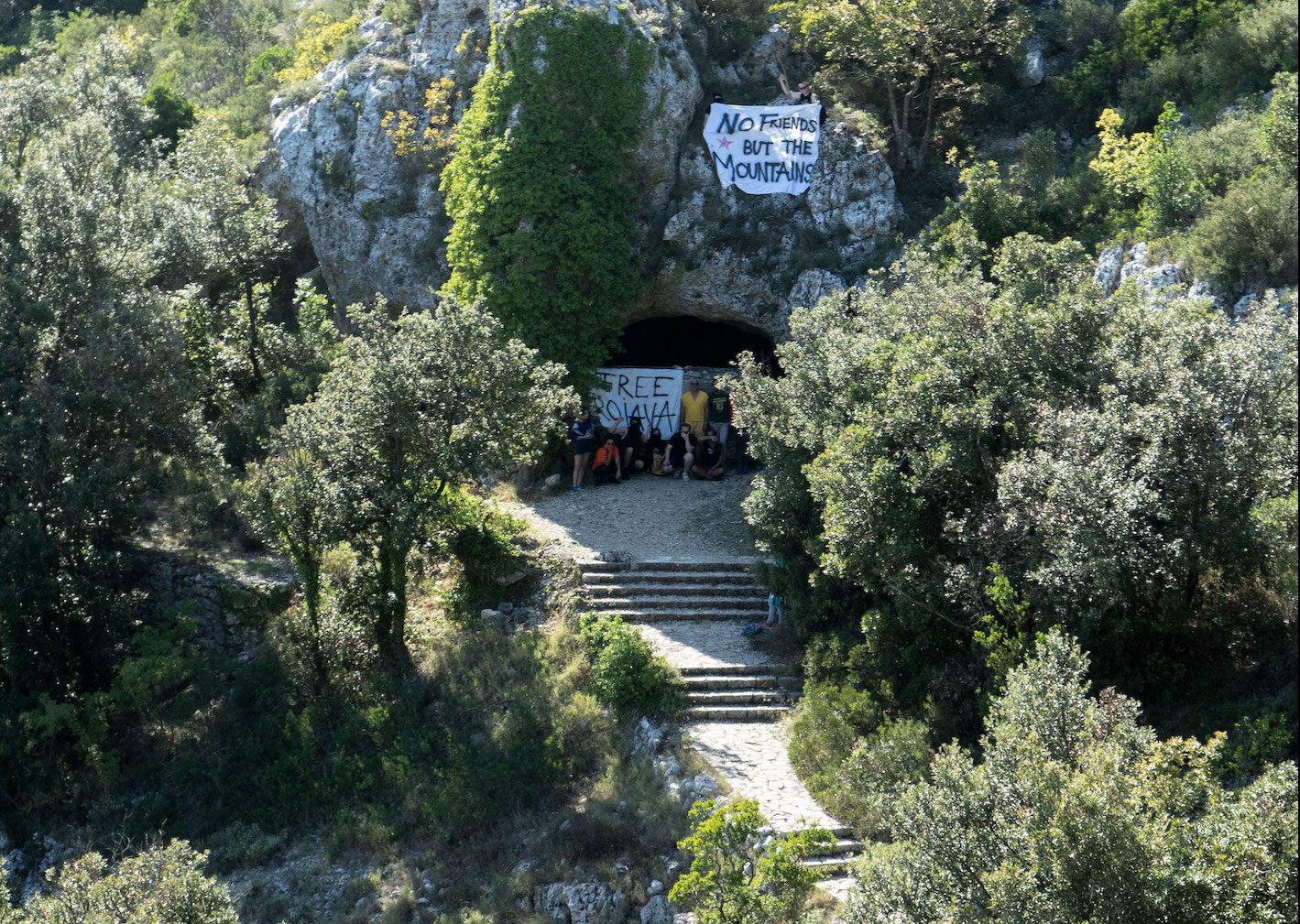
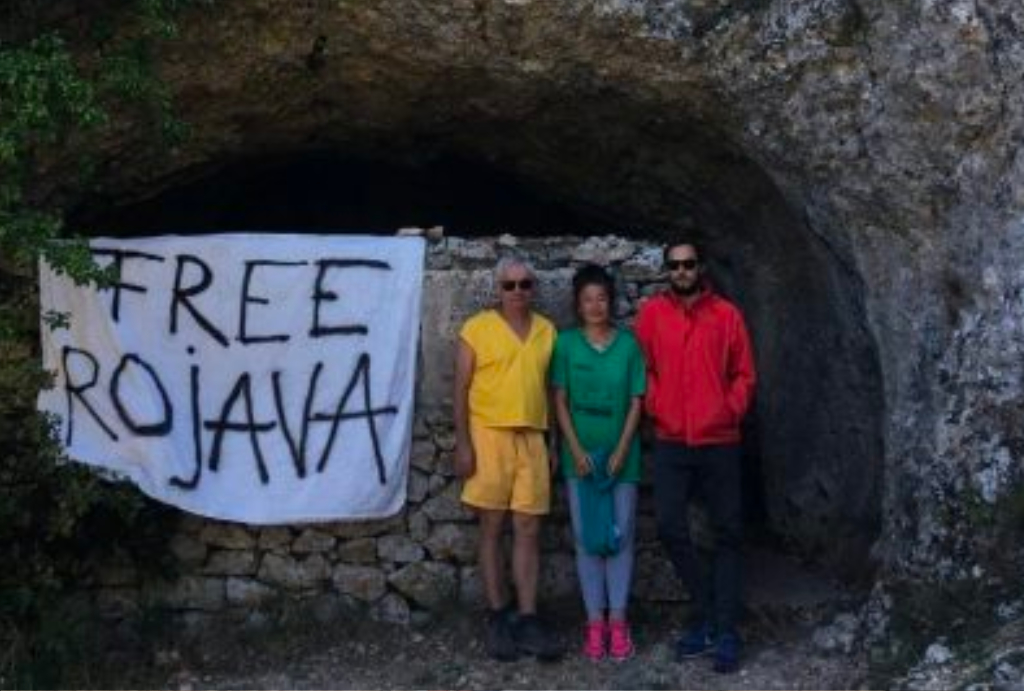
    Even before ISSA was founded – interestingly enough, the School is now located nearby – we have been visiting Tito’s Cave.

    There is a famous Kurdish proverb saying “NO FRIENDS BUT THE MOUNTAINS” that has also reverberated in the hills of Vis.

    Back in October 2019, on the Global Day of Action against Turkey’s occupation of Rojava, filmmaker and artist Hito Steyerl, the first woman to have been listed as the “most influential personality in the international art world”, was joined by philosophers Boris Buden and Srećko Horvat for an action of solidarity.

    The two caves, hidden far from the mainland in the hills of the island of Vis, carry historic significance. Not only is it the place from which the partisan resistance movement managed to defeat a seemingly much more powerful enemy during World War II, but it is also the place from which they, so to speak, broke out of the mountains, liberated the territory of Yugoslavia from occupation, and finally established a new state.

    A rare BBC recording from 1944, when the Partisans were using Vis as their headquarters, describes this resistance: 

    “Across the Adriatic Sea, throughout the once carefree hunting grounds for rich yachts along the Dalmatian coast and in the wild picturesque heights of Yugoslavia, one of the most heroic battles of this war is in progress today . . . These people know what they are fighting for. They have absolute faith that they are right and in their ultimate fate. And it is a great and unique experience in this world of cynicism and divided loyalty to be among them and to be able to help them.”