For many people in Italy, September 8th (1943) is the name of national shame.
As I don’t believe in nations this expression means nothing to me.
However September 8th 1943 means something also to me: the ruining of the Italian society following the collapse of the Army and of the Fascist Regime.
My father told me his personal story: on that day he was in a barrack of Padova, where he was serving as a soldier of the Italian Army engaged in the war alongside the Germans. He was not a fascist nor an anti-fascist. He was a simple person who did not like war.
All of a sudden he received the news: war is over, well not really. The Italian Army is not engaged in the alliance with Germans anymore, but with the Anglo-Americans.
It was not the first time that Italy changed allies at the last moment in order to stay on the winning side.
It had already happened in 1915 when the Italian government accepted the offer of Great Britain and France, and betrayed the central powers entering the First World War with catastrophic results (half million casualties for a war of choice).
In September 1939, after the occupation of Poland, Mussolini was uncertain about what to do, but he decided to go to war on 10 June 1940 when, after the occupation of France by German troops, he became convinced that Hitler would win the war.
Rushing to the rescue of the winner was the opportunistic choice of the fascists, but eventually, things turned bad. Hitler, the supposed winner was halted in Stalingrad, the Americans started bombing the European cities, so Mussolini realized that he was going to lose the war. At that point the fascists entered into a state of mental confusion. On 25 July the Fascists arrested Mussolini and the regime entered a phase of chaos.
On 3 September, General Badoglio, who had been the military commander of the deadly colonial adventures of fascism, signed an armistice with the Anglo-Americans.
At that point, chaos broke out at all levels of the Italian Army and also of Italian society.
Are we still at war?
Who is our ally? The Germans or the Anglo-Americans?
The king and royal family abandoned Rome and eventually fled the country. Mussolini,imprisoned by his fellow fascists, was freed by a German commando and gave birth to the Republic of Salò, entrenched in the northern part of the country.
The Anglo-Americans took control of the southern regions and a part of the disbanded Italian soldiers joined the partisan groups that were spreading throughout the country.
For my father (who was not fond of national pride) it was the beginning of an adventure: he left the army and fled like most of his fellow soldiers. Then he went to the mountains where he met a group of partisans and joined them.
September 8, 1943 is the best testimony of what fascism really is: quackery, arrogance, violence against the weak and compliant submission to the stronger.
A coward and imbecile, Mussolini had decided to go to war when he believed that Hitler had already won.
September 8th 1943 can also be seen as the epitome of the sudden disintegration of a state.
Let’s consider what is happening now, eighty years after.
In many European countries the fascists are back because people are frightened by poverty, migration and the crumbling of the neoliberal promise. Fascists rule Italy, Hungary, Poland, nationalist parties grow in Germany, France and Spain. They promise national glory and the extermination of migrants.
Migrants are murdered all along the border between the North and the South of the world. But national glory means nothing but war, unemployment and fear.
A return of September 8 on a European scale is to be expected.
The fascists of today are not exactly like the fascists of the past century.
Twenty century fascism was all about youth, energy and conquest, the European population of today is senescent, depressed, infertile.
European people are not conquering new territories, they are frightened by the mounting wave of migration.
The eighth of September that comes will not be a mere replay of eighty years ago. Not the political state, not the army are on the brink of collapse: the structures that enable social integration are at stakes.
Climate collapse, militarization, all encompassing precariousness are transforming social life into hell.
This is why we should focus on a single issue: how will we survive?
How can we possibly create the conditions for happy life in the coming disintegration and chaos?
These two questions are the main issue of the Island School of Social Autonomy (ISSA).
Are we really able to create the institution that we need? Certainly not.
We – the small group of friends who launched the project – do not have the means for creating what is needed now.
We don’t have the financial and technical tools that are necessary for such an enormous task.
So what are we going to do in the island of Vis, on September 8th?
We are going to make a call to the cognitive workers of the planet Earth.
A call to start the process of creation of the Island School of Social Autonomy.
Millions of young people know that they will live in hell if we don’t create the conditions to create everywhere islands of self-organization for survival.
Human civilization is under disintegration: if we want to survive, and possibly live happily we must summon the forces of knowledge and innovation in islands of autonomous survival.
Antifascist graffiti from 1940s, “All for the defense of Vis” (Sve za obranu Visa)
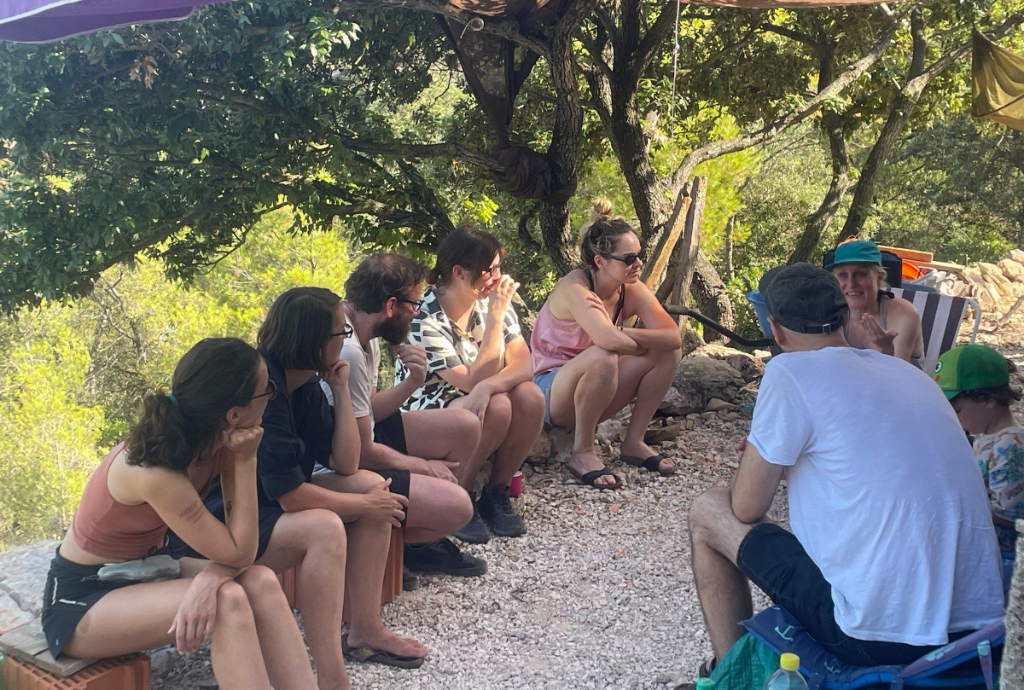
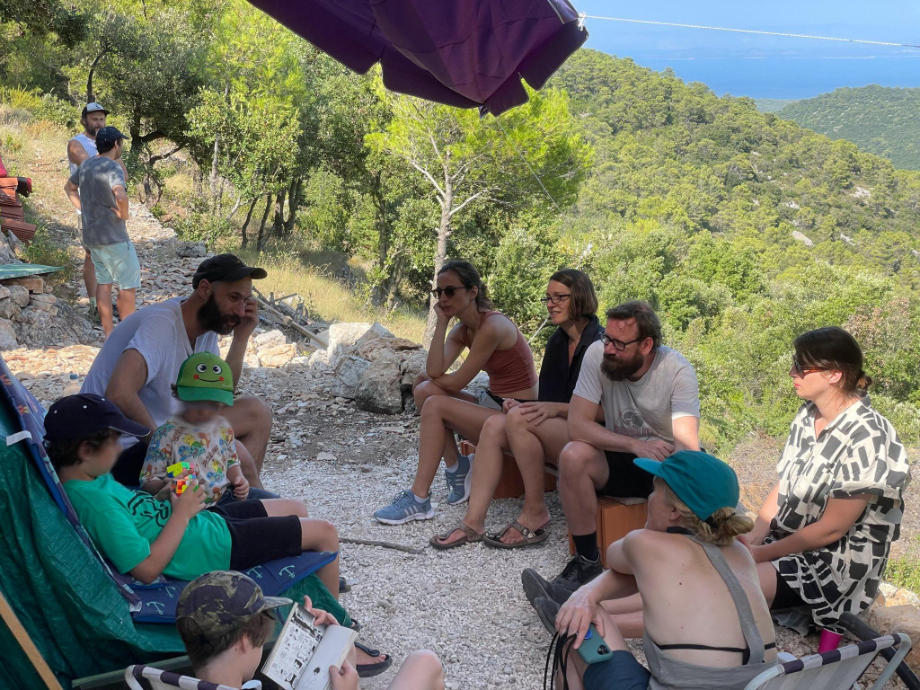
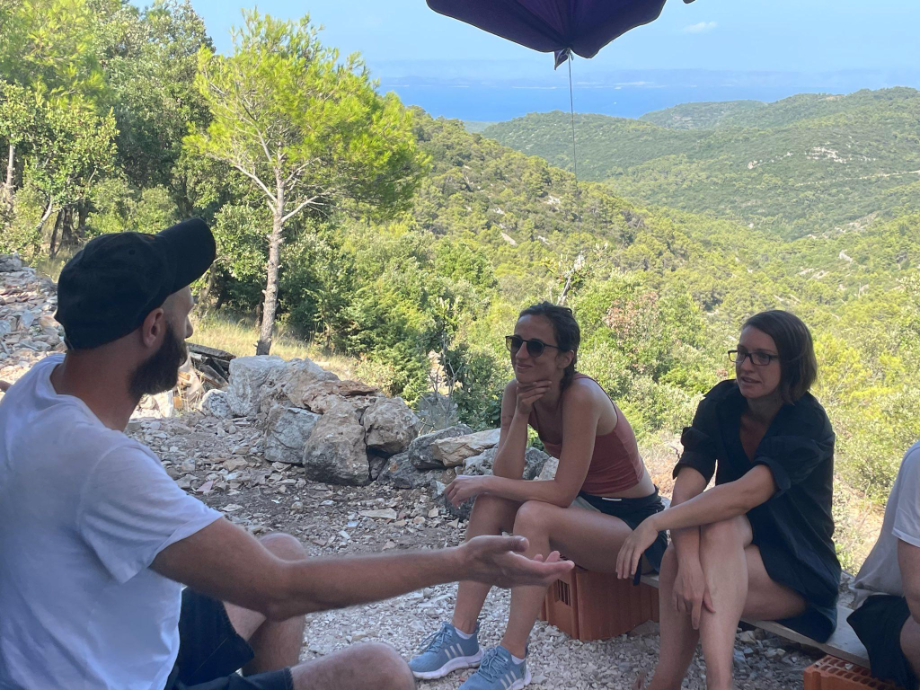
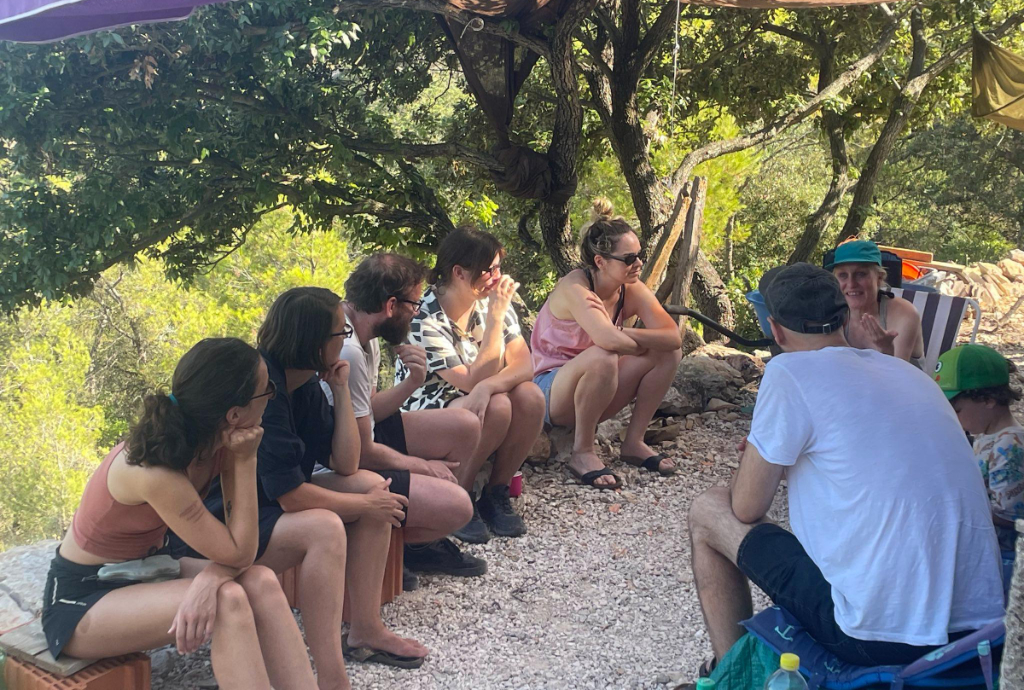
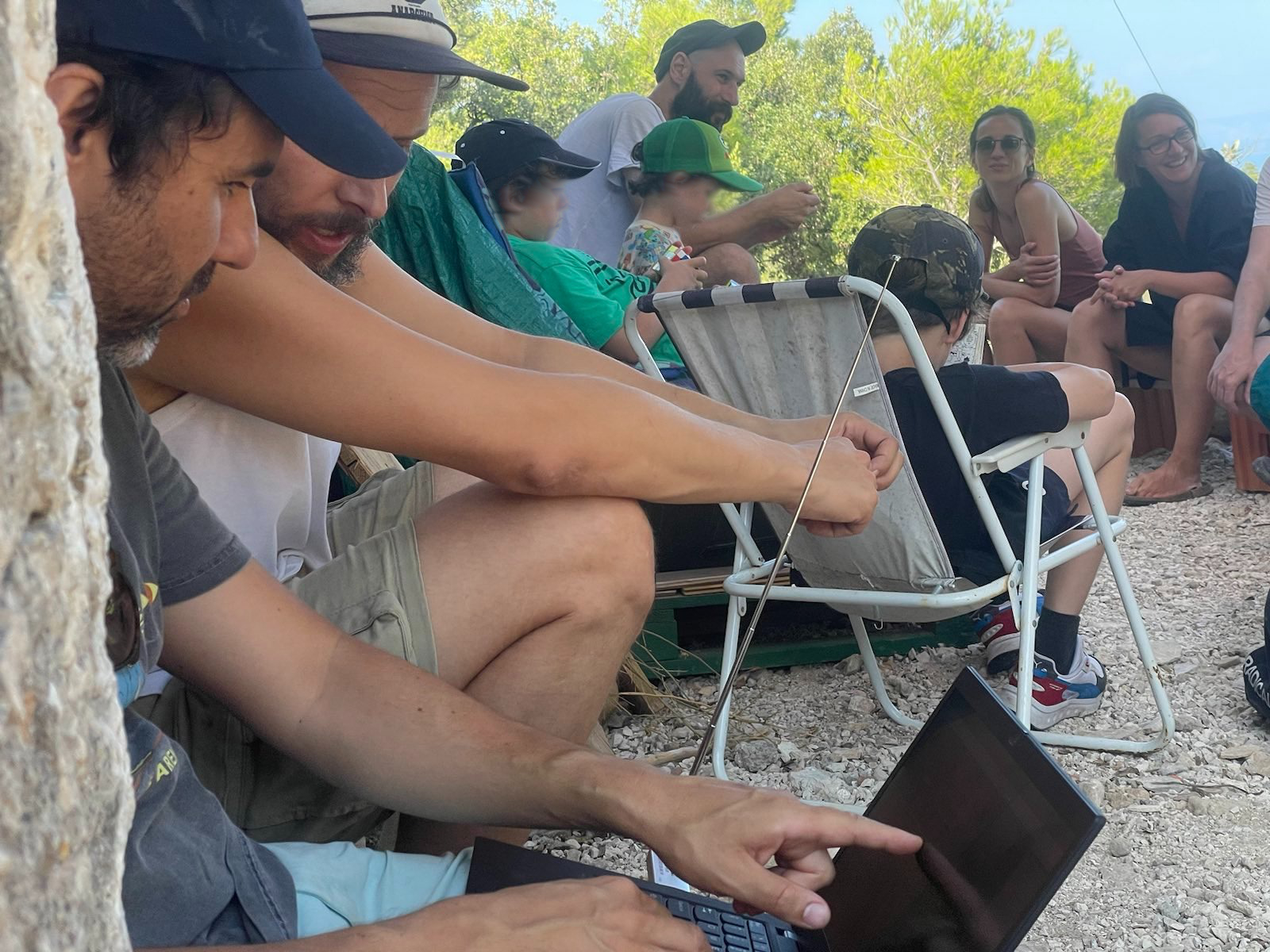
In the summer of 2023, we proudly announced the launch of the ISSA School. There is no exaggeration when we say it was a project in preparation for over two years. Throughout this time, we engaged in discussions regarding various school initiatives. We invested a great deal of physical effort into this remote location. Our heartfelt gratitude extends to all who contributed, whether on site or by offering remote support through advice and donations, all of which will undoubtedly create immense value for the community.
Since the official announcement of the school, we have been fortunate to receive collaboration and support from numerous impressive individuals, collectives and projects, all eager to share their knowledge and lend a helping hand.
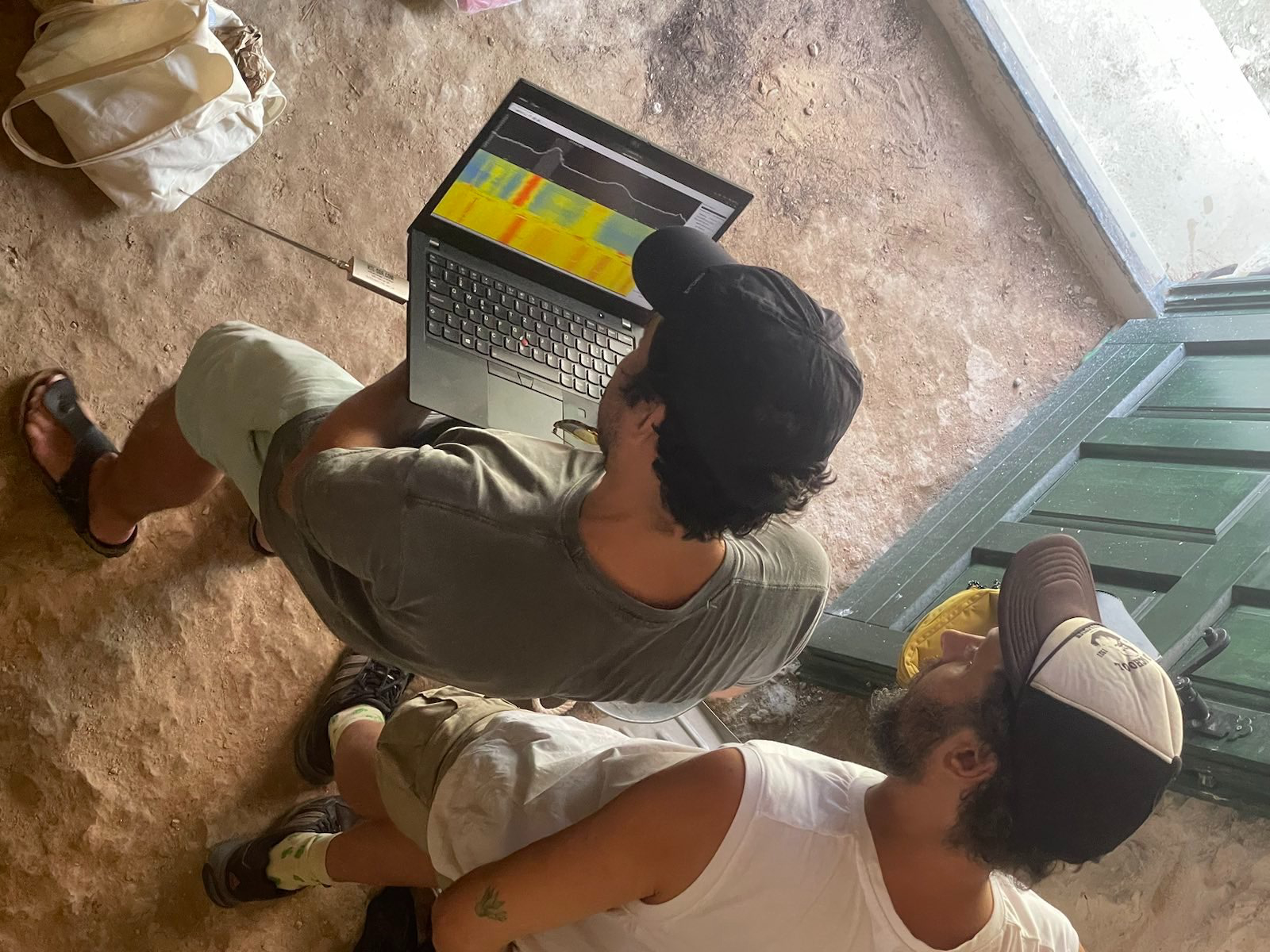
The ISSA School aims to provide enjoyable and educational programs for all generations. Besides hard physical work and fun up in the hills, we were discussing and planning various activities and necessities, from constructing a self-sufficient water system to solar power, from educational hikes around the hills near Tito’s cave to an educational treasure hunt for kids and grown ups interested in the history and the future of the island Vis.
Moreover, this venue will serve – and already serves – as a meeting point for creative and progressive thinkers and doers, fostering the exchange of new perspectives, ideas, and potential collaborations.
We wholeheartedly welcome anyone interested in getting involved, sharing their expertise, or making a donation. ♥️
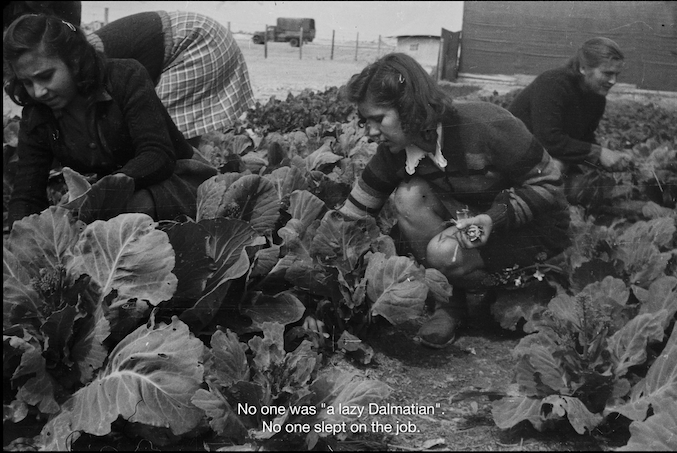
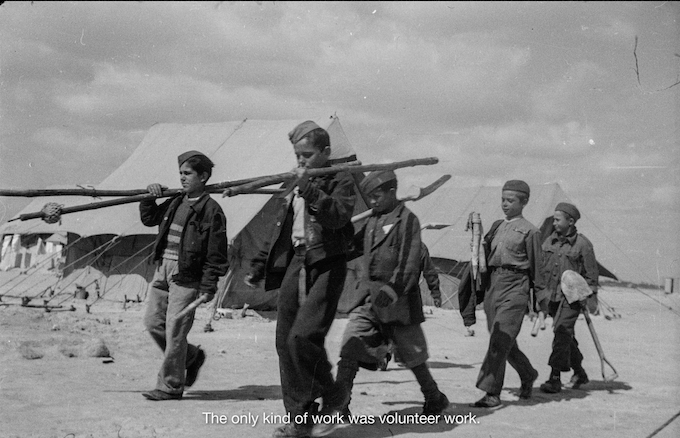
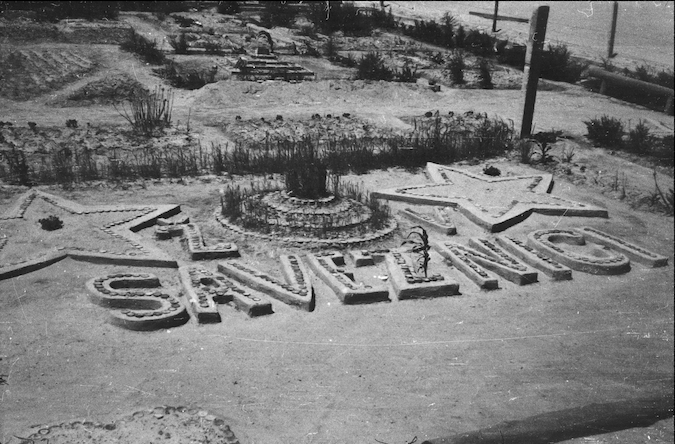
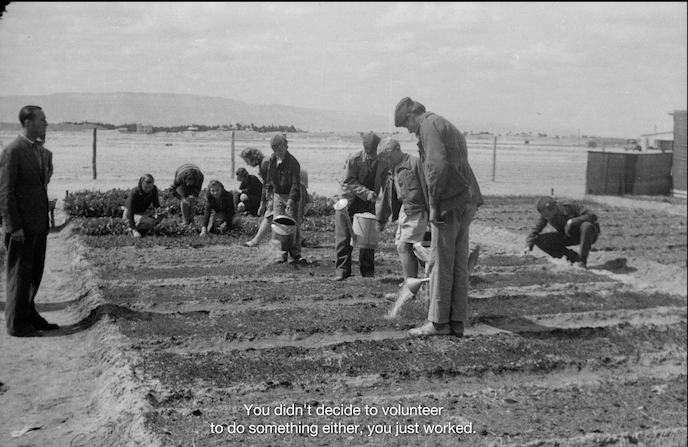
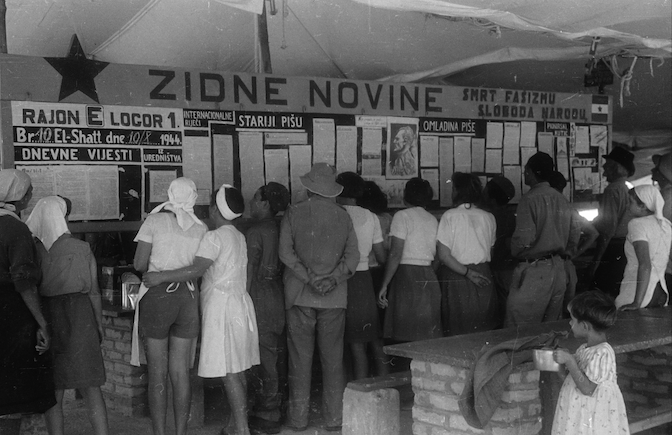
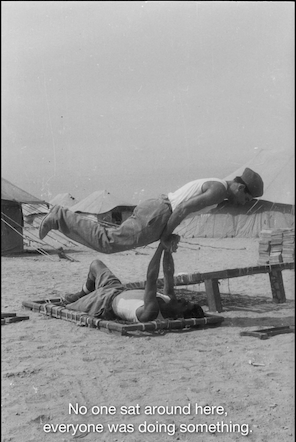
On Monday (31/7/2023) ISSA is organizing a discussion with the director of documentary film “El Shatt – A bluepring for Utopia” Ivan Ramljak and the still living refugees from El Shatt Ružica Poljaković & Mira Poljaković, to be held in Komiža at the summer cinema Kino Mediteran.
More about the movie:
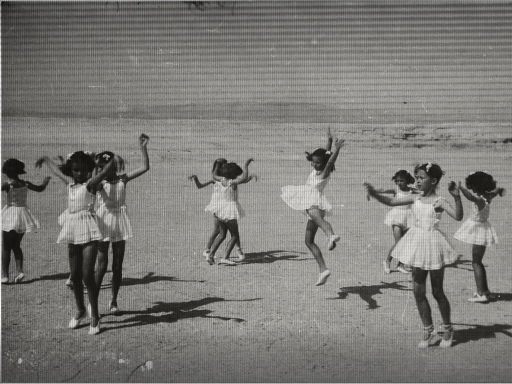
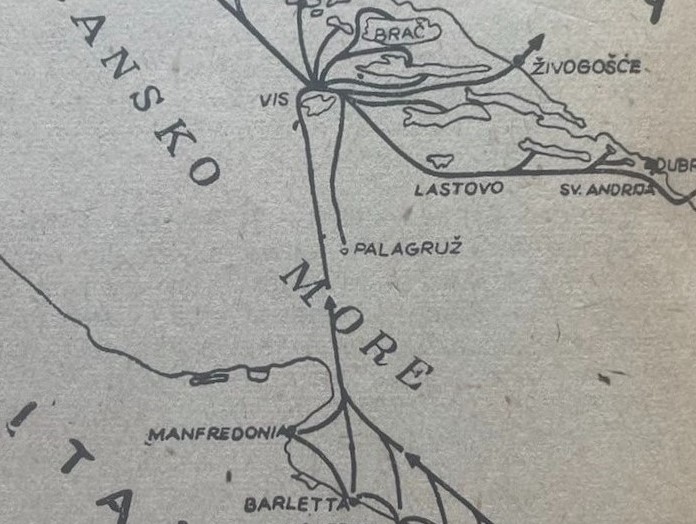
Hundreds of frozen and starved people floating on boats in the middle of the Mediterranean Sea fleeing from the war… Familiar scenes that we are used to seeing in recent times. But the year is 1944, and the refugees are travelling from Europe to Africa. After Italian capitulation, and before the arrival of German army, 28.000 Dalmatian Croats left their home villages and towns to live for two years under the tents in the middle of Egyptian desert, in a kind of a communist model village that was formed to show the Allies how the new Yugoslavia will look like when the war ends. This is a story about them.
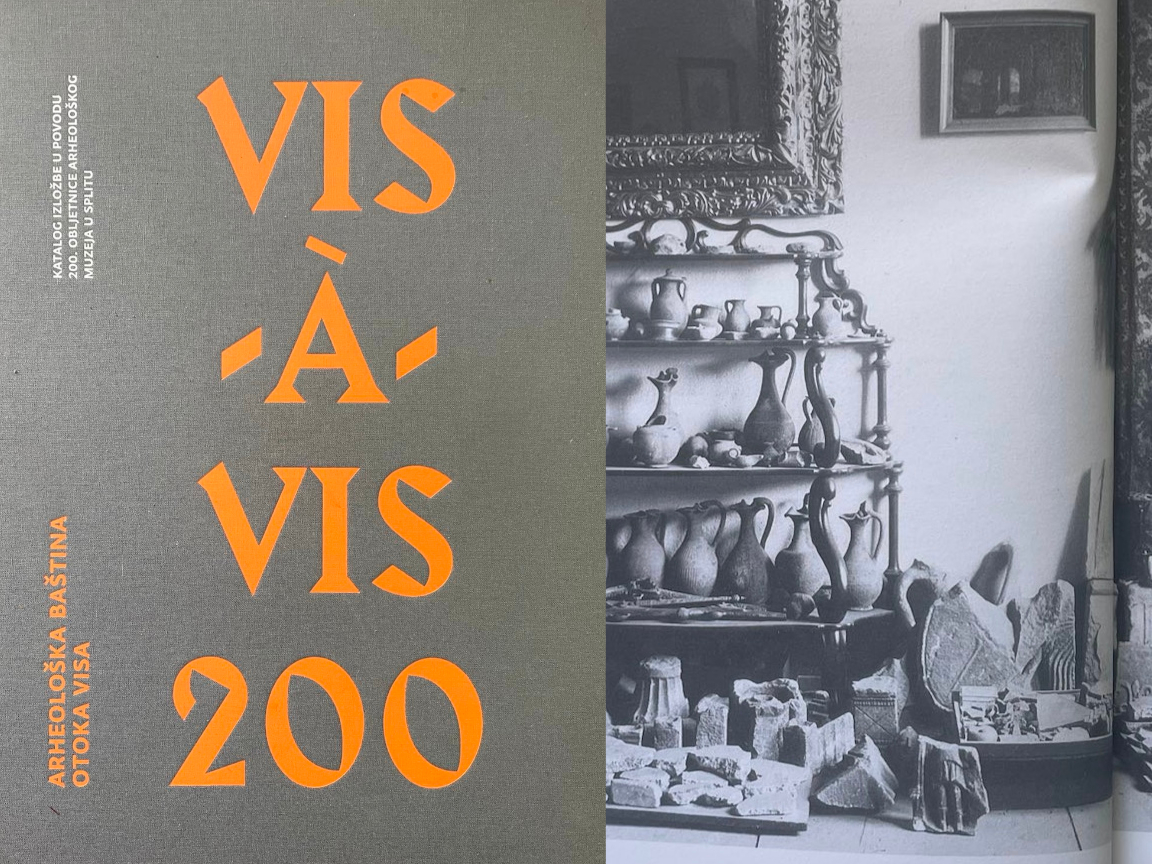
Below, you will find excerpts from the catalogue of the exhibition Vis-à-Vis 200 – The Archaeological Heritage of the Island of Vis. The exhibition showcased a diverse range of artifacts, such as inscriptions, sculptures, ceramics, jewelry, weapons, and more, offering a fascinating glimpse into the island’s earliest traces of life from prehistoric times to the early Middle Ages. The exhibition particularly focused on the dynamic development of the Greek polis of Issa during the Hellenistic period. Take a moment to browse the gallery below and discover it for yourself!
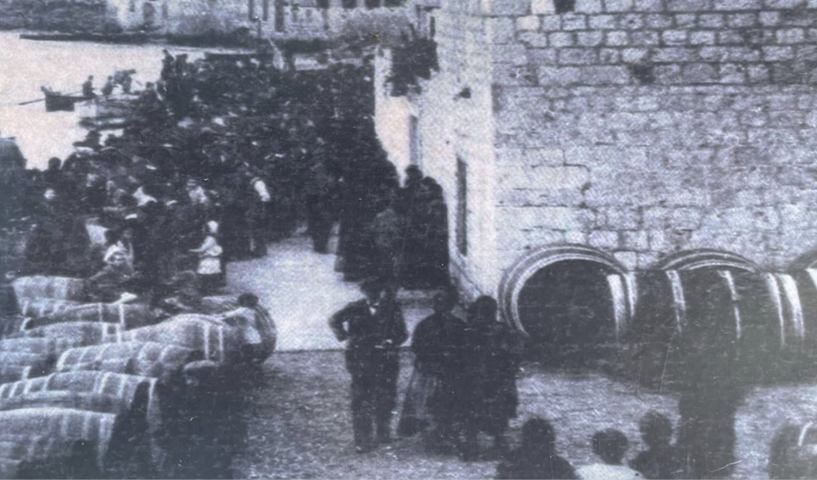
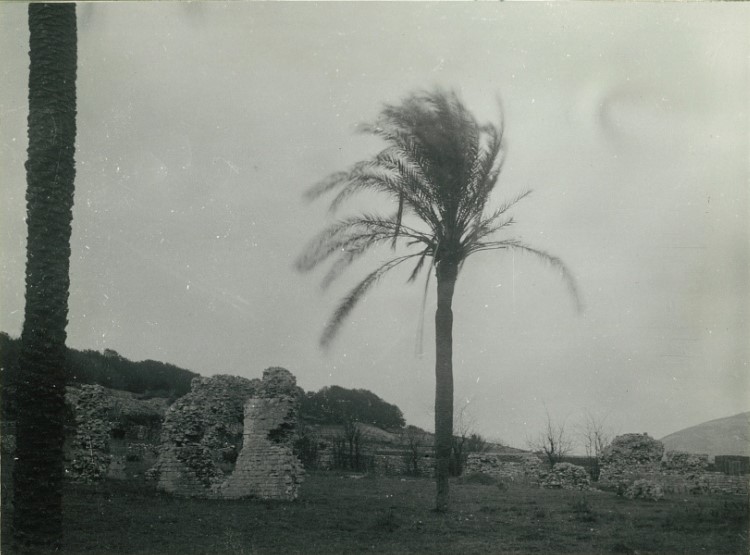
In the early 20th century, a Danish architect, archaeologist, and art historian visited the island of Vis. Ejnar Aksel Petersen Dyggve (1887–1961) spent 40 years of his life studying Dalmatian historical monuments and sites. His contribution is still appreciated and valued, and the same research material that was given to the city of Split was later digitalized. Look through the gallery to see some of the very first photographs ever taken of the archaelogical site of Issa.
The Island School of Social Autonomy (ISSA) is a place that imagines, experiments with, and cultivates forms of knowledge production and sharing that go beyond traditional notions of education and its purpose. It also fosters modes of living that extend beyond mere survival in the “age of extinction.”
We perceive social autonomy as the ability of individuals to function as cooperative group members, engaging in communal self-governance while being aware of the interconnectedness and interdependence of communities within broader networks (or archipelagoes) of human and non-human life-organization. Autonomy does not imply isolation but rather the ability to make autonomous decisions, through mechanisms of collective deliberation, about how to live together and take responsibility for caring for those that are not able to make them (children, non-human living worlds, etc.)
With ISSA, our aim is to cultivate ways of living, learning, and teaching together. We seek to explore autonomy as a political strategy and a model for social organization. Additionally, we adopt a hands-on approach to design, experimentation, and the implementation of processes, goods, and services. We collaboratively engage in discussions, physical labor, and the development of joint projects and programs, working with individuals and collectives. Throughout our endeavors, we remain guided by our motto: “We build the school, the school builds us” (“Mi gradimo školu, škola gradi nas”).
Why a School?
We’re starting a School on an island in the middle of the Adriatic Sea because we believe that the future lies in the archipelagos of autonomy. Moreover, we recognize that the contemporary educational system, as highlighted by the eminent educator and philosopher Ivan Illich in his groundbreaking book “Deschooling Society” (1971), has turned into an “advertising agency that makes you believe that you need the society as it is”.
Education as we know it, is a relatively recent invention. Until the 19th century, children from middle-class families were educated at home with the assistance of private tutors. It was only with the rise of industrial society that the modern school system became the central mediator of socialization. This shift resulted in the removal of socialization from both the family and the community. The education system transformed into a statist institution rather than a communal one, thus becoming one of the fundamental pillars of social order, based on nation-states, their economies, and various hierarchies related to gender, race, and more.
Throughout the 20th century, the prevailing model of education transformed into a process that engineered consumers who propelled economic “growth” and (national) citizens responsible for political rights and obligations. In the 21st century, the privatization of education and knowledge, coupled with the penetration of technology into every sphere of life, including education, led to the proliferation of techno-solutionist approaches and reasoning. As Wendi Brown notes this diminishing separation between economy and polity brought about a situation wherein political principles of equality and freedom no longer figure as alternative social and moral referents to those of the market. Contrary to this, we want to create condition where public resources are not to be used “for some new device that makes people learn” but for, as Ivan Illich suggested, “the creation of a new style of educational relationship between man and his environment. To foster this style, attitudes toward growing up, the tools available for learning, and the quality and structure of daily life will have to change simultaneously.”
Illich observed that urban life tends to become increasingly reliant on bureaucratic civic services, which in our present context, can be viewed as bureaucratic business services. We now heavily rely on complex technological systems owned by large private tech companies in almost every aspect of our lives. This trend of data collection, surveillance, and behavioral engineering promotes predictable and automated human behavior. Illich diagnosed this particular way of life as an ideal “pan-hygienic world,” a world where all interactions between individuals and between individuals and their surroundings result from foresight and manipulation. The school itself has “become the planned process that tools man for a planned world, the principal tool to trap man in man’s trap.”
What is missing in this reality is the essence of the true master-disciple relationship. It is not about simply reproducing socially “suitable” individuals, but about a shared understanding between the master and pupil that their relationship is invaluable and mutually beneficial.
Aristotle referred to this relationship as a “moral type of friendship” that operates without fixed terms. The master acts towards the pupil as they would towards a friend, providing gifts or engaging in any other action out of genuine care. Thomas Aquinas described this form of teaching as an act of love and mercy. Illich reminds us that this kind of teaching is always a luxury for the teacher and a form of leisure (from the Greek term skhole, from which our word “school” originates) for both the teacher and the pupil. It is an activity that holds meaning for both parties and serves no ulterior purpose.
In the current convergence of multiple crises (environmental, political, economic, etc.), it is precisely this form of teaching, devoid of fixed terms, which functions as a moral type of friendship that must be reinvented. Although it may not prevent mass extinction, it has the potential to create an actual, existing social and educational experiment and provide a platform for contemplating a different world.
Why Vis?
“I am at the Philippines of the Adriatic,” wrote the great poet Tin Ujević of his trip to the island of Vis in 1930. “I find myself in the deep heart of the deep sea. It was the fairies themselves who brought me here, on an unknown date when the globe fell asleep, and no one could see me. I am a part of the empire of adventures, a miracle of events. I finally experienced what the world has forgotten. And I became the owner of a mystery.”
Vis’ mystery to us seems rooted in both its philosophy of pomalo (“take it slow” or festina lente) and the fact that throughout its history it was always distant enough to remain mysterious while also being at the center of events.
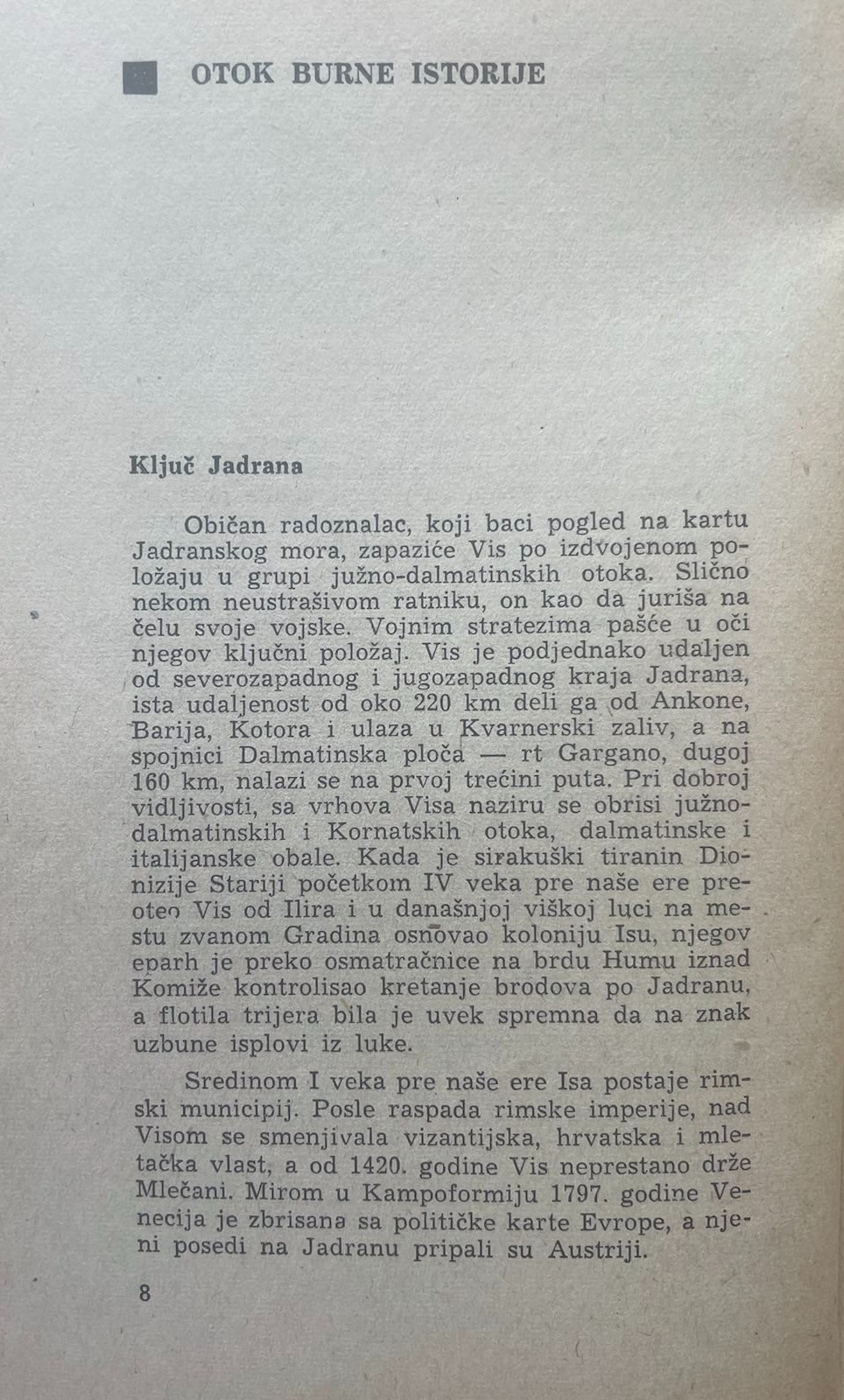
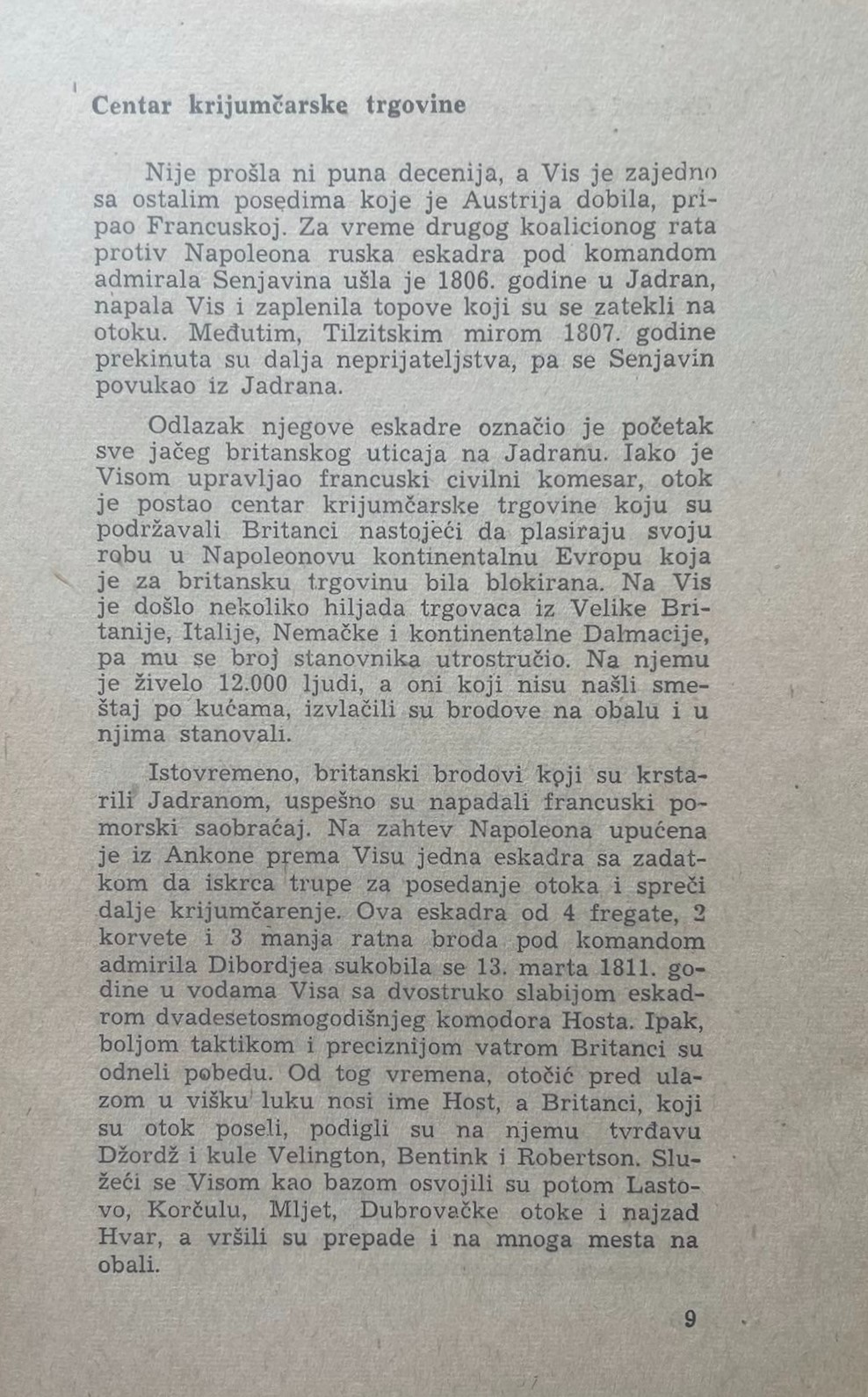
The earliest known inhabitants of Vis were Illyrian tribes, most likely Liburni, who settled on the island during the late Bronze Age. In the 4th century BC, ancient Greeks colonized the island when Dionysius the Elder, the tyrant of Syracuse, founded the colony of Issa. It later became an independent polis, with its own currency and colonies. Subsequently, it became a part of the Roman Empire until its collapse. From then until 1797, Vis was under the rule of the Republic of Venice, after which it was passed to Napoleon and then to the Kingdom of Italy. The island was then ruled by the Austrian Empire for over a century. Following World War I, it briefly became part of Italy once again and later joined the Kingdom of Yugoslavia.
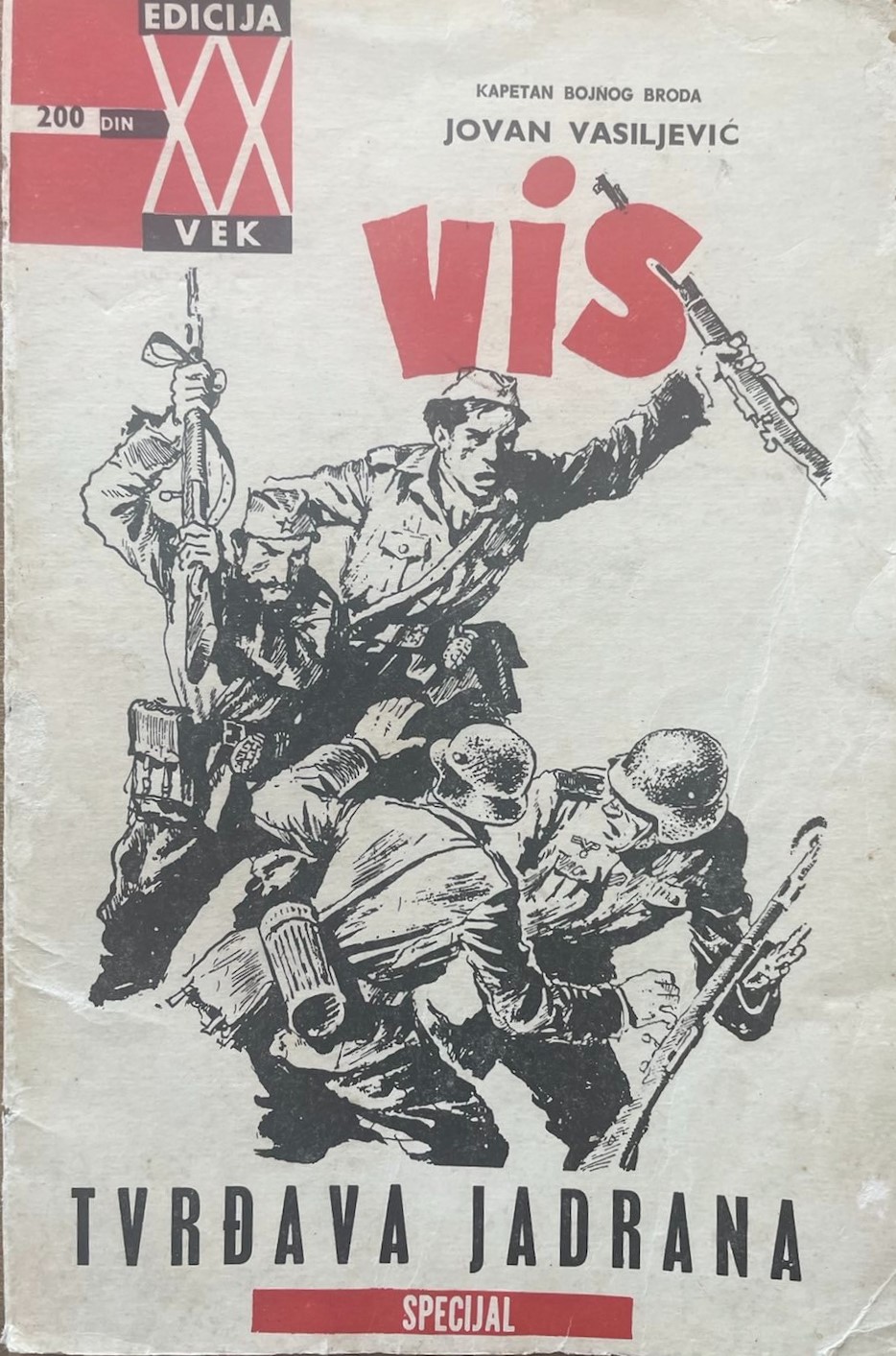
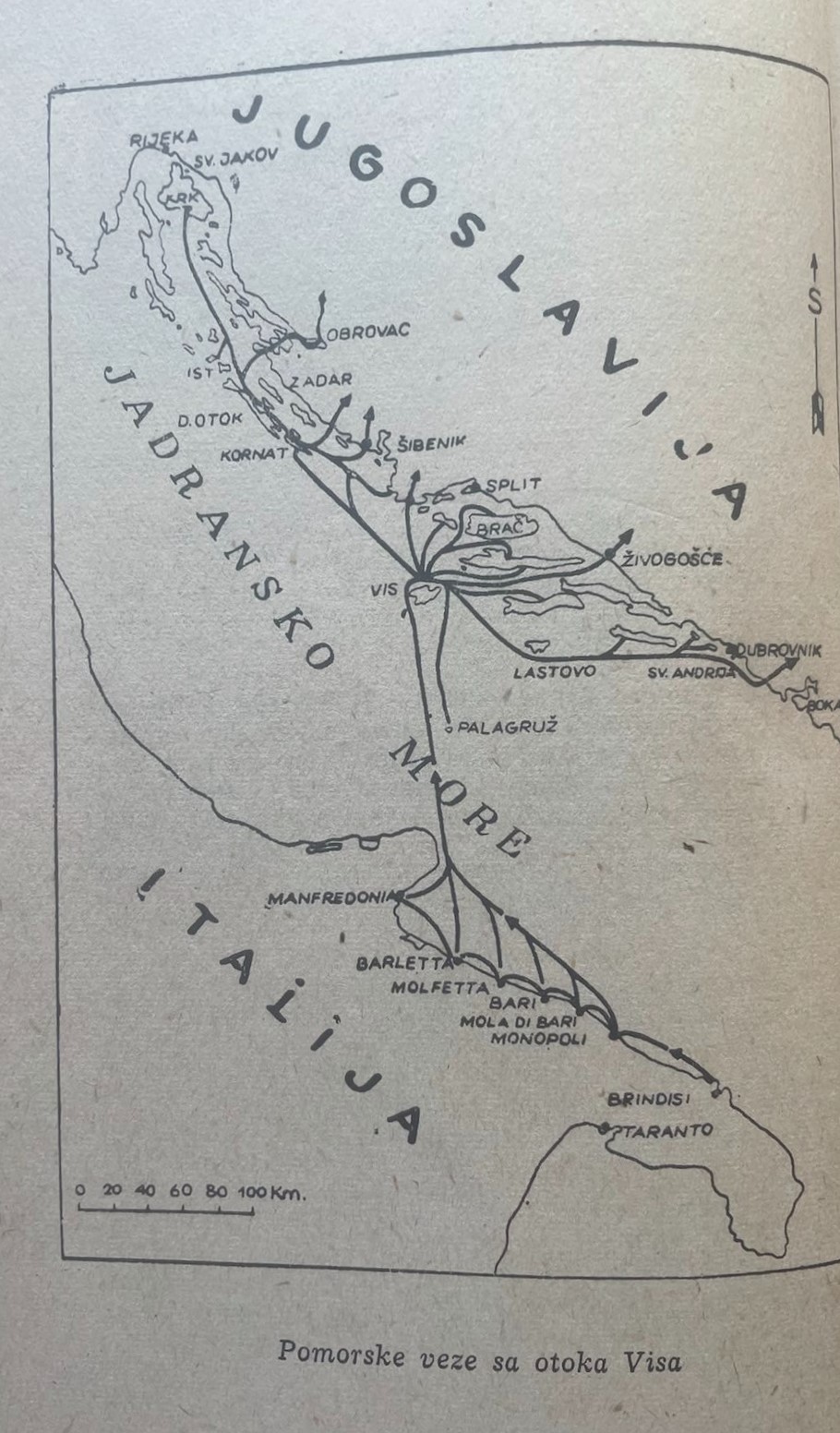
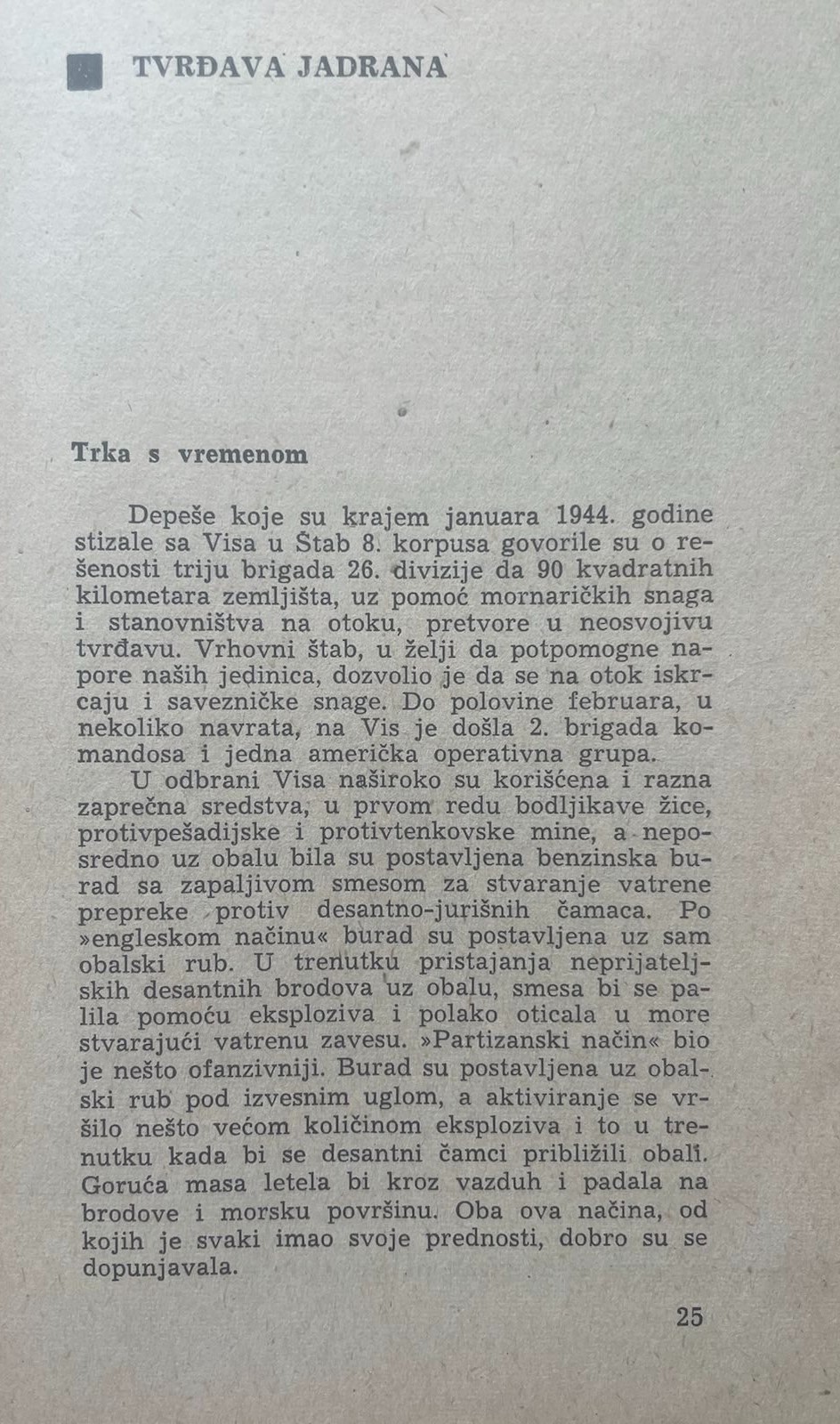
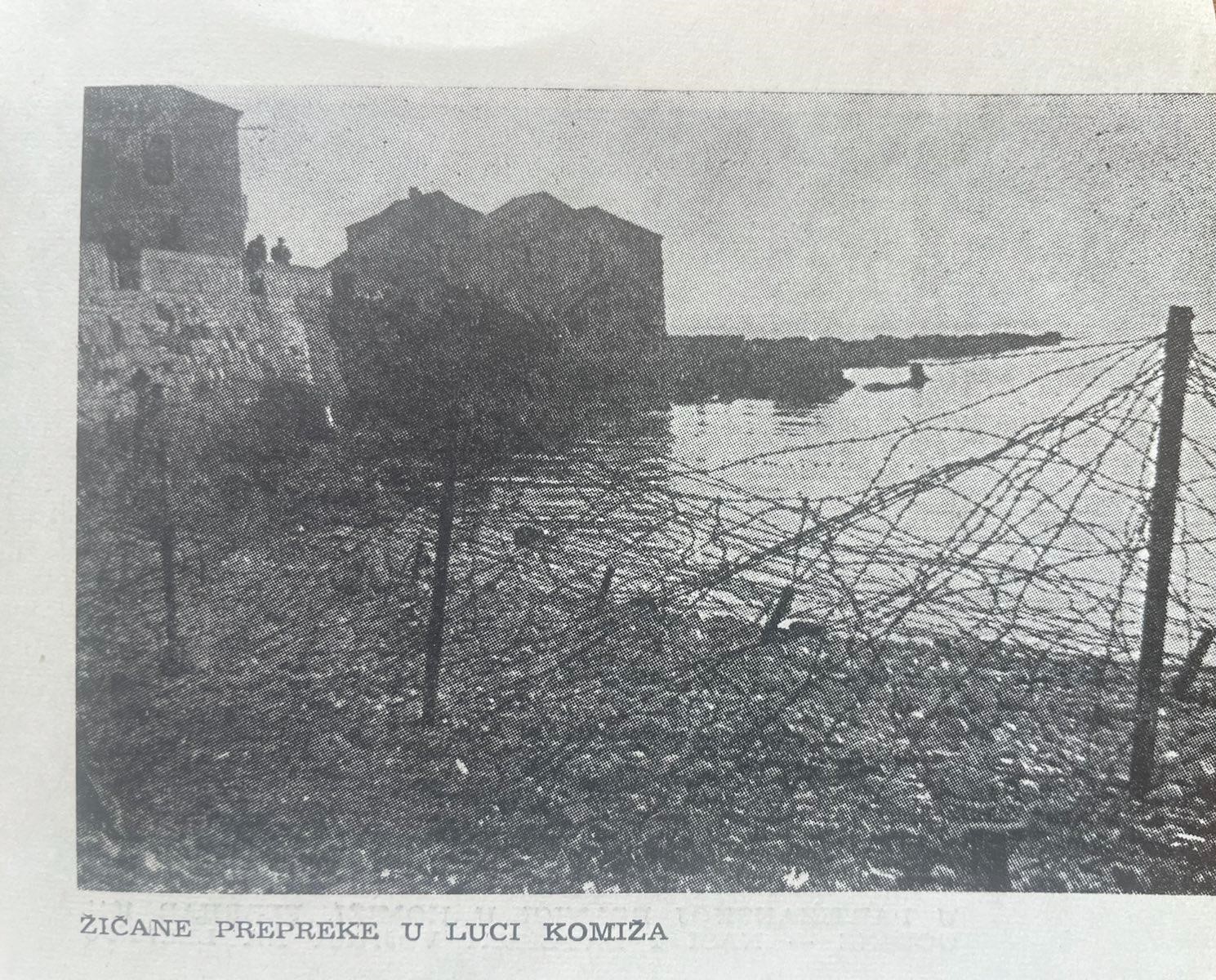
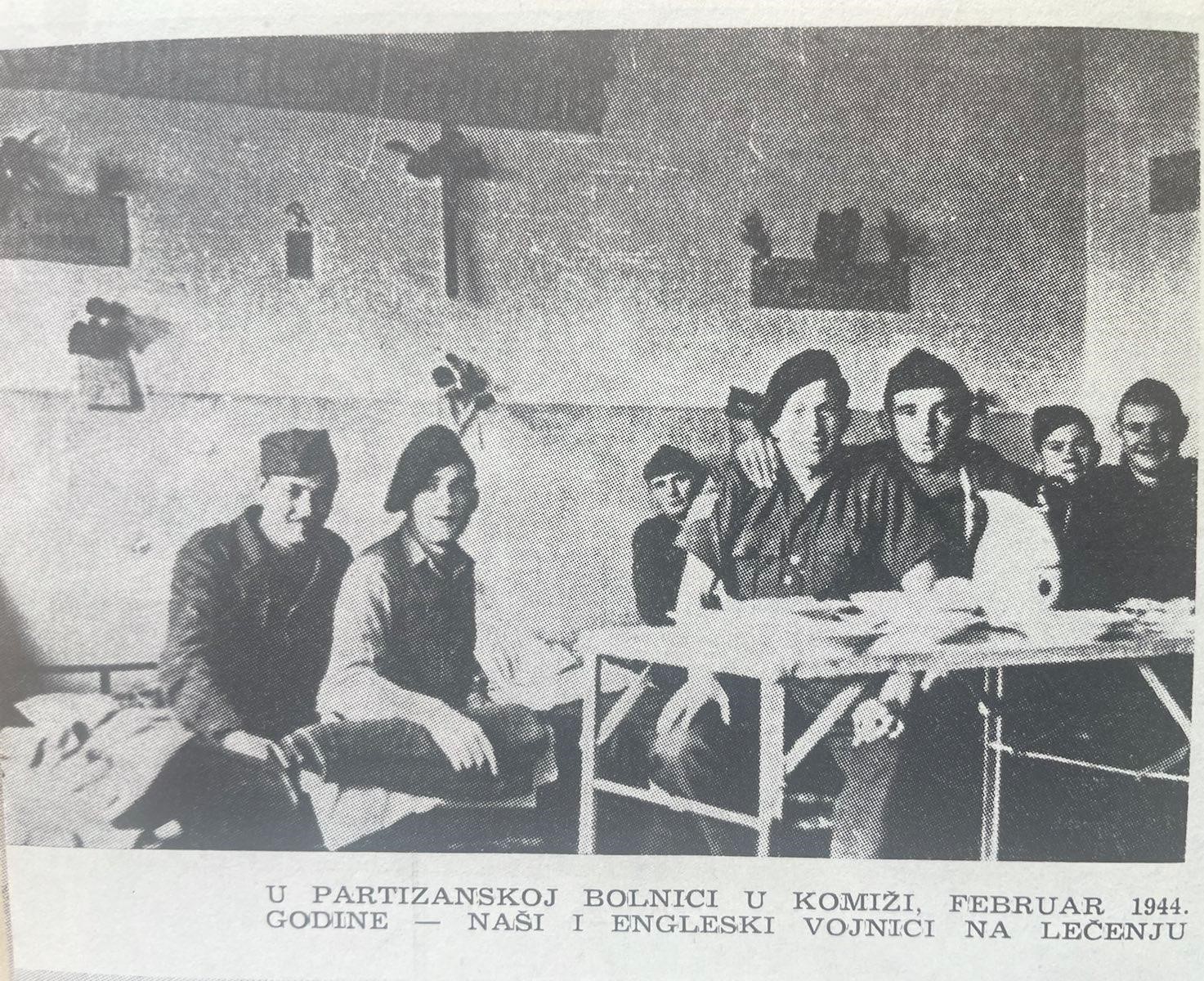
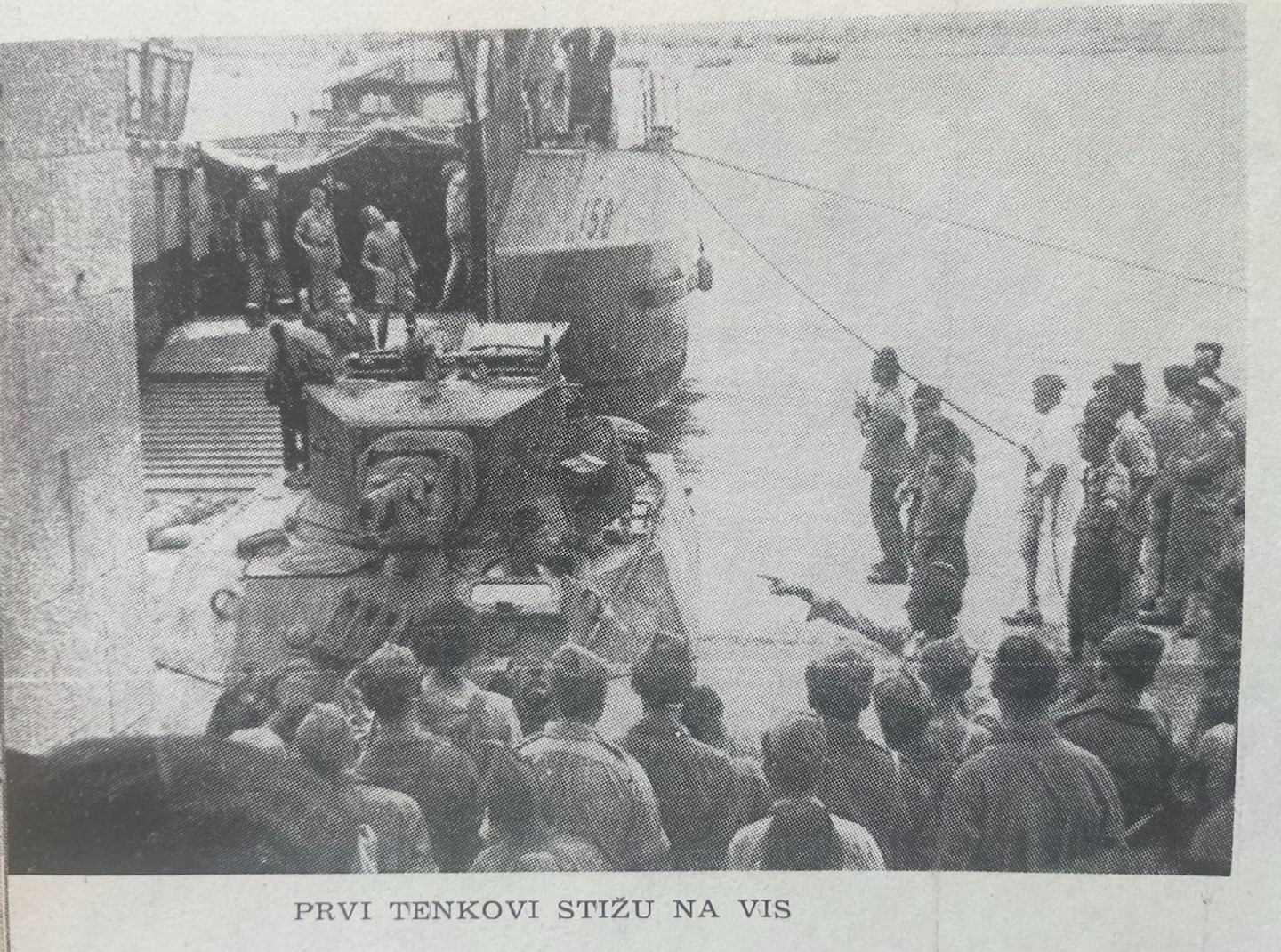
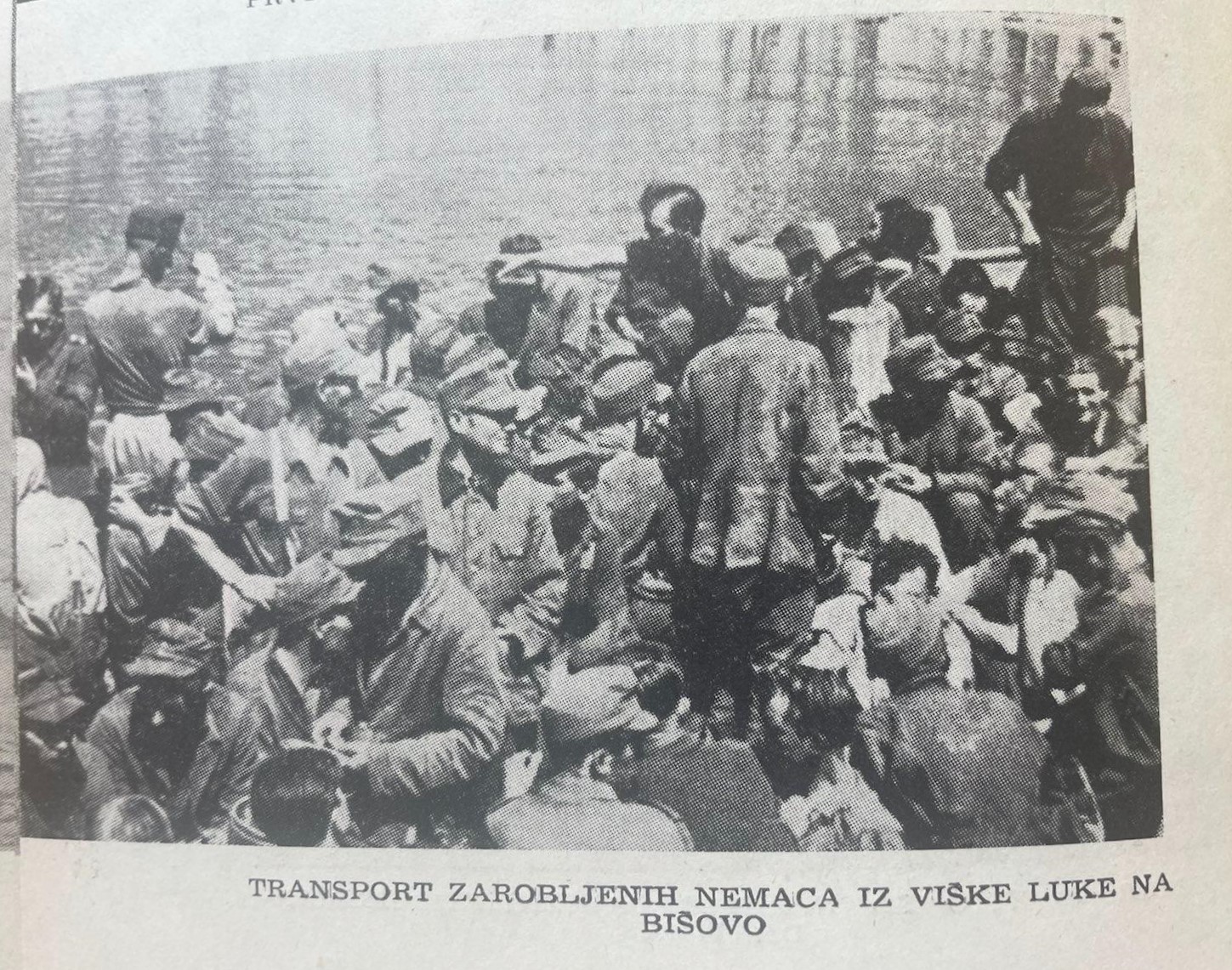
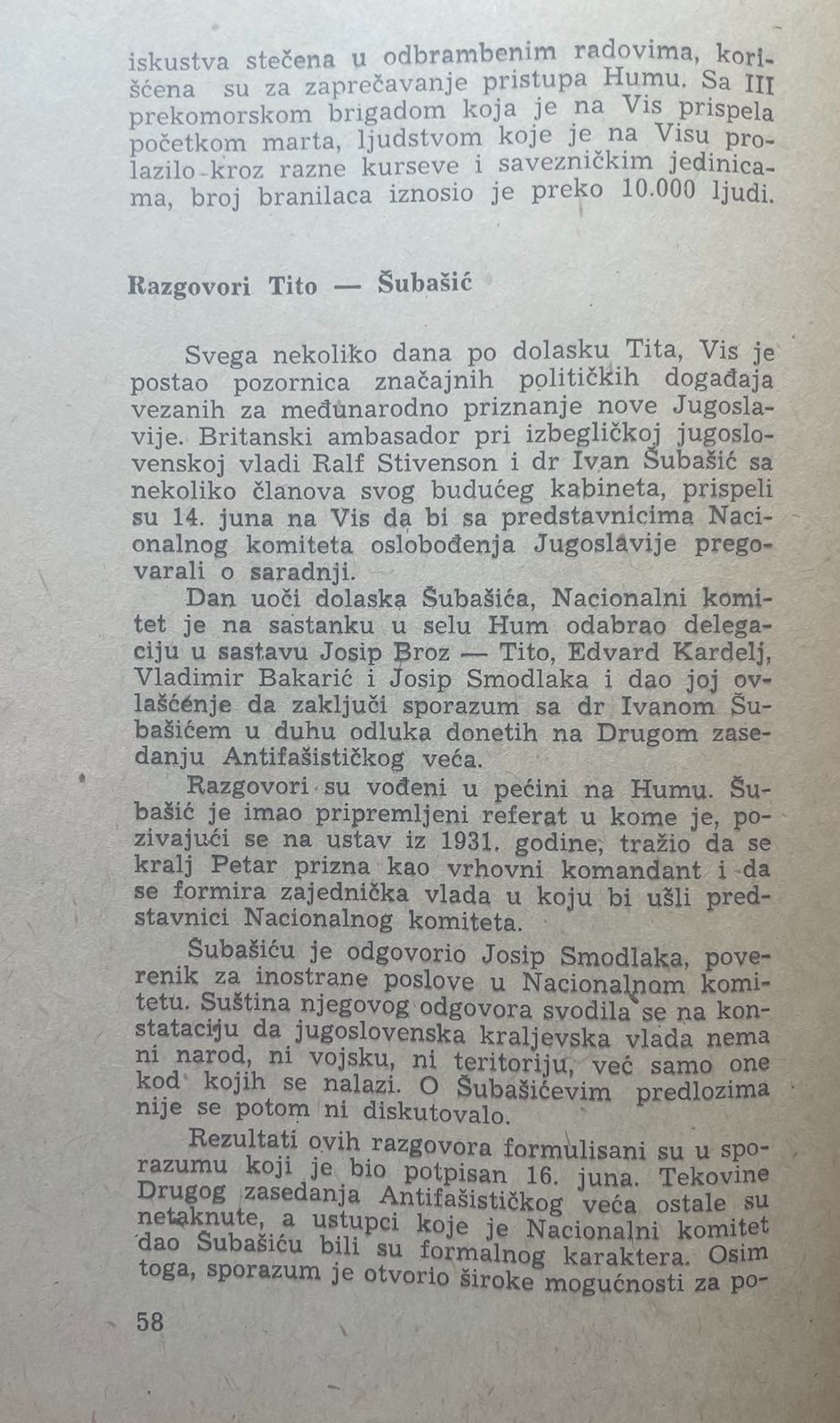
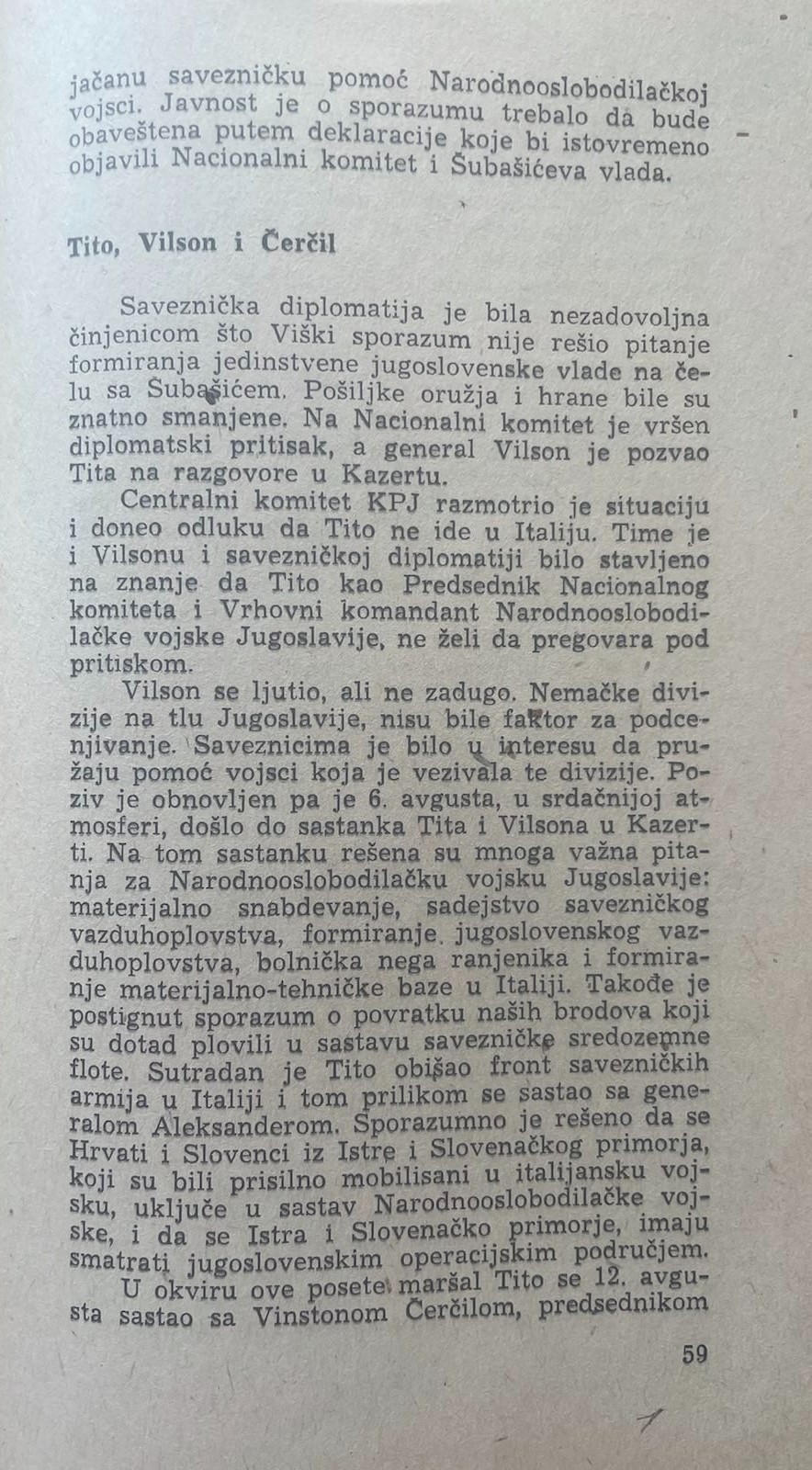
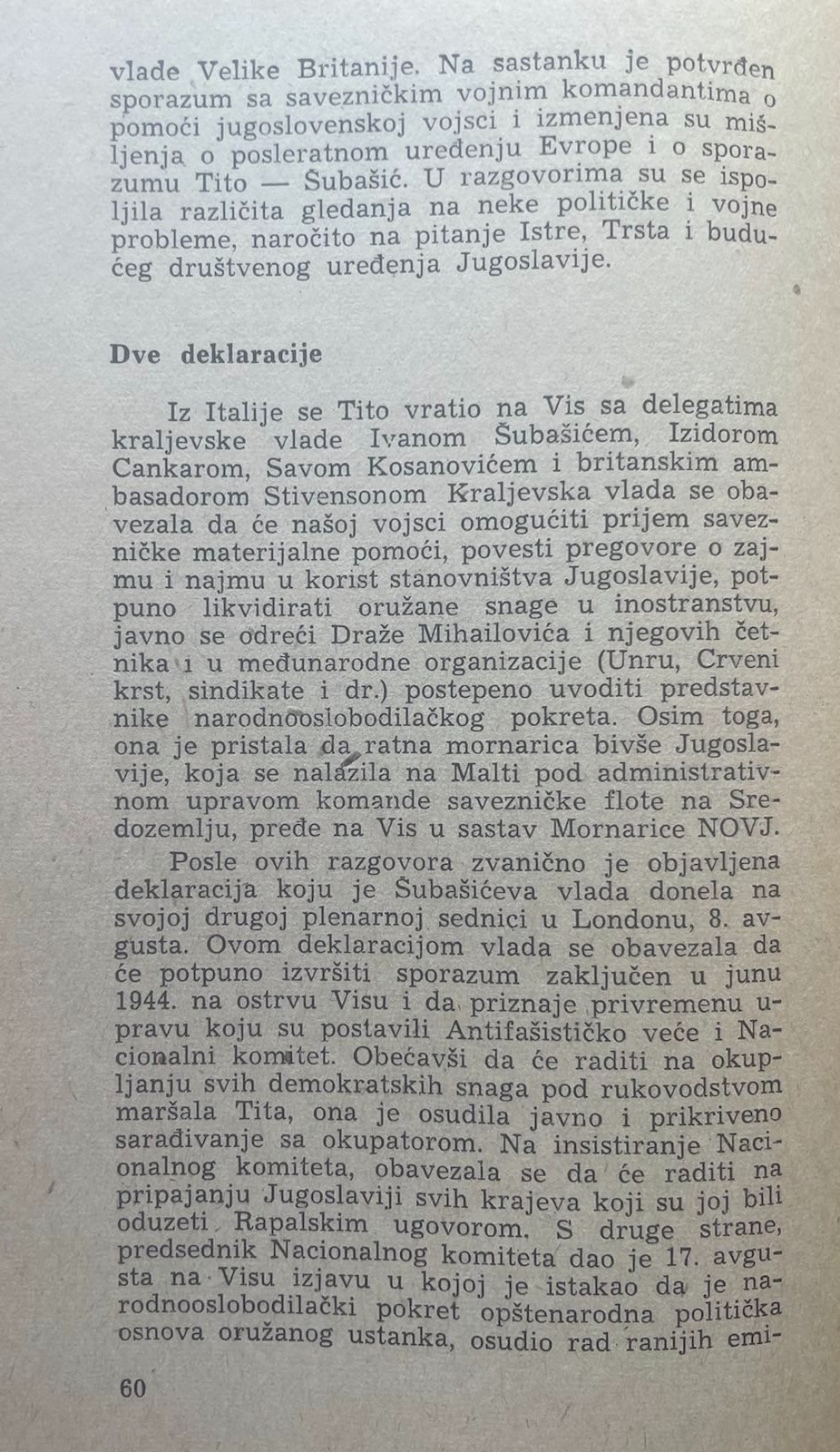
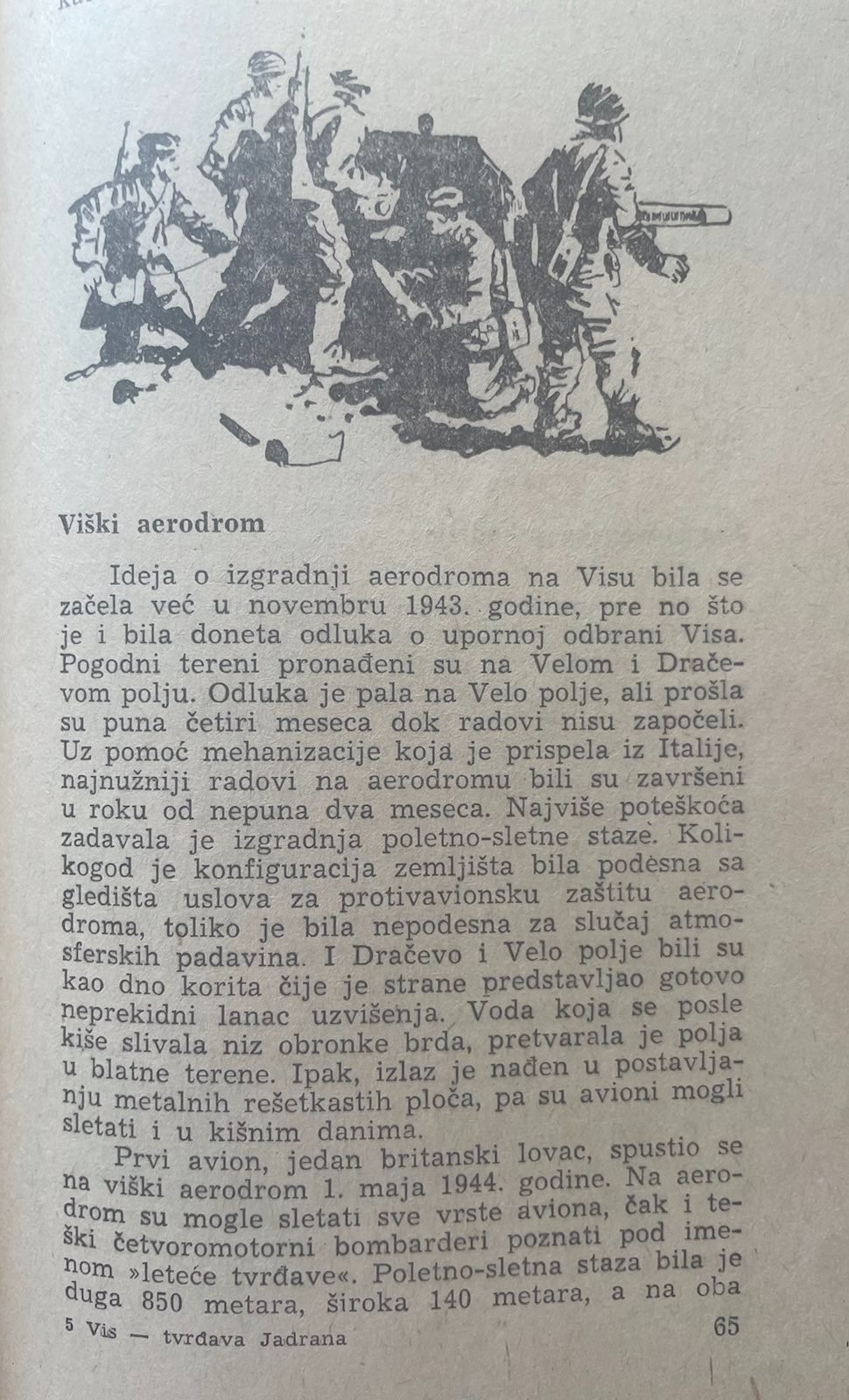
During World War II, after a two-year fascist occupation, Vis became the starting point for the final phase of the Yugoslav antifascist liberation struggle. Interestingly, it was the Yugoslav People’s Army (JNA) that removed the island from tourist maps and preserved some of its authenticity. From 1944 until the collapse of Yugoslavia in 1991, Vis served as one of the strategically crucial Adriatic army bases, prohibiting foreign visitors. It remained relatively untouched by global tourism until the late 1990s.
Apart from its intriguing history, what distinguishes Vis is its geological past. The Vis Archipelago consists partially of the oldest rocks in the Adriatic Sea, dating back around 220 million years. This uniqueness sets it apart from other Adriatic islands. During that time, there was an active volcano deep beneath the surface, and if one knows where to look, petrified lava, volcanic bombs, ash, salt, and sedimentary rocks can still be found along the beaches of Komiža. Additionally, Vis benefits from its own water sources, unlike the rest of the Adriatic islands.
It is not a romantic notion of “escaping” catastrophe because we are well aware that there is no escape. Climate crisis, microplastics, capitalism, and other challenges are reaching even the most remote shores. Nor is it merely a variation of Voltaire’s famous line from “Candide” that suggests we should tend to our own garden, implying that self-sufficiency is both possible and desirable on “our” island.
The selection of Vis represents a symbolic gesture, affirming the significance of certain local characteristics that we find important, such as pomalo or the antifascist legacy. Simultaneously, it is a coincidence, an accidental convergence of people, ideas, and energies, as well as a personal and collective decision made every day. It serves as a reminder that we always find ourselves in a tangible material reality fixed in a specific place while being shaped by processes originating elsewhere.
Similar to ISSA itself, the island of Vis embodies an essential dialectic relationship between autonomy and dependency, nature and society, local and global. For ISSA, it is not an either-or situation.
Why Here and Now?
In Aldous Huxley’s utopian novel “Island,” he writes about an imaginary island located somewhere in the Pacific Ocean. The society inhabiting this island enjoys universal economic well-being and a high level of respect for individual rights and freedoms. Individuals are also provided ample opportunities for emotional and spiritual growth. Among the island’s many peculiarities are specially trained birds called mynas, whose purpose is to intermittently screech out “Attention!” and “Karuṇā,” reminding the inhabitants to live in the present moment and cultivate compassion. The island remains untainted by modern-day civilization, capitalism, imperialism, and domination. However, it is destined to be engulfed by these forces.
Our island is not innocent, and we acknowledge that there is no outside. We are deeply entrenched within the belly of the beast. We understand that we are starting from a point of ruins, destruction, and smoke. Yet, our island is not alone; it is part of an archipelago consisting of isles, caves, valleys, and swamps where alternative forms of life persist or are reborn. These possibilities exist within the philosophy of buen vivir embraced by indigenous groups in South America, in Jason Moore’s concept of world-ecology, in shadow libraries hosted on secret servers, in the notion of public wealth, in participatory processes within communities, and countless other places and spaces.
In conclusion, as the impending catastrophes we face are both local and global in nature, so too is ISSA. Our school is not merely a space for contemplation but a place of action. Its role is to explore and address the significant challenges ahead through the process of teaching and learning, while also practicing social autonomy in the present moment.
Faced with the end of the world, how do we educate ourselves for the “age of extinction”? What type of education do we need to secure a future? Moreover, how can we achieve a “good life” amidst extinction, and what does “good life” truly mean? Finally, what forms of social organization and coexistence can we foster because of, or despite, the impending disaster?