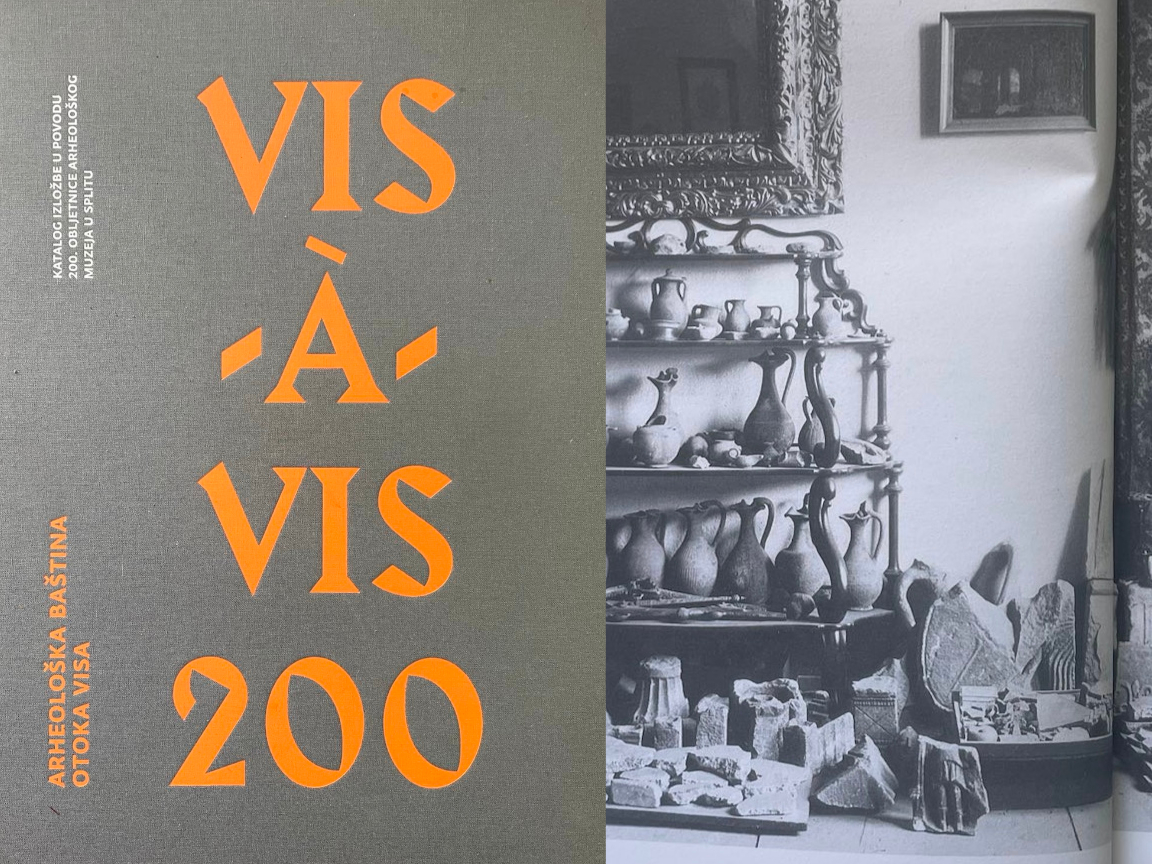
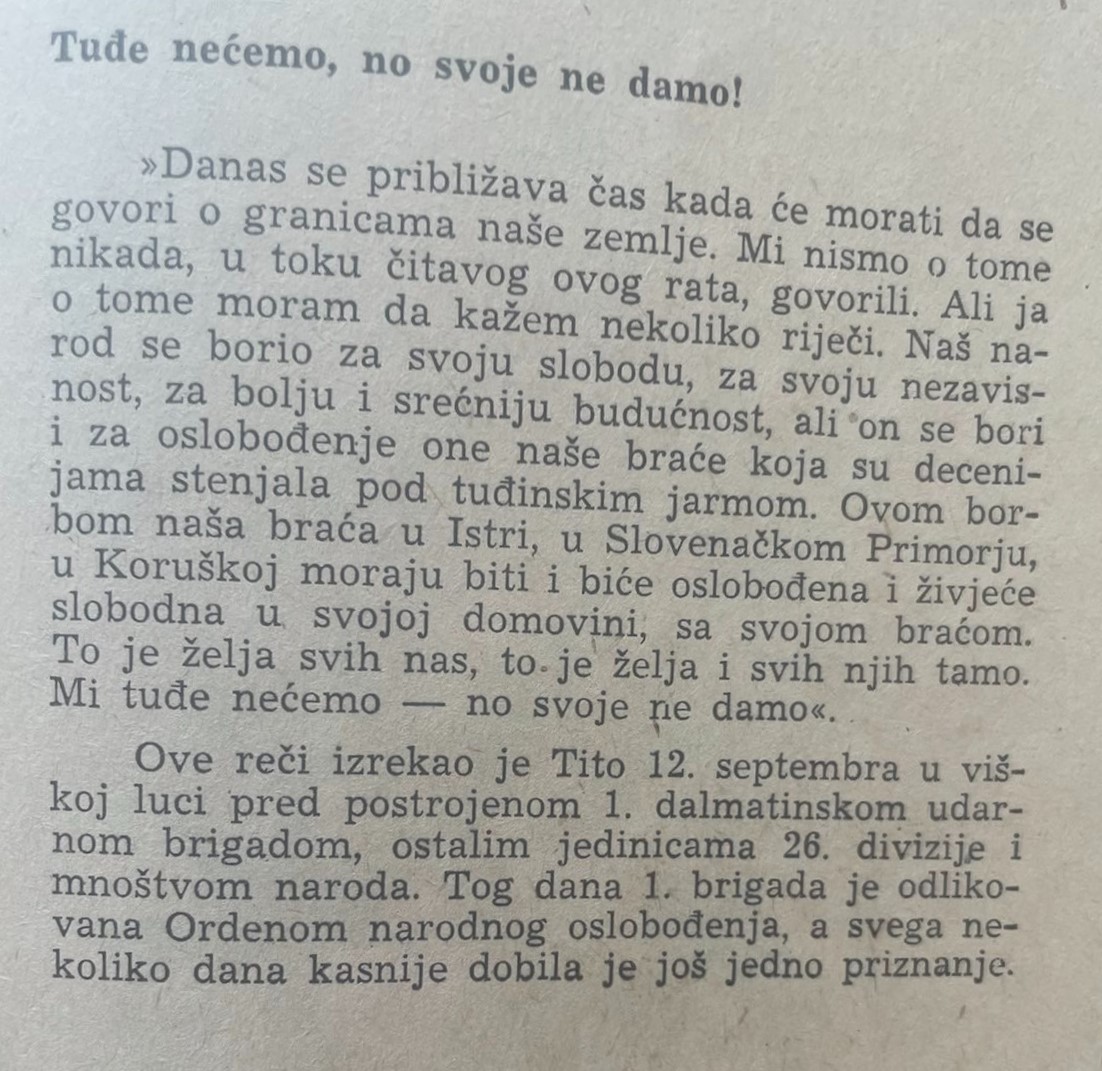
Below, you will find excerpts from the catalogue of the exhibition Vis-à-Vis 200 – The Archaeological Heritage of the Island of Vis. The exhibition showcased a diverse range of artifacts, such as inscriptions, sculptures, ceramics, jewelry, weapons, and more, offering a fascinating glimpse into the island’s earliest traces of life from prehistoric times to the early Middle Ages. The exhibition particularly focused on the dynamic development of the Greek polis of Issa during the Hellenistic period. Take a moment to browse the gallery below and discover it for yourself!
This year marks the 80th anniversary since the courageous local population of Vis liberated the island from fascist occupation. This is a glance into their struggle from Srećko Horvat’s book “Poetry from the Future” (Penguin, 2019).
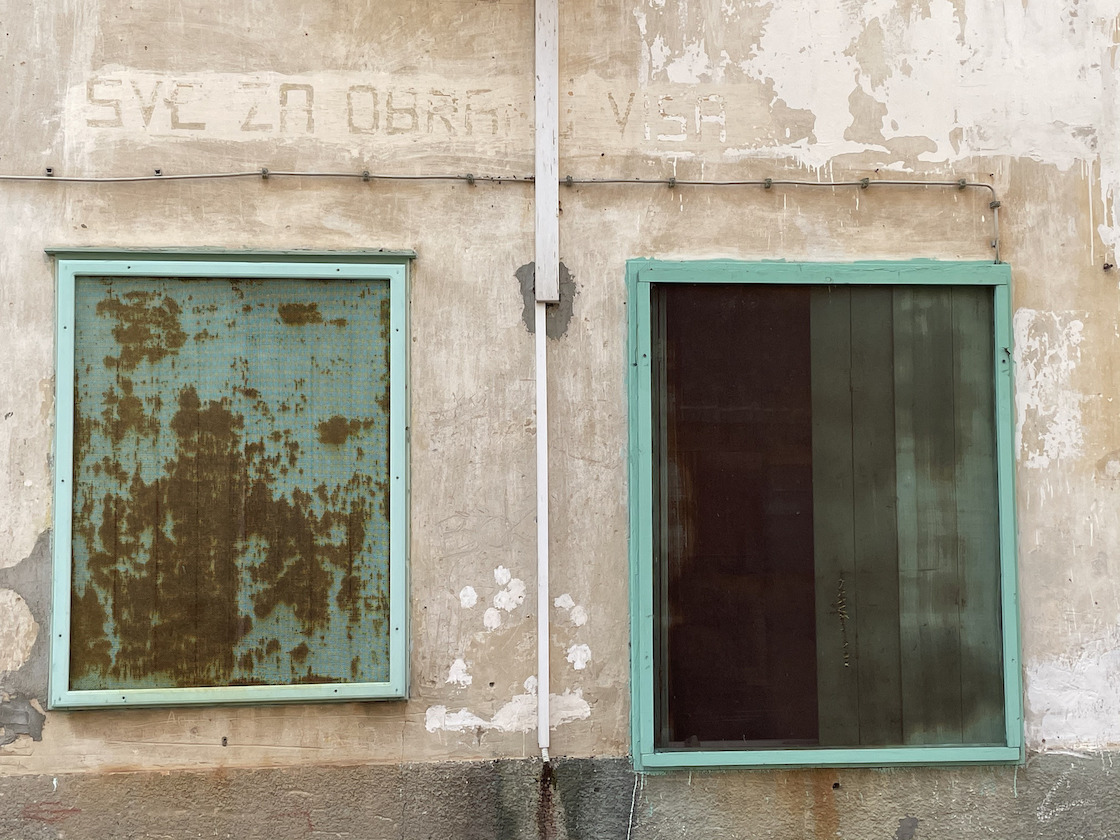
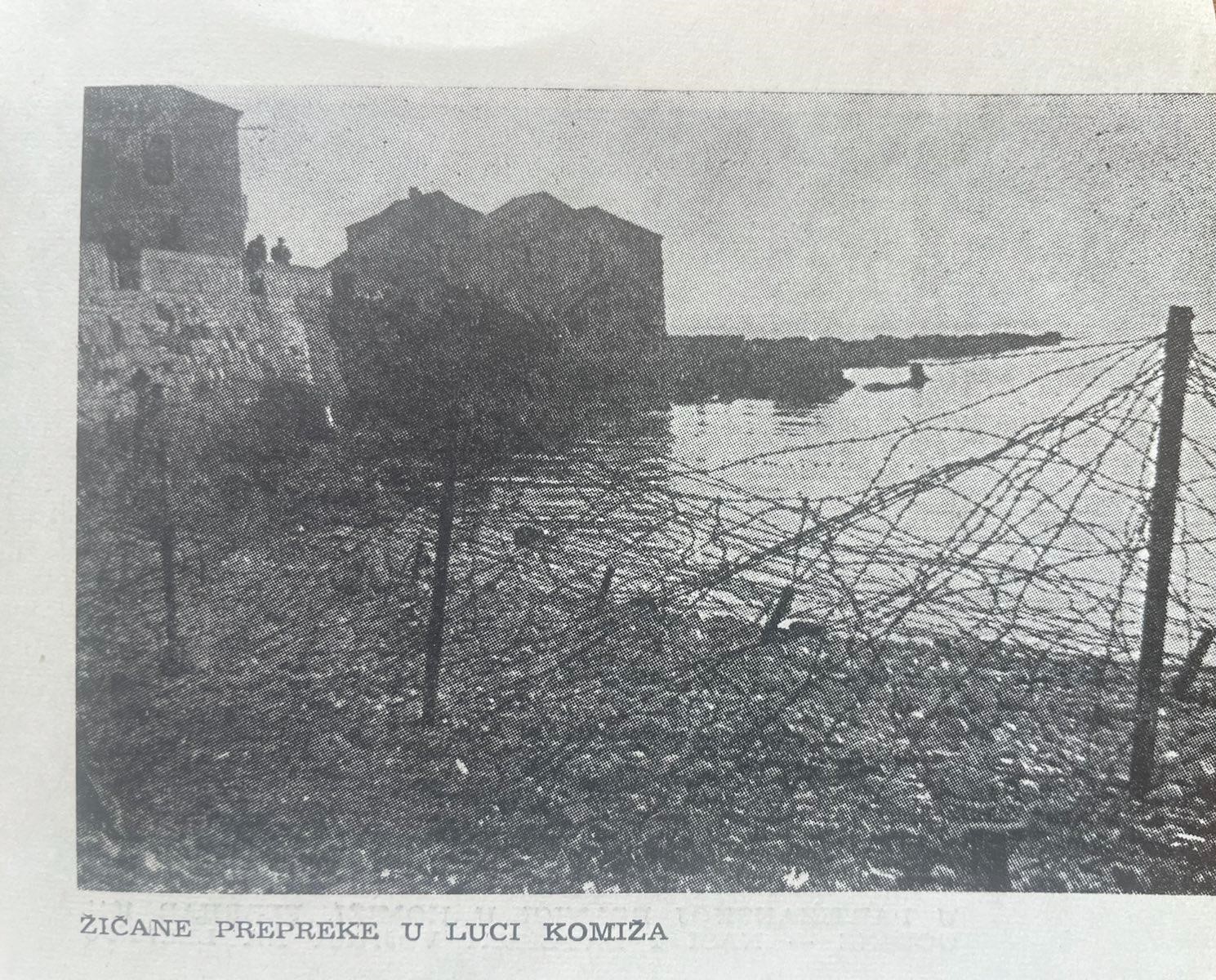
“Sve za obranu Visa” (“Everything for the defense of Vis”), graffiti in Komiža resisting 80 years
The First Sound from Occupied Europe
It is April 1944 and most of Europe is occupied. Look at the map. You will see France, Austria, the Netherlands,
Slovakia, Italy, Finland, Denmark, Belgium, Greece, Hungary, Poland and the Kingdom of Yugoslavia all under Nazi occupation, with pup- pet states installed in Croatia, Romania, Bulgaria and Norway. While German bombers are attacking London, the RAF is carpet-bombing Berlin. The end of the Second World War is nowhere in sight. The Allied front in Italy is stalled and Nazi propaganda claims that its operations on the Eastern front in Russia have been abbreviated for tactical reasons. The Allied invasion of Normandy is still two months away: an ambitious hope. De Gaulle forms a new regime in exile and Hitler and Mussolini meet at Salzburg.
In early 1944 concentration camps are still operating and exter- minating millions. French Jews are deported to Nazi Germany, the first Jews transported from Athens arrive at Auschwitz, and Adolf Eichmann travels to Hungary to oversee the deportation of much of that country’s Jewish population to the same concentration camp. In the occupied Netherlands, Anne Frank writes her diary, until her arrest by the Gestapo that August. Soviet forces reached Majdanek near Lublin, Poland, in July 1944; only in January the following year would they liberate Auschwitz.
In the midst of this apocalyptic nightmare, Mount Vesuvius erupted in Italy. This was also the year in which Casablanca won three Oscars at the sixteenth Academy Awards; and when Benjamin Green, seeking a way to protect soldiers from sunburn, invented sun- screen. Around the same time, Donald Trump’s father, Fred, was already working in real estate – building and selling houses, barracks
and apartments for US Navy personnel, later expanding into middle- income housing for the families of returning veterans. Donald would be born two years later, in 1946.
In these months of early 1944, just before the liberation of Paris when it would have its première, Jean-Paul Sartre’s dark existentialist play No Exit was being rehearsed in secrecy in the French capital. In the UK, Laurence Olivier was working on his Henry V, commis- sioned by Winston Churchill to boost British troops’ morale, while Hitchcock returned to the UK to make two short propaganda films in French for the British Ministry of Information (Bon Voyage and Aventure Malgache). On the other side of the channel, at the same time, Pablo Picasso wrote a play, Desire Caught by the Tail, which was performed in the home of surrealist writer Michel Leiris, with Albert Camus (who was the director), Jean-Paul Sartre, Simone de Beauvoir, Georges Bataille, Jacques Lacan and Picasso himself read- ing some of the parts. The party continued after the play because those who remained after midnight had to stay until dawn because of the curfew. According to the historical accounts of this party, Sartre sang ‘Les Papillons de nuit’ and ‘J’ai vendu mon âme au diable’. As Picasso’s crowd partied, Samuel Beckett, hiding from the Gestapo, joined the French Resistance, but continued to work on his last English-written novel, Watt, which he’d begun the previous year in Paris and which, he said, provided him with ‘a means of staying sane’.
It is early 1944 and most of Europe is occupied.
Now imagine. In the middle of all this, with yesterday in ruins and tomorrow uncertain, you are listening to the songs of Bing Crosby, Vera Lynn and Judy Garland on the BBC’s Overseas Service, when suddenly, completely unexpectedly, the melodies stop. The radio pre- senter, his voice tinny over the airwaves, announces, after five years of devastating war, what he calls ‘the first sound from occupied Europe’.
‘We present recordings from perhaps the most unusual voyage ever undertaken by a BBC war correspondent,’ he says. ‘They have just arrived from the Army Headquarters in Italy, but when and how they were made we cannot tell you, as we do not know that yet. The only thing we do know is that they were made by Denis Johnston, our correspondent in a country which the Germans claim is in their hands, in Yugoslavia.’
The announcer continues:
“Across the Adriatic Sea, throughout the once carefree hunting grounds for rich yachts along the Dalmatian coast and in the wild picturesque heights of Yugoslavia, one of the most heroic battles of this war is in progress today . . . These people know what they are fighting for. They have absolute faith that they are right and in their ultimate fate. And it is a great and unique experience in this world of cynicism and divided loyalty to be among them and to be able to help them.”
For reasons of secrecy, the reporter could not specify any location, name or rank. All the listeners know is that the broadcast is taking place somewhere in occupied Europe, in the Adriatic. All they can hear is the sound of liberation.
This sound from a possible future, an emancipated world that had not yet reached other parts of occupied Europe – from Paris to War- saw, Amsterdam to Vienna – was broadcast only once in April 1944. The recording was forgotten, left in a bunker for thirty years before being accidentally rediscovered in 1975 by two Sarajevo journalists. During the following two years, the pair painstakingly reconstructed the recording and its context: where it took place and when; who were the people singing and marching in the background, preparing Yugoslavia’s liberation. Who the broadcaster was.
At first, all the journalists had was the sound, the broadcast itself. Even in the BBC archives, the archivists knew only that the broad- cast had been made in March or April 1944. Finally, however, the journalists managed to find the people behind the recording’s voices and to reach the reporter, the Irishman Denis Johnston – a contem- porary of Yeats and Shaw – who was still living in Dublin, and who told them the recording was the ‘greatest professional challenge of his journalistic career’.
Johnston also told them where the broadcast was made: the island of Vis, in the Adriatic Sea.
Who knows how many struggles of the past have been and will be forgotten, from original sounds to experiences and memories. The two journalists from Sarajevo succeeded not only in reconstructing a fleeting and long-forgotten event. They did something much more.
What they did was best explained by the German philosopher Walter Benjamin in his 1940 Theses on the Philosophy of History, written in occupied Paris, with a gas mask hanging on the wall above his writing table:
To articulate what is past does not mean to recognize ‘how it really was’. It means to take control of a memory, as it flashes in a moment of danger.
This sound of a forgotten historic struggle which took place in the very heart of occupied Europe allows us not so much to understand how it really was, as to embrace the memory of that crucial historic moment when Europe trembled on the brink of liberation, to under- stand its unfulfilled potentialities – potentialities that are still relevant to our own present and crucially to building a better future. For us today, the most important lesson of the Yugoslav Partisan historical sequence lies in the fact that what started as a war, and turned into a world war, acquired the form of a revolution. Or to be more precise, the Partisans used the misfortune of occupation to mobilize the popula- tion in order to fight their way out of it. Instead of being victims of their historical circumstances, the Yugoslav people took control of them and turned them to their own advantage. From the mountains of Bosnia, Herzegovina and Montenegro, through the woods of Slo- venia, Croatia and Serbia, and finally on the island of Vis, fighting a guerrilla war against the outnumbered Nazis and fascists – including the local collaborators, the Ustaša and Četniks – the Partisans suc- ceeded not only in liberating the Yugoslav territory, but in establishing a new society based on the revolutionary struggle.
Today, when historical revisionism (the process of rewriting his- tory and turning fascism into a legitimate discourse) and ‘presentism’ (the deluge of instant and fake news, and the world of social net- works) are capturing every memory, we have to remind ourselves of Benjamin’s words:
The only writer of history with the gift of setting alight the sparks of hope in the past is the one who is convinced of this: that not even the dead will be safe from the enemy, if he is victorious.
Today the enemy – whether it be the reinvention of fascism across the globe or the ongoing devastation caused by global capitalism (from austerity to the destruction of our planet) – is obviously victori- ous. The dead cannot be resurrected, but their deaths and sacrifices can acquire new meaning: if we are able to inscribe new resonance to the dead, if we can save their lives from oblivion and, more import- antly, if we can liberate them from a current historical revisionist narrative and reality they themselves would not be ready to live with. The past (how it really was) is unfinished as long as we can fulfil its potential (how it really could be) in the future.
This is why this first sound picture from occupied Europe is so important. It is a glance not only into a short period of the past, it is a document of resistance, proof that there can be a resistance move- ment where, once again, there is occupation.
Occupation? Yes, occupation. The current occupation consists not only in the rise of fascist movements and authoritarian governments throughout the world; nor in the physical occupation of politics and space, with new walls and detention centres. It is also the psychical occupation of our emotions, desires and imagination, drowning in the melancholy and pessimism of the will. Our current occupation consists in the widespread sense – or even reality – that there is no alternative, and ultimately, that there is no future.
The Tourist “Occupation”
It is the start of summer 2017 and I am returning to the small island where this extraordinary broadcast took place.
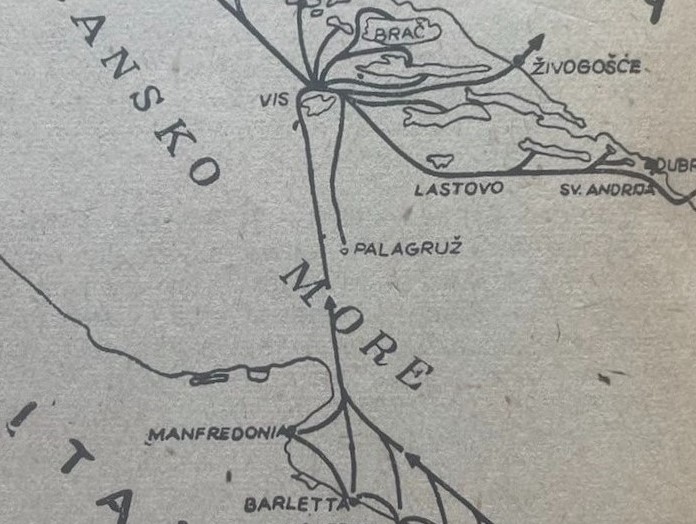
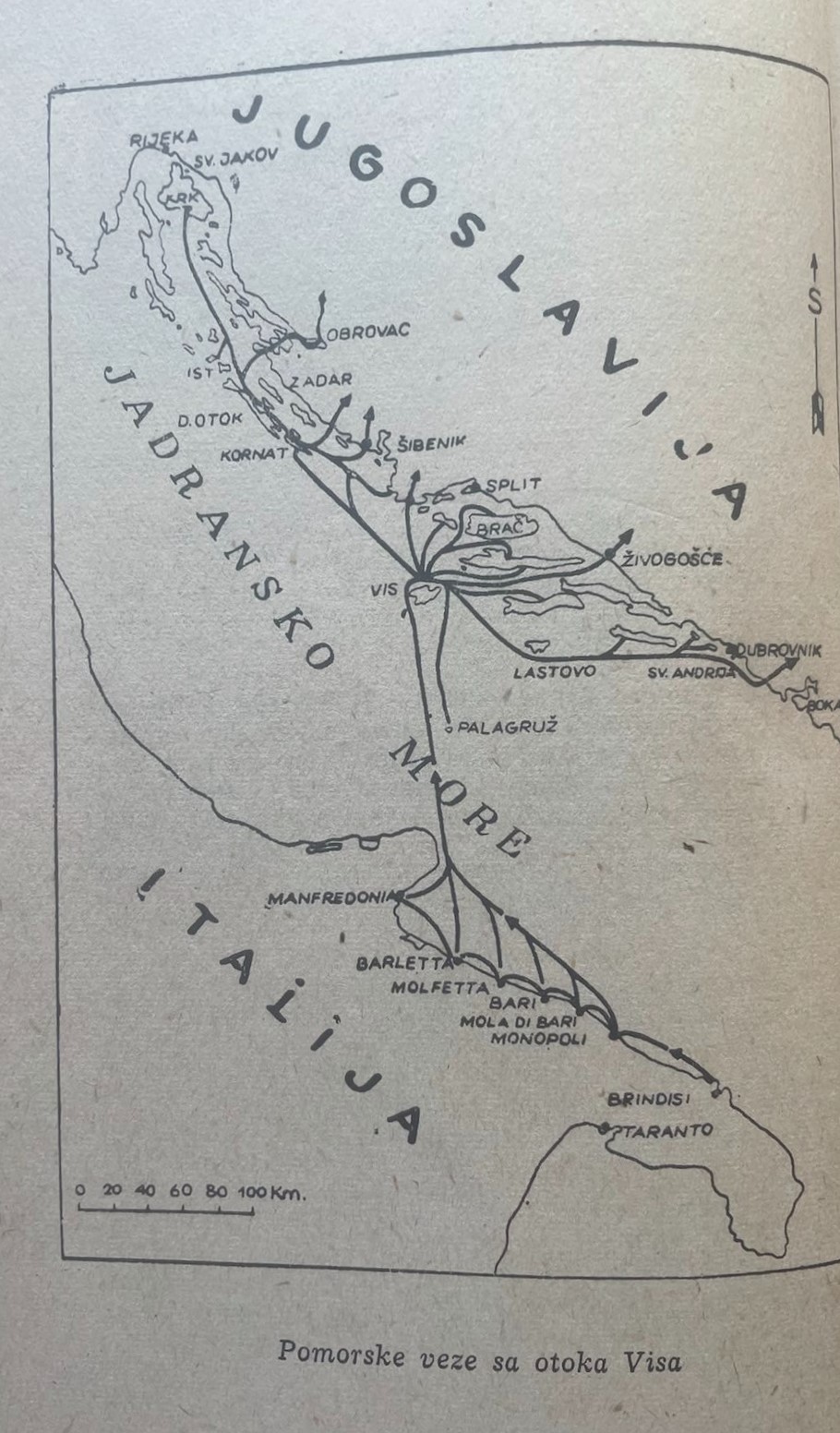
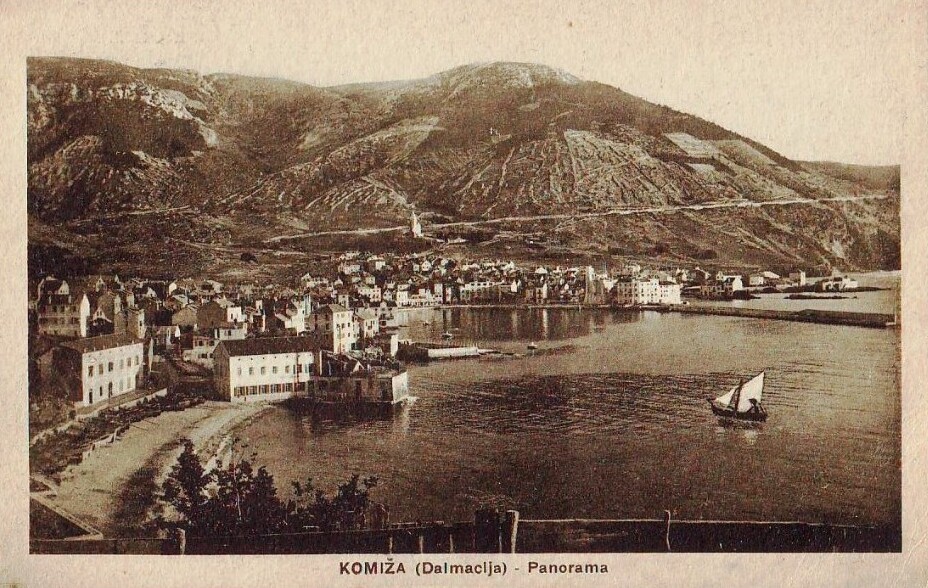
Vis is one of the most remote inhabited islands in the Adriatic, and it takes more than two hours to reach it by ferry. Rising out of the sea, its scents of pine trees, carob, rosemary and oregano mingle with the smell of sea salt carried by the winds. As we drive through the hills of the island to reach the fishing village of Komiža on its western coast, the sound of crickets immerses us in a different way of temporality. Everything is slower here; imperceptibly, time starts to go into reverse. And the longer you spend here, the better you will get acquainted with the island’s particular philosophy of life: pomalo. It
is a greeting you might hear on the street (‘take it easy’) , or a casual answer you get when you want to make an appointment (‘let’s see’). But first and foremost it is a way of being.
And as always, for a short tranquil moment at the arrival of sum- mer we can be certain that the ever-present sea will always be here, just like this, crystal clear and infinite. Whatever is happening in the world, whatever will happen, the sea will endure, with no end at the horizon, a reflection of our own transience.
But suddenly we are reminded that this summer season is ephem- eral. We see aeroplanes 10,000 kilometres above us heading towards Italy. And every time we look at these distant white dots, we are relieved it is not us travelling in one of them.
Unlike the hordes of tourists who occupy Vis every year, however, we know life is hard here. Tourists who see my friend Senko Karuza – a poet and excellent chef – ordering his morning vodka with a slice of lemon probably think he’s a quaint example of a local living the good life. But as he says, ‘For me it is already evening!’ He works in his vineyard from five in the morning, then heads to his konoba res- taurant, where he cooks until he knocks off at midnight.
Tourists probably think the lady at the small grocery store must be crazy, because when, marvelling at the weather and the still, blue sea, they ask her whether she’s been swimming recently, she says she hasn’t done so for eighteen years. She’s always happiest when the wea- ther breaks because the heat makes work almost impossible, and the last time she went in the sea was when she was teaching her young daughter to swim. Now, she works relentlessly so her daughter can finish her studies and build a hopefully better future – which means leaving the island in order to find a job.
Every now and then, certain self-styled ‘saviours’ from Europe who descend on Vis try to convince these hard-working people that they are here to help them save the island. They recount examples of small villages and communities which Europe succeeded to ‘save’, where the locals have become successful working in the tourist indus- try, instead of slaving all day in the fields or fishing from early morning or all night. These people have, say the ‘saviours’, perfected the art of fulfilling the desires of the tourists, while preserving their culture, by opening ‘ethno-villages’ in which tourists can see how villagers still
use traditional crafts. They don’t understand that for our people an ethno-village is a sort of postmodern ‘sustainable’ zoo.
When I came to the island for the first time some ten years ago, there was still no mass tourism. Ironically, it was the Yugoslav People’s Army (JNA), not Europe, which preserved the island, its traditions and untouched nature. From 1944 until the collapse of Yugoslavia in 1991 Vis was one of the strategically most important Adriatic army bases and no foreign visitors were allowed. Until the early 1990s it was untouched by tourism.
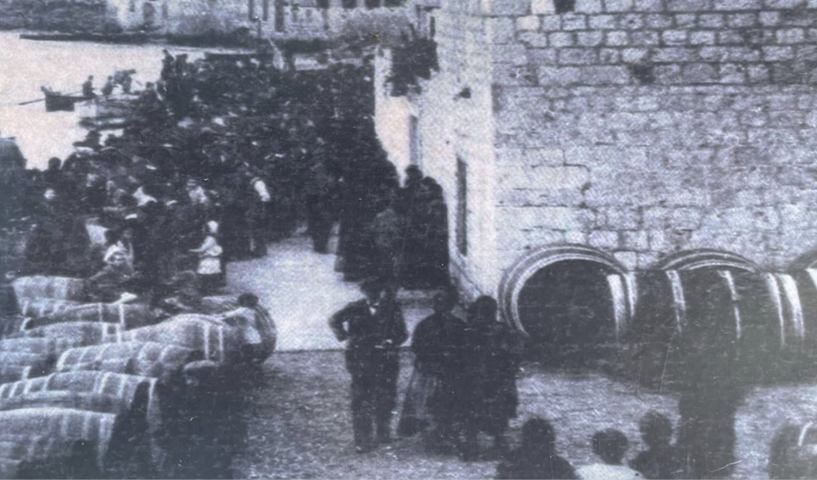
At one point Vis, with its ten factories, was producing 57 per cent of all the tinned fish of the Dalmatian coast. When communism collapsed the industry went too. Today, nothing of it is left due to ‘structural adjustments’ (the transition from communism to a free market economy), which were supposed to lead Croatia into a bright new future. All the factories were privatized, then went bankrupt, leaving workers without jobs.
Nowadays the only engine of the Croatian economy is tourism; the Croatian economy literally wouldn’t exist without it. According to the 2016 statistics, Croatia has the highest tourist GDP in Europe: at 18 per cent of GDP it is far ahead of Italy (2.2 per cent) and Spain (4.7 per cent). The flip side of this tourist success story is a devastated economy. Where once there were factories, today we have only services.
The most recent structural adjustment of the never-ending transi- tion from communism to capitalism is the Croatian conservative government’s law that effectively paved the way for the privatization of the country’s beaches. Back in the 1990s, after the dissolution of socialist Yugoslavia, everything in state or social ownership was pri- vatized, from factories to telecommunications, from the oil company to the banks.7 Given that there is barely anything left to privatize, it was just a matter of time before beaches and islands, the last public spaces, would become private as well. With 1,777 kilometres of coastline, 1,200 islands and around 2,000 beaches, Croatia is obvi- ously an almost infinite reservoir for something which might soon become Europe’s first private resort, turning the whole country into a sort of gated community.
A few years ago came a harbinger of this privatization. Tourists from Europe, mostly Swedes, started to descend on Vis every summer.
Some five or six hundred of them would come once a week in a fleet of thirty or forty sailing boats. Occupying the local beach bar, they would turn it into a typical western European disco, which of course is not free. The locals were unable to afford tickets to a beach which was until then free and public. Now the tourist boats come twice a week to Vis (which in a way is lucky, given that boats run daily to all the other Adriatic islands). Every day, more rubbish piles up.
Barba* Senko tells me that one of his friends, just back from watering olive trees in his drought-afflicted fields, came up with this idea for the tourists: instead of partying all night, each of them would be allocated an olive tree to tend. They could then buy all the olive oil which was produced from this tree and in return bask in the warm glow of their contribution to the sustainable development of the island. This is the future of tourism, he thinks.
Mostly, though, the people of Vis prefer to work their fields rather than dreaming of some new start-up. It’s hard, but at least for a few hours they are alone and content. They don’t want to be anyone’s sav- iours. And above all, they don’t want to be saved by their saviours.
The Fascist occupation
What the tourists and saviours don’t know is a simple fact: here a stone is not merely a stone. Every stone is a document of resistance.
Every house, now turned into a konoba, rakija-bar or boutique hotel, was once a shelter for refugees, a hospital, a theatre, a radio office. Fields were once transformed into airports and sports grounds (cricket was and is still being played here); devastated buildings were factories; caves were illegal printing offices.
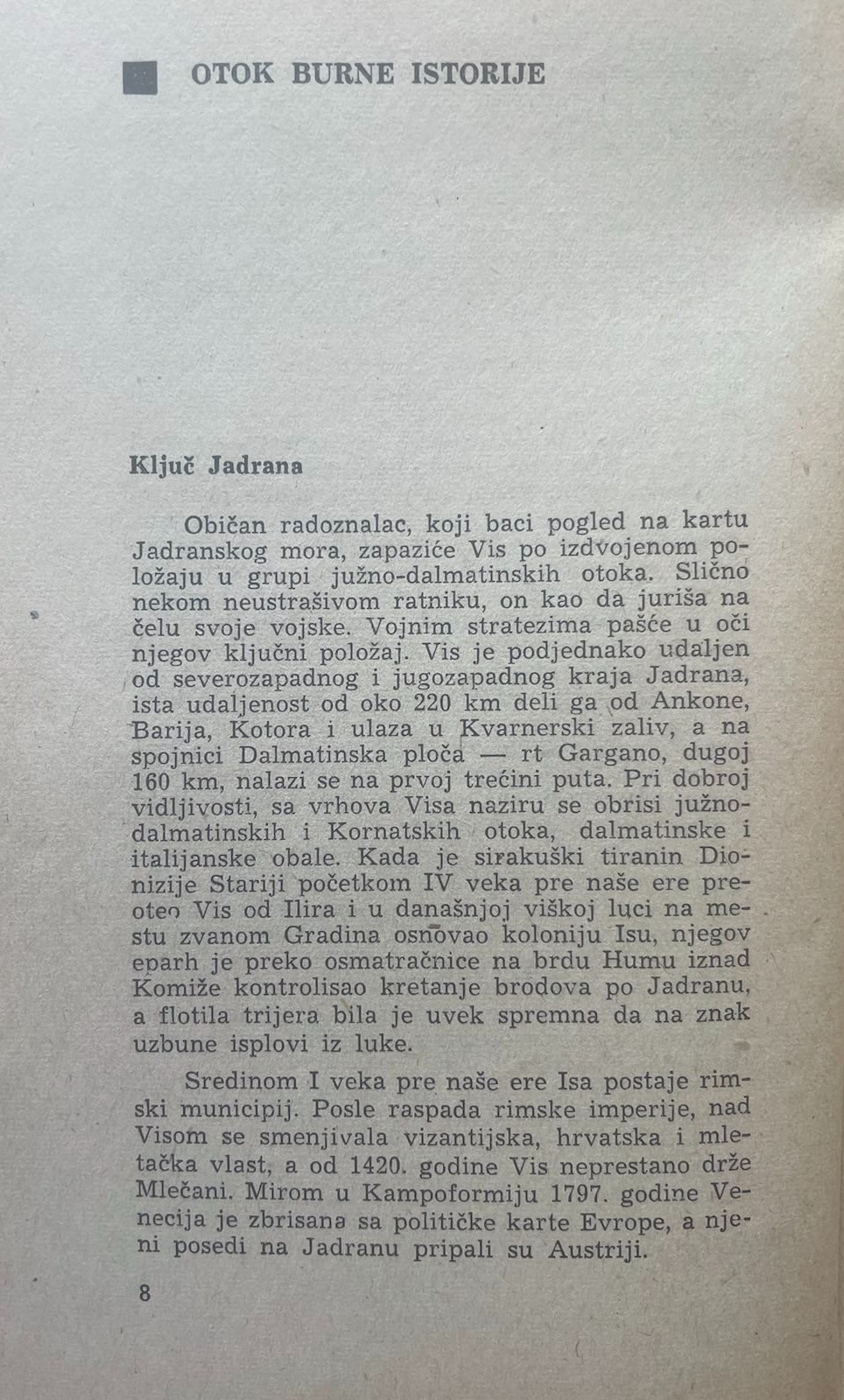
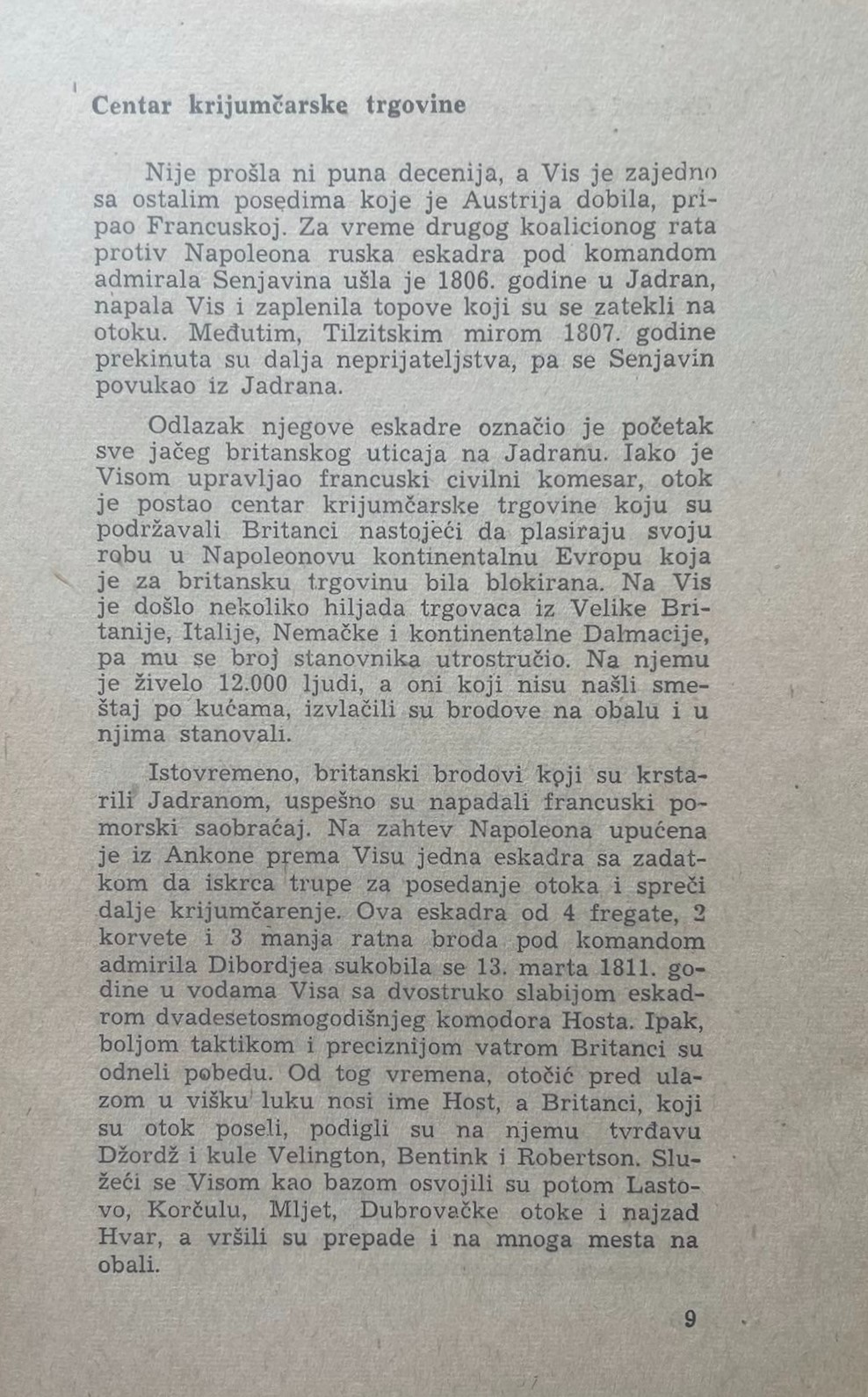
Long before the tourists, our small island in the Adriatic Sea was occupied for centuries. In the fourth century Bc, the Greek tyrant of Syracuse, Dionysius the Elder, founded the colony Issa on the island. Later it became an independent polis, with its own money and even its own colonies. It was a Roman colony until the collapse of the Roman
Empire, following which it was under the rule of the Republic of Ven- ice for three and a half centuries, until 1797. After being handed on to Napoleon and then the Kingdom of Italy – with Italian as the official language – the island was ruled by the Austrian Empire for just over a century. Following the First World War, it was briefly Italian again. Finally, in 1920 it was ceded to the Kingdom of Yugoslavia.
During the Second World War, the island was occupied again, this time by fascist Italy. As Italian troops landed on 30 April 1941, locals lit bonfires on prominent hills and all the villages were daubed with antifascist graffiti.8 Italian slogans were overwritten by local youths, who added Vederemo (‘we’ll see’) to the Italian Vinceremo (‘we will win’). The next day, the workers’ holiday of 1 May, people flooded onto the streets in celebration – and in what was evidently a protest against the occupiers.
The fascists immediately set about trying to suppress resistance. The Italian language was imposed in schools and public institutions; all Croatian signs were removed from municipal buildings and replaced by portraits of Mussolini and Italian flags. Now, the official greeting was the notorious raised arm ‘Roman’ greeting. Closing the island’s sports clubs and theatre groups, they opened their own: ‘Fascio’ for adults, ‘Piccole’ for the youth, ‘Ballila’ for children and ‘Dopolavoro’ (a fam- ous ideology and practice invented by Mussolini back in 1926) for the post-work leisure of adults.
In a misperception common since time immemorial, what the occupiers didn’t understand was that the local population would rather starve or die than live and serve under fascist occupation – or any other occupation, come to that.
As the Italians and Germans occupied most of the disintegrating Kingdom of Yugoslavia, many of Vis’s young people left to join the Partisan resistance in the mountains and forests of Bosnia, Serbia, Croatia, Slovenia and Montenegro, while the rest of the population resisted the occupiers in all possible ways.
Workers in the island’s sardine-canning factories, whose produce was now exported back to fascist Italy’s armies, carried out acts of sabotage and subversion, from go slow strikes to using faulty pack- aging, and producing batches without preserving oil, or with the oil replaced by chemicals. The seasonal workers in the vineyards went on strike, prompting the rest of the island’s seasonal workers to down tools as well.
The resistance took many forms. When, occasionally, the mines anchored in the sea came free from their moorings and were blown onto the island, fishermen would capture and dismantle them, turn- ing them into hand grenades for the Partisan resistance movement.
There were other, similarly dangerous acts: on the anniversary of the October Revolution in 1942 a young Partisan called Nikola ‘Top’ Marinković, son of a poor fisherman, climbed to the top of the 50- metre-high bell tower of Komiža church and unfurled a red flag with the hammer and sickle. Although the young man managed to escape the ensuing volley of rifle fire from furious Italian troops, he was later killed. His act of courage was more than just a symbolic gesture of defiance. It was a sign from the future, a sign that liberation could be achieved if the other locals were prepared to show similar cour- age. And they did. Because courage is contagious.
With the resistance continuing, the Italian navy blockaded the island and started rounding up suspects. When people began to flee the villages and towns for the fields, hills and forests, the Italian occupiers imposed a general ban on movement, putting the entire population under house arrest. They detained ten suspected Partisans and shot them next to the church, while the locals, under house arrest, watched through the half-open windows. But this couldn’t – and didn’t – stop the resistance movement either.
When Mussolini’s regime fell on 25 July 1943, the island’s inhabit- ants started organizing for the final liberation. All over Vis, bonfires were lit, people flooded the beaches, singing Partisan songs. They took the island back.
The Liberation of the island
Today, as the last participants in this historic struggle pass away and its memory fades, we reassure ourselves with the old mantra ‘It can’t hap- pen here’, or just indifferently look on while Europe is being occupied again by new forms of fascism or other dystopian nightmares under a name yet to come. On the one hand, Europe is already occupied by
powerful financial institutions, banks and corporations which know no borders. Countries on the continent’s periphery – Greece, Spain, Croatia – were the first victims of this ‘shock therapy’ (austerity, privati- zations), but now the boomerang is returning to the centre: the UK, France, Germany, with new labour laws and market deregulation, including the privatization of healthcare, education and public spaces. The Gilets jaunes (‘Yellow Vests’) protests that hit France and Europe in late 2018 were a reaction to that, not to a simple increase in carbon tax; it was the victims of austerity who were protesting. On the other hand, many European states are either witnessing a rise of extremist and popu- list movements – the Alternative für Deutschland in Germany; France’s Marine Le Pen – or a shift to radical right and xenophobic governments (Italy, Austria), or have already been transformed into semi-authoritarian states with new laws and changed constitutions (Hungary, Poland). New borders and walls are being erected, while the EU army sends patrols to its outer borders with Croatia and Albania, and to Mediterranean countries such as Libya where the refugee problem is being ‘outsourced’.
On top of this, in June 2018 the hardline interior ministers of Austria, Germany and Italy formed what the Austrian Chancellor Sebastian Kurz called an ‘Axis of the willing’ to combat illegal immi- gration into the EU. His choice of phrase, coincidentally or otherwise, carries much darker historical undertones: a previous ‘Axis’ between precisely those three countries occupied Europe in the Second World War, with dire consequences for the whole continent and its people.
The question is not so much what the future of Europe will look like; it’s more traumatic than that. What if the future is already here? What if Donald Trump’s (or Poland’s, Hungary’s, Austria’s) evangelic fundamentalism will lead us directly into the science-fiction autoc- racy of Margaret Atwood’s The Handmaid’s Tale? What if Europe’s crisis will bring us into the nightmare of Alfonso Cuaron’s dystopian movie The Children of Men (2006), in which the ‘state of exception’ (civil war, refugees in cages, terrorist attacks) has been normalized?
It is precisely in this context of what might be described as the begin- ning of a new ‘occupation’ of Europe that the story of Vis, a story from the past, resonates with potential for our future.
What the period of fascist occupation of Vis shows is that resist- ance can acquire many forms and even a small number of determined
people on a remote and isolated island can defeat a numerically and technologically superior enemy. The period of liberation, meanwhile, shows that the flip side of resistance is – and must always be – the progressive, constructive part. Resistance to the old world and build- ing a new one have to go hand in hand, simultaneously. A determined ‘No’ has to be followed by an even more determined ‘Yes’.
Vis’s history embodies this perfectly.
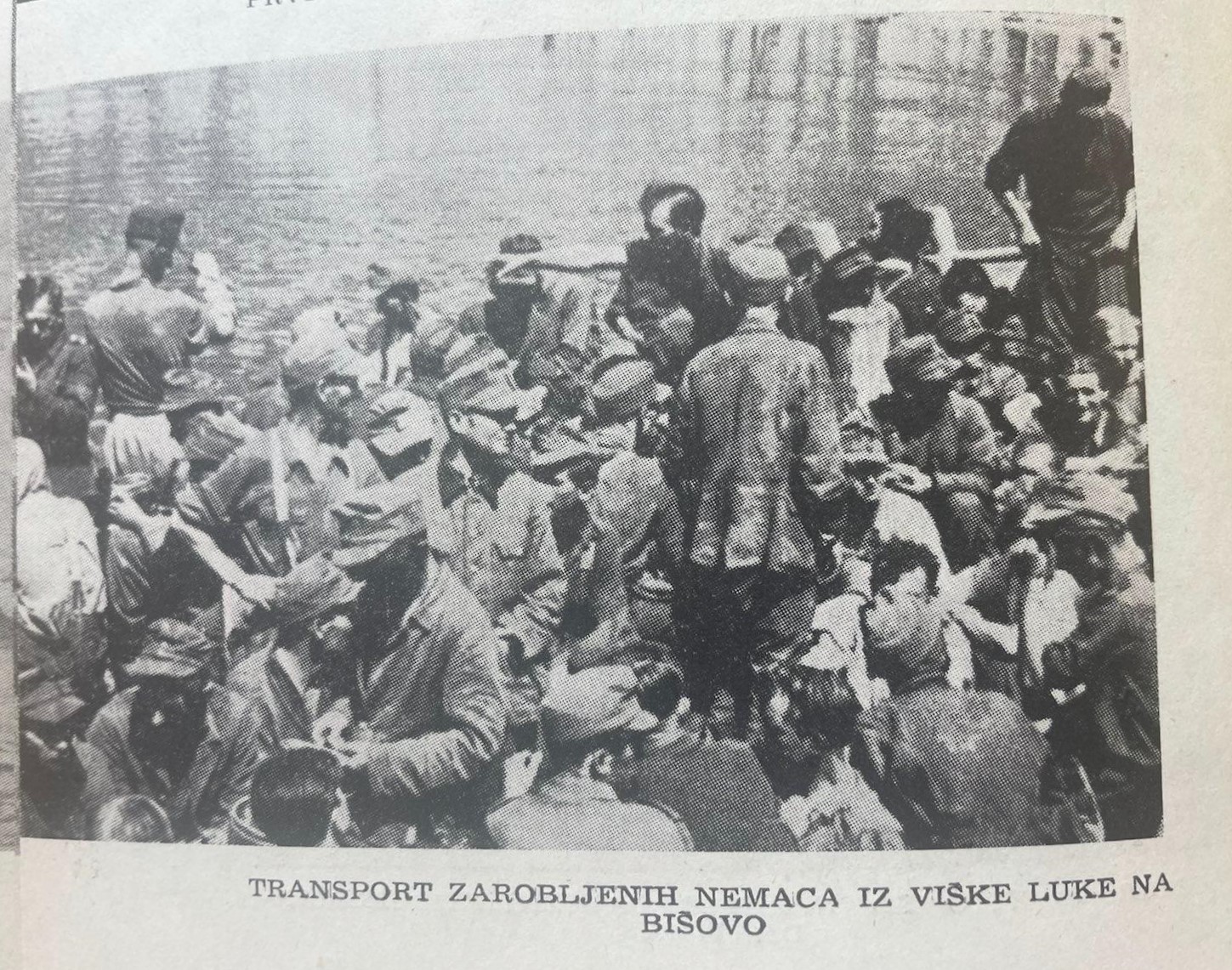
As soon as the local population liberated the island from the fascist occupation, the people returned to their villages, fields and ships. As the rules and laws of the fascist regime were abolished, people started collectively rebuilding what was destroyed, they returned to the fields and stored carob, figs and grapes for the struggle that would follow: the final liberation and foundation of Yugoslavia, whose starting point was Vis in 1944. When the island was liberated there was little money. It was a barter economy: fresh fish for meat, or eggs for bread. Cigarettes became available only when the Partisans broke into German warehouses on the mainland.
And, as in the time of occupation, necessity became the mother of invention. When Vis, then the only liberated Adriatic island, was bombed by the Germans, the local fishermen watched where the bombs fell. If one exploded in the sea, as soon as the coast was clear, they would rush to collect the fish: massive catches of up to 100 kilos per explosion. The bombing was turned into an opportunity to feed the local population and its resistance movement.
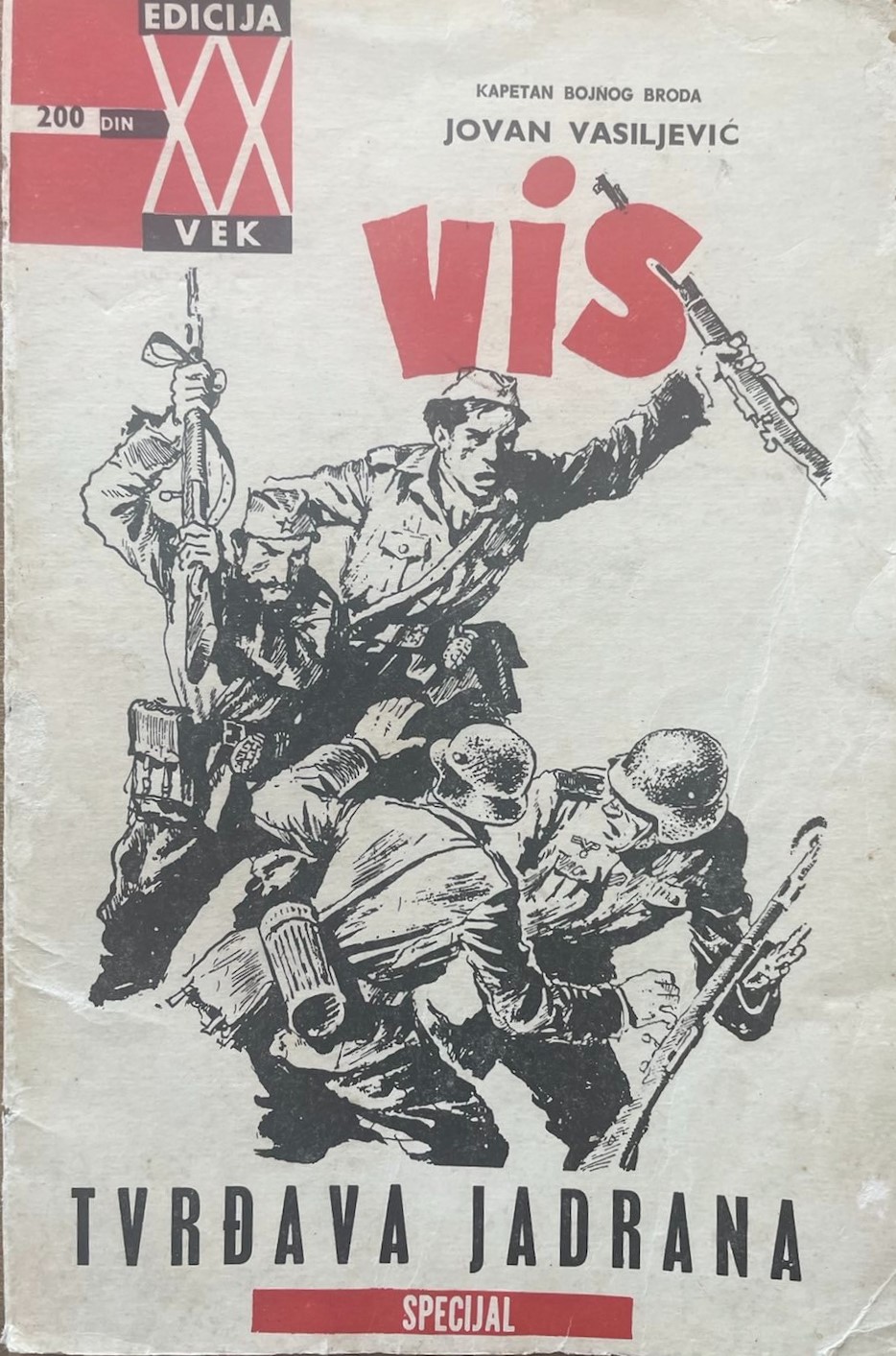
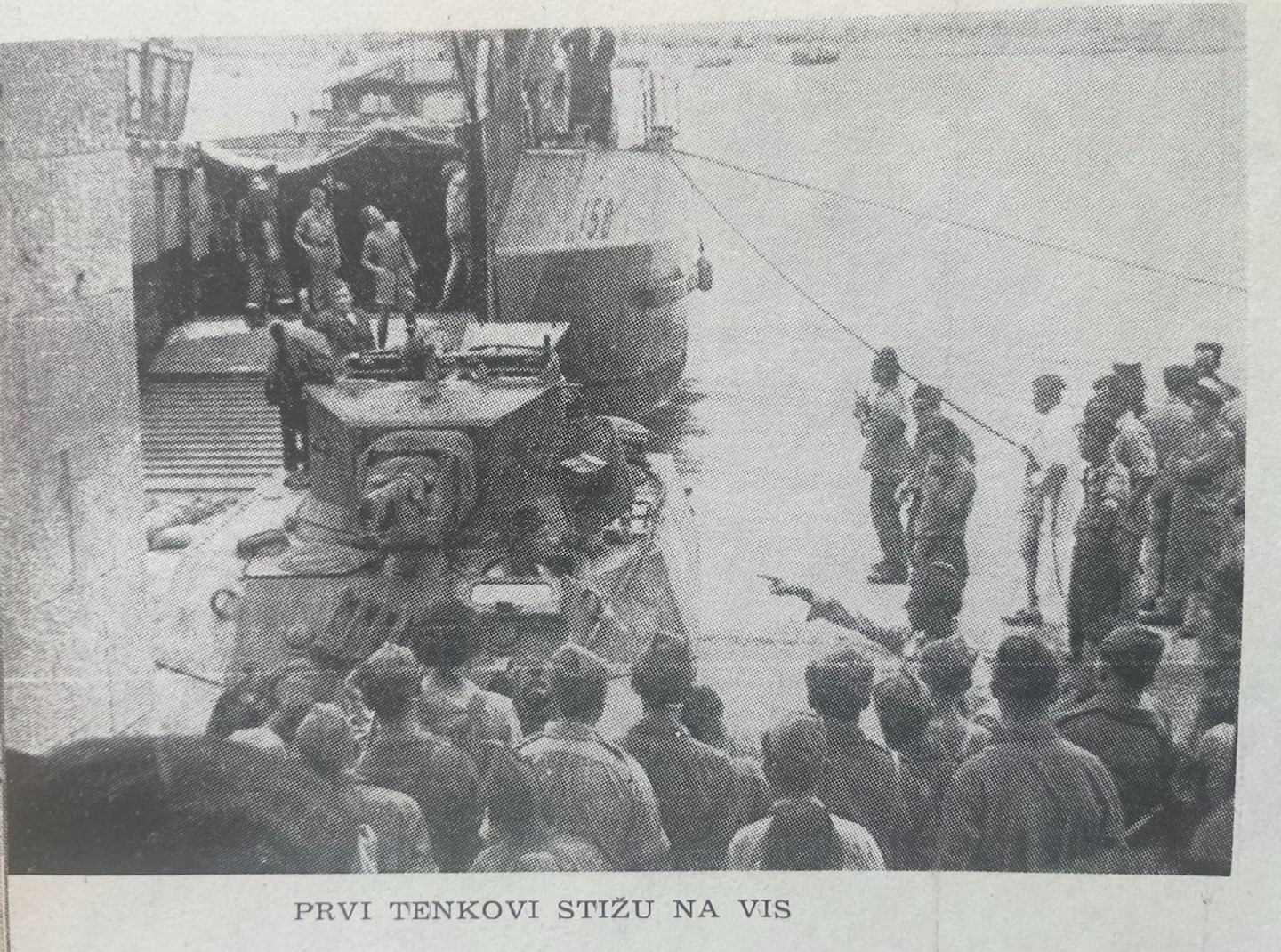
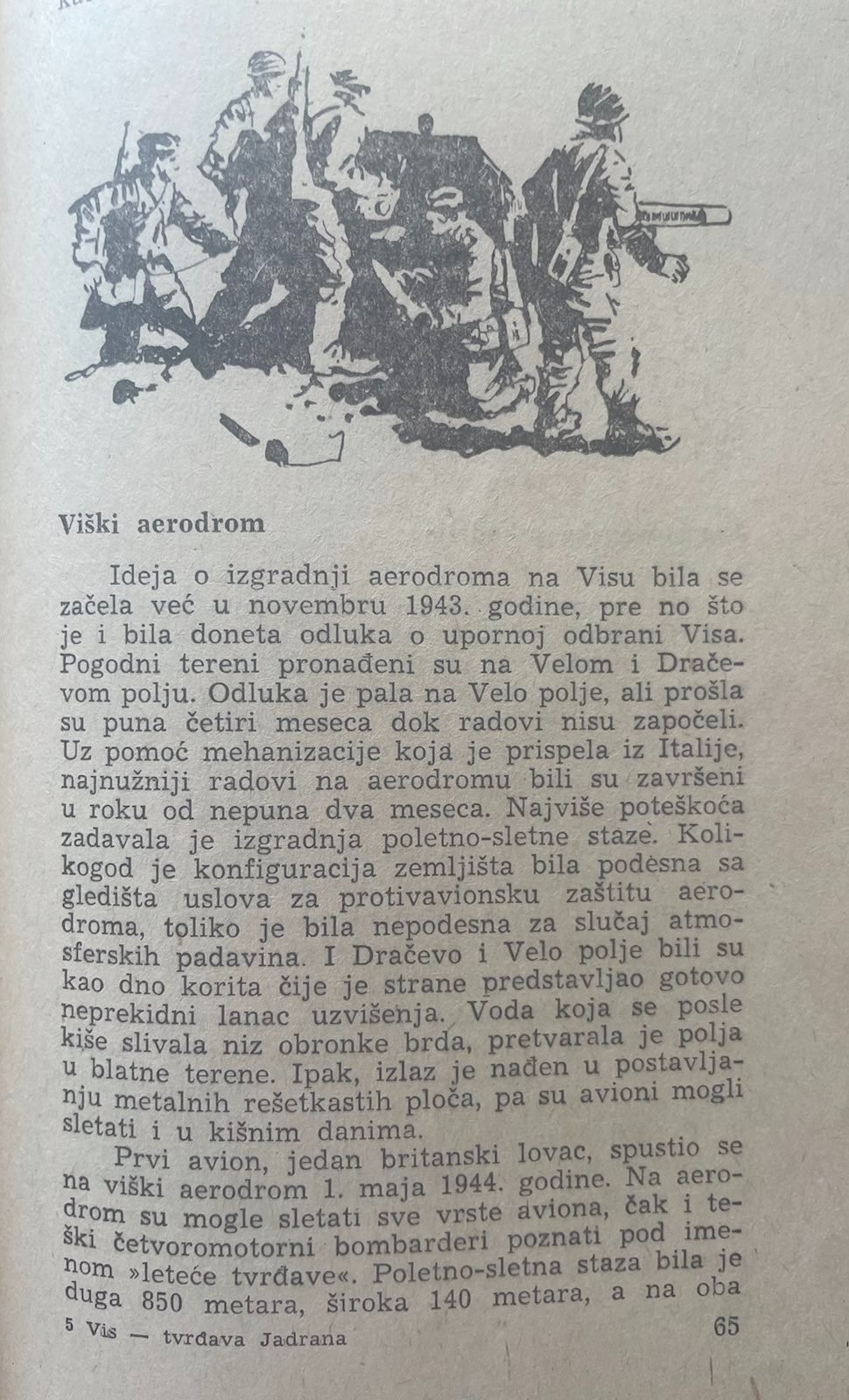
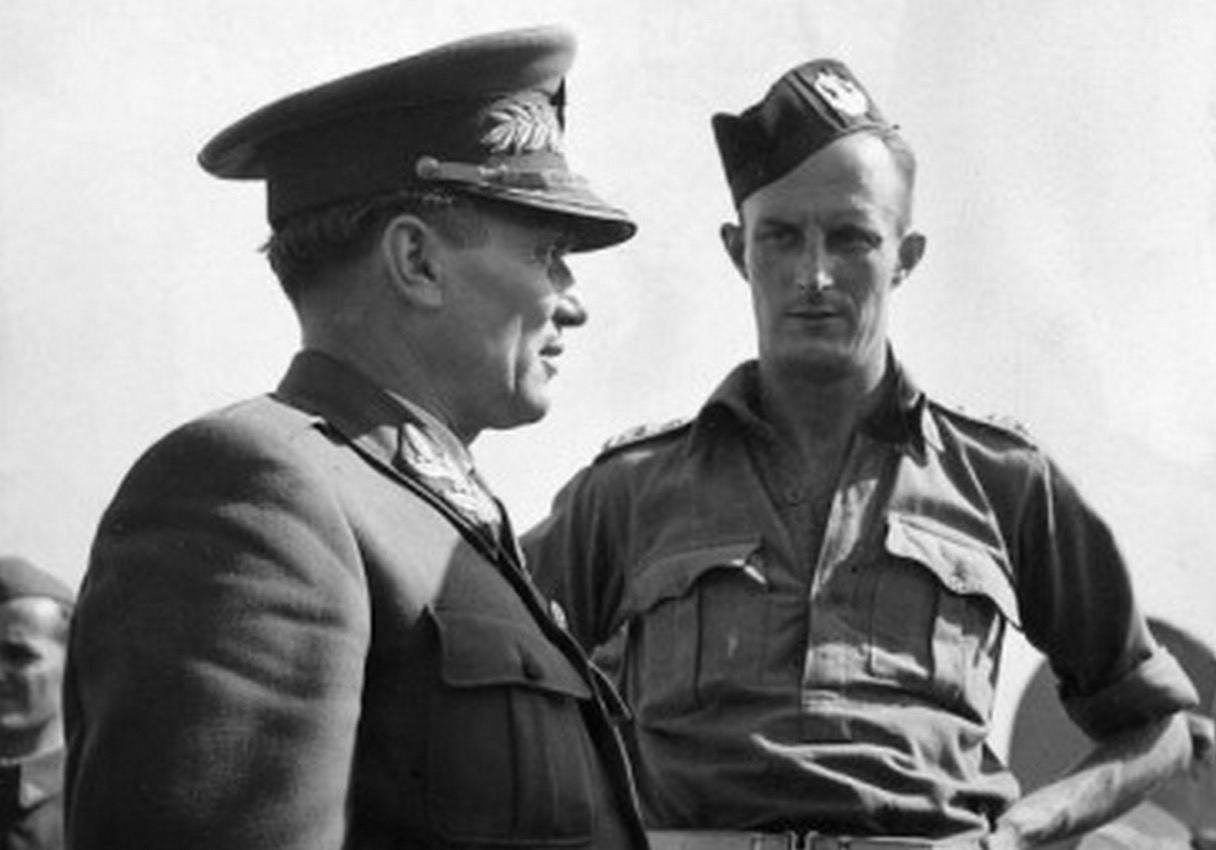
In the last months of 1943, the British arrived, but even before then, Allied pilots operating out of Italian bases against Yugoslav, Austrian or Romanian targets had Vis inscribed in red on their flight maps: a friendly island British or American pilots could aim for in the event of an emergency. The British and the islanders set about trans- forming Vis into a frontline base, clearing 60 hectares of vineyards so that an airfield could be built on a site in the hills. Today, the airport is once again covered in vines, but the shape of the fields and the sur- rounding stones tell of the island’s once-strategic importance.
The real revolution in these months, however, was the construction of a new society.
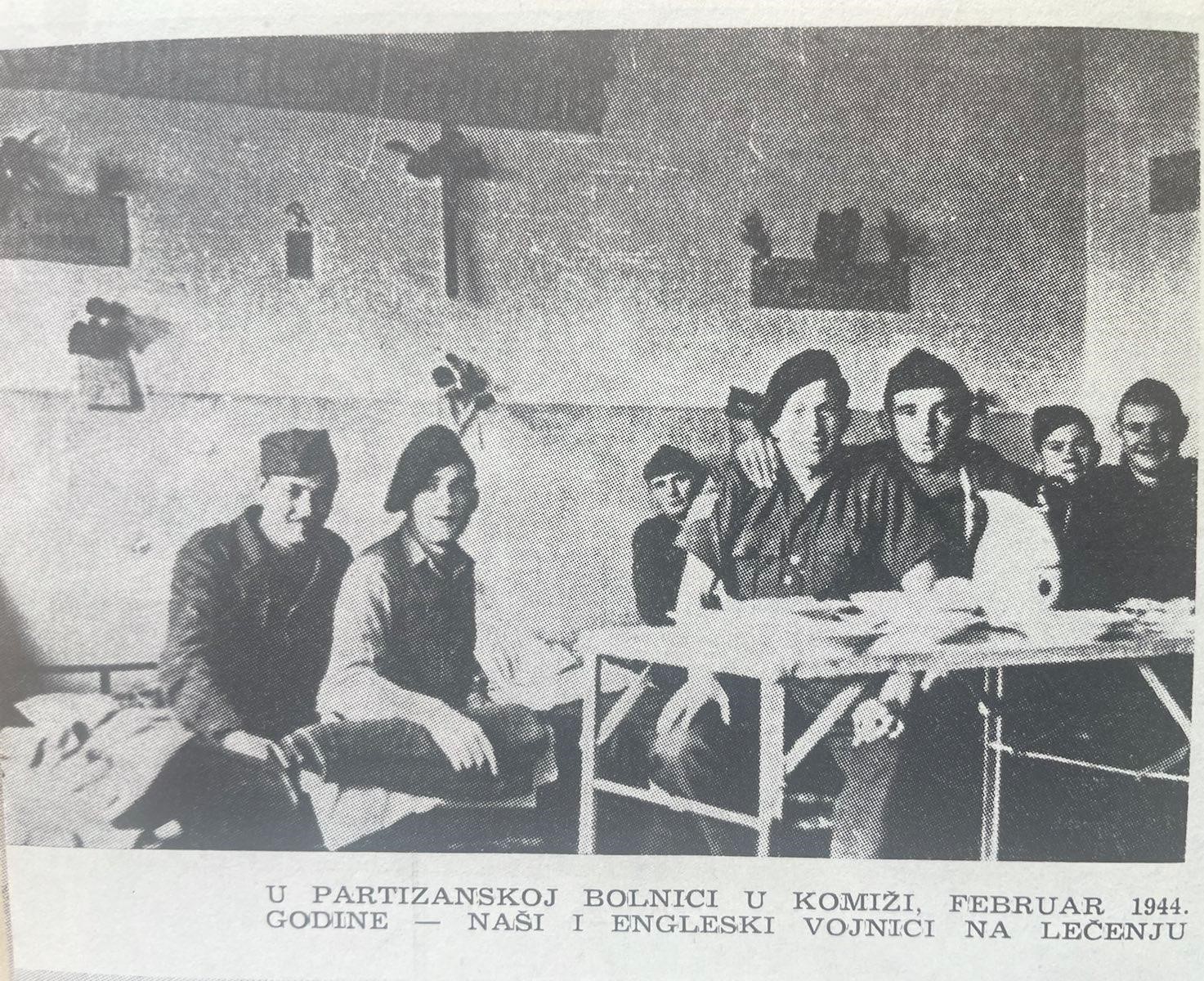
As a number of British spies, doctors and RAF officers would later recall, the biggest achievement of the period of liberation was that of self-government: all aspects of life were organized locally by the villagers themselves. A people’s committee was in charge of the economy and welfare of the whole community. What was more, every other village or town in the free territory of Yugoslavia would come to be organized along this model; the resistance movement, on the other hand, was led centrally. If we ever had the necessary dialec- tics between what activists today call ‘horizontality’ and ‘verticality’, it was here: democracy at its best.
The resistance not only radically transformed the economy but the very core of society. In 1944 an RAF officer described the island to Denis Johnston. ‘You will like it here,’ he said.
It is the most incredible operation in first rows of struggle which I have ever seen. It is a strange army – men, women fight, live and work together. Kids, boys between 10 and 12, armed by hand grenades and rifles, work as couriers. More precise, they walk through the enemy lines, carrying messages from one partisan headquarters to the other. Men and women share responsibilities and duties equally – on the basis of complete equality. Discipline is strong. Flirting is extremely undesirable. Gender differences are, seems so, put ad acta until the war is finished. Some of the partisan women are incredibly handsome. They have an enchanting smile which puts a spell on you. But you can’t misinterpret their cheerful Zdravo. They greet you as an ally, not as a potential boyfriend. After all, look at their equipment – girls with braids have machine guns, bayonets at their arms and two bombs, fastened to the strap. They are always armed, even when they dance.
The officer clearly stared too long. He recalled a sharply humorous put-down from one of the partisan women, Katja: ‘You Englishmen, you are so funny, you never look the girl in her eyes, you only look at her “bombs”.’
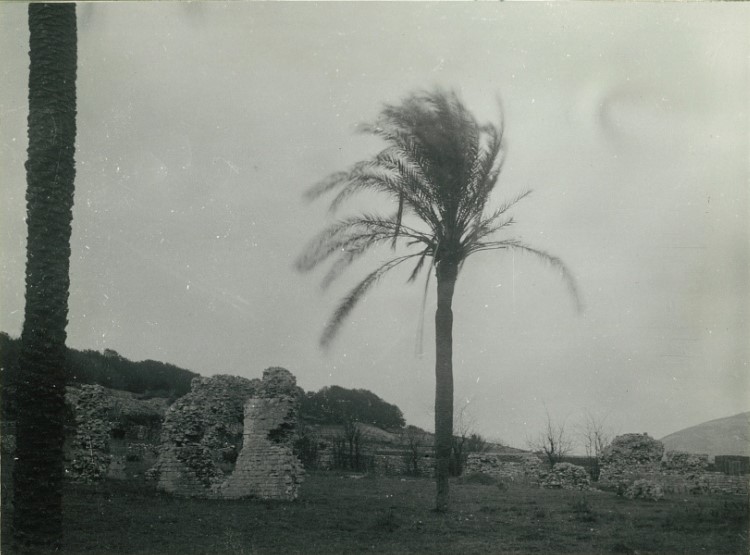
In the early 20th century, a Danish architect, archaeologist, and art historian visited the island of Vis. Ejnar Aksel Petersen Dyggve (1887–1961) spent 40 years of his life studying Dalmatian historical monuments and sites. His contribution is still appreciated and valued, and the same research material that was given to the city of Split was later digitalized. Look through the gallery to see some of the very first photographs ever taken of the archaelogical site of Issa.
Komiža 1930. godine kada je Tin Ujević napisao ovaj tekst
Nalazim se na jadranskim Filipinima. Američani ne mogu naći ljepšu vedrinu na Havajima nego ja ovdje. Nalazim se u dubokom srcu dubokoga mora. Ovamo su me odista vile donijele, u nepoznatom nadnevku kada je globus zadrijemao i nitko nije mogao da me primijeti. Ja sam u carstvu pustolovina, u čudu događaja. Konačno sam doživio da je svijet zaboravio. I postao sam vlasnik jednog otajstva. Otputovao sam ravno prema pravoj slobodi, na jadranski front, na domaku Monte Gargana. I našao sam prije spontan, bolji nego da predstavljam svjetski PEN-club. Badava je to govoriti: Dalmacija, Jadran. Nego ovamo treba dohrliti, na Vis, kamo je stiglo dosta malo Čehoslovaka, i još dalje, na Biševo, na Svetog Andriju, na Palagruž. Poslije toliko godina trome sjedećivosti konačno me zahvatio talas epopeje. I to tako neodoljivo da će sada sva srca sa mnom zatreperiti, da će me svaka ljepota zavoljeti i blagosloviti.
Ležim na krevetu i kroz prozor preko drvenoga zaslona vidim modri trokut neba koji mi se sprva čini skut sušene oprave neke imaginarne dame koju motrim s osjećajem erotičnog fetišizma, a gotovo i religiozno. Ja znam da je gore vasiona, puna simbolskih zbivanja, a ovo je plava koprena za koju se grčevito hvatam. Ne, danas više nisam brodolomac. Život biva san, ali sladak, ljubak i raskošan san.
Trenutno sam možda na jednom ostrvu koje nije zabilježeno na geografskim kartama, te ni sam ne znam gdje je, pošto sam prethodno s motornim čamcem dodirnuo talijansku pustu obalu. Jedan mi improvizirani pilot donosi moju zračnu poštu. Šalim se s ovim novim (Charlesom) Lindberghom koji je čak ovamo doletio:
– Sportski se šampioni, premda obasuti pohvalama, i ukoliko samo ne dobiju nagrade za pobijene rekorde, nažalost smatraju krepkim mangupima koji su pripravni da sasvim badava, za koje babe brašno, polome kosti. No na moru je sigurnije.
Čitam pisma. Pišu mi filmske dive, markize, krojačice, kćeri finansijskih velmoža, studentice, Missove, nagrađene elegancije, razni narod. Mnogo komplimenata, mnogo lijepih riječi, mnogo uzdaha, ali na uzvrat nijedna doznačnica. Što je već teže, jedna me strahovito bogata Američanka moli da je povedem pred oltar. A i ona je ljepotica da zavrti mozgom. Nisam se nikada smatrao baš lijep, neki Antinous, pa ne razumijem kako su me odjedared tolike žene zavoljele, čak i dame, i to širom svijeta, čak do Hollywooda. Mora da moja jadranska propaganda riječju, kretanjem i spisom ima uspjeha. A ma nekako nisam u eri pisanja stihova za albume, a i na poštu ne kratim ići iz lijenosti. Srce, šaljem ti hladnu dopisnicu. Neka svima mjesto mene moj zračni povjerenik razdijeli mnogo cjelova. Ja ću ostati ovdje u polipskoj samoći da natapam podmorske bašte opletene oko koralnih hridina gdje se neizrecivi biseri talože u bolesne, ranjene školjke.
Sad ovdje kraljujem, a vjeruju da nisam moć da obaram otoke u umiljate pučine, kao da sam sâm Vulkan, ili posjednik kompleksa Bimini. Neću da vam kažem kojega divnog preliva bijaše svila mora kada smo se primakli ratištu Tegetthoffa iz godine 1866.[1] I sada tu strši pramac jednoga talijanskoga parobroda koji je još onomad tovario kamen i ekrazit, ali se umorna momčad napila, zaspala i u mrkloj noći udarila o liticu.
Ovi ribari žive u beskonačnoj i neiskazanoj poeziji na kojoj im svi sretnici moraju zavidjeti, a ja još i više. Mislim da bi siromašni književnici i umjetnici problem umjetnosti mogli riješiti ispomažući se ribarstvom kada bi bilo dobrih ljudi da im kupe čamac, mreže, udice, parangale i osti. Inače, trebalo bi osnovati književno-ribarsku Ligu za samopomoć. Na to sam već više puta pomišljao, tako i prošle zime, pa ipak ne mogoh da spojim kraj s krajem i tako riješim problem najslobodnijeg opstanka.
Ovdje sam prvo našao slikara Foretića koji me je, šepesajući u dosadi svagdašnjice, sjetio na ulicu Delambre, u kojoj sam i sâm neko vrijeme stanovao u hotelu „Zürich“, gdje se našao s Arhipenkom i Zadkinom. Onda Majakovskoga, koji mi na odlasku darova flašicu strahovite votke koje je utisak gori nego kojeg eksploziva. Onda napokon jednoga mladoga slikara koji, nezavisniji nego Ciganin pod svojom čergicom, živi među ribarima na Svetom Andriji. Divna romantika, ovaj put. Instalirali smo i bežičnu postaju, a već je prije (Ljubomir) Micić iz Pariza pisao da „moje kuđenje u J. P.[2] više cijeni nego tuđe pohvale“. Sjedio sam i s elitom mjesne inteligencije, a župni ured imao je blagohotnost da mi pokloni tri knjige (štampane 1875, 83. i 85. u Zadru) komiškoga filozofa Antuna Petrića (1829–1908). Njegovi poštovatelji i rođaci obećali su i podatke o njemu, naročito dijelove dopisivanja. Govore da je ovaj svećenik bio samotar, a svoj je sokratizam dotle dotjerao da je misio kod svoje kuće i u gotovom plaćao honorar sakupljenim vjernicima.
Dakako da sam se raspitao za ribu. Ovo je lovište jedinstveno u Dalmaciji, svaki dan vagoni divne ribe, te je temelj otočkog blagostanja. Okusio sam već domaćega zubatca, skuše i sardine iz Mardešićeve tvornice, a ovi stanovnici mora otvorili su mi apetit. Nisam zaboravio da se raspitam za vino koje je čuveno, ali izgleda da treba sporazuma da se ovdje dobije u kafani, pošto ga, nominalno bar, ako ne realno, jer ga toliko i nema, piju cijele oblasti i pokrajine, da ne kažem zemlje. Našao sam i takvih koji kažu da ne znaju što je dingač (u Beogradu znatno popularniji), a dakako da je bilo razgovora i o blatini, žilavici i drugim slavnim proizvodima vinarstva.
Okupah duh i tijelo u jednoj divnoj, milosrdnoj plaveti, jer odista sô je važnija za čovjeka nego za haringe, i osunčah se za cijelu zimu, na samom izmaku ljeta. U moru sam čak nagazio na ježa koji mi je nekoliko bodljika ostavio u asketskoj peti, a kao pozdrav mora dodirnula me je jedna velika sluzovača koju nisam mario izvlačiti na suho. Neka biće živi! Morski psi se nisu pojavili, mada je signalizirano da im je izdata uputa da paze dokle ću doplivati. Mislim da će dječica koja se ovdje kupaju biti zdrava kao kremen, žilava i imati energije u životu; u najmanju ruku bit će ljudi koji cijene vodu i konsekutni učinak pranja u čistoj i živoj vodi.
Napokon sam lično u jednoj oplakanoj, okupanoj pustari reperirao nemoguću stvar, sreću. Bio je to bijeg iz svih tlačenja stvarnosti. Ovdje sam poprimio u se dušu svih beskonačnih mora na kojima nisam nikada povraćao, i tko ne bi htio da živi ovako u prirodi, u jednoj oceanskoj, otahitskoj sreći? Rekoh: Vis mi je miliji nego cijeli Jadran, a Sveti Andrija mi je miliji čak i od Visa. K meni doploviše atlantske i pacifičke vode, a ne samo Jadran. A ta Hadrija, rekoh slušačima, dolazi od dravidske riječi „Hodru“, što na dravidskom znači Ponor (abyssus), jer je u pradrevna vremena ovdje voda odista provalila i potopila obitavane i obrađene predjele.
Jedna pitoma Sušačanka, koja je vidjela Rab i Crikvenicu, priča mi da je ovdje krajolik „divlji“, ali nalazim da bih se morao poslužiti mnogo izbrušenijim, slikanim rječnikom za ovaj gledani, nijemi osjećaj. Tako je divan da se ne bih mario vratiti u civilizaciju. Ribari, ribari, ribari! Cijeli dio mjesta miriše na srdelu i srdelino ulje, a uz jednu obalnu padinu gomila limenih kutija. Izgubio sam se, prešao u čistu fantastiku. Jednoga putnika ovo sjeća na Bretagnu (Bretanja), ali mislim da je Bretagna drugačija, sumornija. Zaronio sam u sakritu vodu da izronim s bisernim kapitalom.
(1930)
Jadranska pošta, VI, br. 197, Split, 28. VIII 1930 (napisano 16. VIII).Tin Ujević, Izabrana djela, Knjiga treća, Proza, str. 167–170, Beograd, 1964. Izdavači: Naprijed (Zagreb), Prosveta (Beograd), Svjetlost (Sarajevo).Objavljeno 5. VII 2014.